


0514 lead management strategies powerpoint presentation





Try Before you Buy Download Free Sample Product
 Impress Your
 Audience
 100%
100% Editable
 Save Hours
 of Time


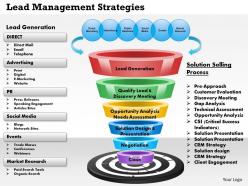
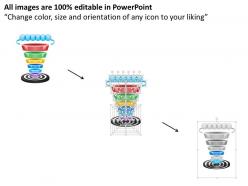
Manage your company leads in a systematic and structured manner with the help of our 0514 lead management strategies PowerPoint presentation. Leads are the lifeline of any business. Lead formulation and retention strategies require intensive homework. In the available lead management strategies PPT PowerPoint presentation example our team of experts have worked out a design which is aesthetically sound and professionally proficient. Over here, experts have outlined the approaches which will help in designing the lead generation strategies through direct strategies, advertising, PR, social media, events and market research. Here we also have provided you with a funnel diagram which narrows down the process from generating leads to closing leads. The third segment of the lead management strategies PowerPoint presentation slide background provides the strategies for the selling process. Therefore download the presentation by clicking on the download link provided below and save the presentation for further customization and presentation. Foster a friendly environment with our 0514 Lead Management Strategies Powerpoint Presentation. Settle disputes amicably.
People who downloaded this PowerPoint presentation also viewed the following :
0514 lead management strategies powerpoint presentation with all 5 slides:
Our 0514 Lead Management Strategies Powerpoint Presentation are an excellent bonus. Get a feeling of good fortune.
FAQs for 0514 lead management
So you need four main things: capturing leads, scoring them, nurturing, and tracking everything. Multiple touchpoints work best - landing pages, forms, social stuff. Score leads by engagement so you're not chasing people who'll never buy. Automated email sequences are clutch, but make them valuable, not salesy garbage. Most people totally mess up the tracking part though. You've got to watch conversion rates at every step or you're flying blind. Oh and start by figuring out where your current setup sucks the most first.
Honestly, automation is a game changer for lead management. It handles all the boring repetitive tasks you hate doing anyway. Lead scoring happens automatically so you know which prospects are actually worth your time. Email sequences fire off based on what people do on your site, and leads get routed to the right sales person without you lifting a finger. The tracking is insane too - every website visit, email open, download gets logged. No more leads slipping through the cracks because follow-ups run themselves. I'd say start with just automating lead scoring first, then add more stuff once you get the hang of it.
Honestly, just focus on four things to know if your lead stuff is working. How many leads actually become customers? That's your conversion rate. Response time matters too - answer fast or they'll ghost you. I learned this the hard way lol. Quality beats quantity every time, so don't get excited about tons of garbage leads. Also track what you're spending per lead vs what customers are worth long-term. Pick two of these to start with though. Trying to measure everything at once is overwhelming and you won't stick with it.
Honestly, you're probably treating all your leads the same when they're totally different people. Group them by stuff like industry or company size first. Then write messages that actually hit their specific problems. I learned this the hard way - it's like night and day compared to sending generic emails to everyone. Your conversion rates will jump once you start doing this. Pick maybe 2-3 segments based on your best customers. Create different follow-up sequences for each group. Way more work upfront, but it's worth it.
Okay so lead scoring is basically ranking your prospects automatically - you give points for stuff like their job title, company size, how much they browse your site, whether they open emails, whatever shows they might actually buy. Higher scores mean they're hotter leads. Your sales people can focus on the good ones instead of wasting time on tire-kickers (been there, done that). I'd start with maybe 3 criteria tops. Don't overthink it at first - you'll figure out what actually matters as you go.
Honestly, CRM systems are game-changers for lead tracking - they handle all the boring stuff automatically. You can score leads based on email opens and site visits without lifting a finger. The follow-up sequences run themselves too. What I love most? Nothing gets lost anymore since it's all in one place. The reporting shows you which lead sources actually work (some will surprise you). Short sentences work. Longer ones keep things flowing naturally when you're explaining complex processes. Start by figuring out your current process, then automate the easiest parts first.
Okay so first thing - map out where your leads actually are in the funnel. Awareness, consideration, decision stage, whatever. Then build email sequences that match each stage. Don't just blast sales pitches right away (biggest mistake I see). Educational stuff works way better early on. Case studies and testimonials come later. Set up lead scoring so you know who's actually hot vs just window shopping. Retargeting ads help too but honestly that's secondary. The timing thing is huge - stay consistent but don't be annoying about it. Start by finding your biggest gaps first.
So basically, you're using content to pull people in and then keep them engaged. Blog posts, webinars, that kind of stuff draws them to you initially. The smart move is putting your best content - like detailed guides or whatever - behind a simple form so you actually capture their contact info. Here's where it gets interesting though: someone downloading your pricing sheet is obviously way more serious than someone just browsing blog posts, you know? That's gold for segmenting your leads. From there, you send different follow-up content based on where they seem to be in their buying process. I mean, it's pretty straightforward once you map out what content fits each stage.
Ugh, timing is everything with lead management. Don't wait a week to call someone back - that's just stupid. But also don't blow up their phone the second they show interest. Track your response times and actually stick to them. Another thing - stop treating every lead like they're the same person. Qualify them first, figure out what they actually need. Oh and for the love of god, measure what's working! I see so many people just throwing stuff at the wall hoping something sticks. Set up some basic scoring system so you're not just guessing why your conversion rates are trash.
Honestly, feedback loops are a game changer - they show you what's actually moving the needle instead of throwing stuff at the wall. Track how your leads flow through the pipeline, then adjust based on real data. Like if webinar leads convert at 20% but cold emails only hit 3%, obviously you'd double down on webinars. The magic happens when marketing and sales actually talk to each other about which sources bring in quality vs just random tire-kickers. I'd start with weekly data reviews - but here's the thing, you gotta actually act on what you find or it's pointless.
Honestly, shared lead scoring is where you'll see the biggest difference. Both teams need to agree on what actually counts as a qualified lead - otherwise marketing passes garbage and sales rejects everything. Weekly check-ins beat those awful quarterly meetings any day. Set up dashboards in your CRM so everyone sees lead movement in real-time. Clear follow-up timelines matter too. I'd start with just one metric you both actually care about, then expand. The trick is making lead status visible to everyone instead of keeping it in silos.
So basically, customer journey mapping shows you exactly where your prospects are getting stuck or bailing out. You can spot those moments and jump in with the right message - like sending educational stuff to people just browsing versus pushing demos on someone who's actually ready to buy. Honestly, it beats randomly reaching out and hoping for the best. Track how your current leads move through your process first. Then figure out the best spots to follow up with emails or calls. It's like having GPS instead of wandering around lost, you know?
Honestly, most people bail way too early and lose out on solid leads. Hit them back within 24 hours, then space it out - day 3, week 1, week 2, monthly after that. Here's the thing though: don't just send "checking in" messages because those are annoying. Each follow-up needs to actually help them - share something useful, industry news, or a case study that fits their situation. I'd personalize based on whatever problems you talked about initially. Track what's working so you're not just throwing stuff at the wall. Stick to your schedule religiously.
Honestly, just pick one platform first - don't spread yourself too thin. Post stuff that actually helps people instead of constant sales pitches (we've all done it though, no shame). LinkedIn's your best bet for B2B, while Instagram and Facebook work better for regular consumers. Engage in comments and DMs like you're talking to real humans. Oh, and use free guides or webinars to grab emails - that's where the magic happens. Track which platform brings you the good leads, not just random followers. Once you nail one platform, then think about expanding.
Dude, AI is completely changing lead scoring - these algorithms are getting freaky accurate at predicting who'll actually buy. Chatbots now handle the initial screening 24/7, which is honestly pretty sweet. There's also predictive stuff that knows when someone's ready to purchase before they do. Integration tools sync everything across your platforms seamlessly. But here's what's really wild - real-time tracking catches people right when they're showing buying signals. Oh, and don't wait around to test this stuff. Pick one AI tool and just start messing with it now.
-
Graphics are very appealing to eyes.
-
Amazing product with appealing content and design.