


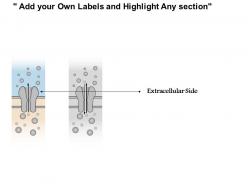
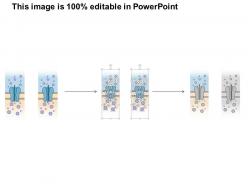
0614 opposing forces regulate k flux across the plasma membrane medical images for powerpoint




Try Before you Buy Download Free Sample Product
 Impress Your
 Audience
 100%
100% Editable
 Save Hours
 of Time


Get them to assemble with our 0614 Opposing Forces Regulate K Flux Across The Plasma Membrane Medical Images For Powerpoint. Encourage them to gather around.
People who downloaded this PowerPoint presentation also viewed the following :
0614 opposing forces regulate k flux across the plasma membrane medical images for powerpoint with all 8 slides:
Fashion our 0614 Opposing Forces Regulate K Flux Across The Plasma Membrane Medical Images For Powerpoint to the exact detail. They will definitely fit the bill.


FAQs for 0614 opposing forces regulate k flux across the plasma membrane medical
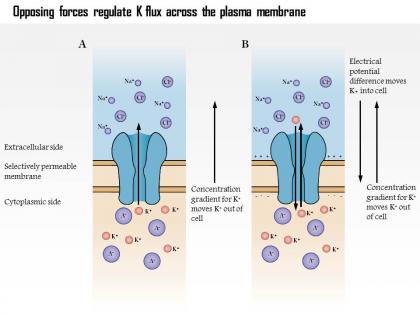
Ion channels regulate cellular homeostasis by controlling ion movement across membranes, maintaining membrane potential, managing pH balance, and facilitating cellular communication. These specialized proteins enable cells to respond to environmental changes, coordinate metabolic processes, and maintain optimal conditions for cellular functions, with many biological systems finding that precise ion regulation ultimately delivers enhanced cellular efficiency and adaptive responses.
Voltage-gated ion channels enable action potential generation by sequentially opening and closing in response to membrane depolarization, creating rapid sodium influx followed by potassium efflux. These channels facilitate precise electrical signaling in neurons, with applications in pharmaceutical research, neurological diagnostics, and biomedical devices, ultimately delivering enhanced understanding of neural function and therapeutic development opportunities.
Ligand-gated ion channels enable rapid synaptic communication by opening when neurotransmitters bind, allowing specific ions to flow across membranes and generate electrical signals. These channels facilitate precise neural transmission in organizations developing brain-computer interfaces, pharmaceutical companies designing targeted therapies, and research institutions studying neurological disorders, ultimately delivering faster signal processing and enhanced understanding of synaptic mechanisms.
Ion channels regulate muscle contraction by controlling calcium and sodium flow across cell membranes, triggering the interaction between actin and myosin proteins that generates force. These channels enable precise timing of muscle fiber activation and relaxation cycles, with cardiac, skeletal, and smooth muscle tissues relying on this mechanism for coordinated movement, ultimately delivering efficient motor function and physiological control.
Ion channels achieve selective permeability through size exclusion filters, electrostatic interactions, hydration-dehydration processes, and conformational gating mechanisms. These sophisticated molecular structures enable precise cellular control by selectively allowing sodium, potassium, calcium, or chloride passage while blocking others, ultimately delivering targeted physiological responses and maintaining essential cellular functions across biological systems.
Ion channel gene mutations disrupt normal protein structure and function, causing defective cellular transport and electrical signaling that manifests as serious medical conditions. In cystic fibrosis, CFTR chloride channel mutations impair salt and water transport in lungs and digestive organs, while long QT syndrome mutations affect cardiac potassium or sodium channels, creating dangerous heart rhythm abnormalities that can ultimately lead to sudden cardiac death.
Techniques for studying ion channels include patch-clamp electrophysiology, cryo-electron microscopy, X-ray crystallography, fluorescence imaging, and molecular dynamics simulations. These methods work together by measuring electrical activity, revealing atomic structures, and tracking conformational changes, with pharmaceutical companies and research institutions finding that this multi-technique approach accelerates drug discovery and enhances understanding of channel-related diseases.
Ion channels collaborate with membrane proteins through direct physical coupling, shared signaling cascades, and coordinated regulatory mechanisms that control cellular communication pathways. These protein networks enable cells to integrate multiple signals simultaneously, with receptors, transporters, and enzymes working together to amplify responses, maintain homeostasis, and ultimately deliver precise cellular outcomes essential for tissue function and organismal survival.
Ion channel inhibitors serve as therapeutic agents by selectively blocking specific channels to treat neurological disorders, cardiovascular diseases, pain conditions, and autoimmune disorders. These targeted medications enhance treatment precision by modulating cellular excitability, reducing abnormal signaling, and restoring physiological balance, with many pharmaceutical companies finding that channel-specific therapies deliver fewer side effects and improved patient outcomes.
Ion channels and ion transporters differ significantly in their mechanisms and cellular roles, with channels providing passive, rapid ion movement through open pores while transporters actively move ions against concentration gradients using energy. These distinct systems enable cells to maintain electrical signaling, regulate pH balance, and control nutrient uptake, with many biological processes finding that this strategic combination delivers both immediate responses and long-term cellular homeostasis.
Ion channels enable sensory perception by converting physical stimuli into electrical signals that neurons can process and transmit to the brain. Specialized channels in sensory organs respond to light, sound, touch, temperature, and chemical signals, with mechanosensitive channels in hearing, thermosensitive channels in temperature detection, and chemoreceptive channels in taste and smell ultimately delivering rapid, precise sensory experiences.
Recent advancements in ion channel-targeted drugs include selective sodium channel blockers, novel calcium channel modulators, advanced potassium channel openers, and engineered ligand-gated ion channel therapeutics. These developments enhance precision medicine by delivering targeted neurological treatments, improved cardiac therapies, and refined pain management solutions, with pharmaceutical companies increasingly finding that selective channel targeting minimizes side effects while maximizing therapeutic outcomes.
pH and temperature significantly affect ion channel functionality by altering protein structure, gating mechanisms, and conductance properties through conformational changes, charge distribution modifications, and kinetic rate adjustments. These environmental factors influence cellular processes across biological systems, with research applications in pharmaceuticals, biotechnology, and medical diagnostics ultimately delivering enhanced drug development and therapeutic interventions.
Ion channels play crucial regulatory roles in apoptosis by controlling calcium influx, potassium efflux, and cellular volume changes that trigger death pathways. These channels enable cells to execute controlled elimination processes essential for tissue maintenance, immune system function, and developmental biology, with many research institutions finding that targeted ion channel modulation offers promising therapeutic approaches for cancer treatment and neurodegenerative diseases.
Patch-clamp techniques enable researchers to investigate ion channel behavior by isolating individual channels, measuring electrical currents with precise voltage control, and recording real-time channel opening and closing dynamics. Through specialized micropipettes, scientists can study single-channel conductance, gating mechanisms, and drug interactions in various cell types, ultimately delivering detailed insights into cellular signaling pathways and therapeutic targets for neurological disorders.
-
Wonderful templates design to use in business meetings.
-
Qualitative and comprehensive slides.