


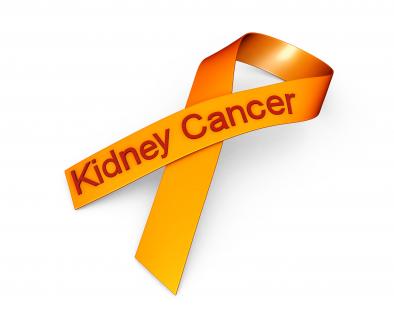
0914 orange ribbon for kidney cancer awareness stock photo




Try Before you Buy Download Free Sample Product
 Impress Your
 Audience
 100%
100% Editable
 Save Hours
 of Time


Create harmony with our 0914 Orange Ribbon For Kidney Cancer Awareness Stock Photo. They help foster an air of agreement.
People who downloaded this PowerPoint presentation also viewed the following :
0914 orange ribbon for kidney cancer awareness stock photo with all 1 slides:
Our 0914 Orange Ribbon For Kidney Cancer Awareness Stock Photo create the correct frame of mind. Your thoughts will flow with complete ease.
FAQs for 0914 orange ribbon for kidney cancer
The orange ribbon serves as a powerful symbol for kidney cancer awareness, helping patients, families, and advocates unite in education, support, and fundraising efforts. Through campaigns, social media initiatives, and community events, organizations leverage this distinctive color to increase visibility, promote early detection screening, and drive research funding, with many healthcare institutions finding that unified awareness symbols significantly enhance public engagement and ultimately save lives.
Individuals can effectively promote kidney cancer awareness by wearing orange ribbons during events, organizing community walks, distributing ribbons at health fairs, partnering with local healthcare facilities, and sharing educational materials through social media campaigns. These grassroots approaches streamline awareness efforts by creating visible advocacy, fostering community dialogue, and connecting resources with at-risk populations, ultimately delivering broader education and earlier detection opportunities.
Kidney cancer affects approximately 79,000 Americans annually, with over 13,900 deaths each year, making it among the top ten most common cancers. Early detection significantly improves five-year survival rates from 15% for advanced stages to over 90% for localized cases, with many healthcare organizations finding that increased awareness campaigns directly correlate with earlier diagnoses and better patient outcomes.
Organizations utilize the orange ribbon campaign through fundraising events, educational seminars, social media campaigns, community walks, and survivor storytelling initiatives. Healthcare institutions, nonprofits, and advocacy groups leverage these activities to enhance public awareness, streamline resource allocation for research, and ultimately deliver improved patient support services and treatment outcomes.
Key symptoms kidney cancer awareness efforts should emphasize include blood in urine, persistent back or side pain, unexplained weight loss, fatigue, and abdominal lumps or masses. These awareness campaigns prove most effective when highlighting how early detection through symptom recognition enables better treatment outcomes, improved survival rates, and reduced healthcare costs, with many healthcare organizations finding that targeted educational initiatives significantly enhance community health screening participation.
Social media campaigns utilizing the orange ribbon significantly amplify kidney cancer awareness by creating viral content, fostering patient communities, and driving fundraising initiatives across platforms like Facebook, Instagram, and Twitter. These campaigns enable healthcare organizations, advocacy groups, and survivors to share educational resources, personal stories, and research updates, ultimately reaching broader audiences and encouraging early detection conversations that traditional awareness methods often struggle to achieve.
Presentations can incorporate orange ribbon symbolism through color-coordinated slide designs, ribbon graphics as dividers or headers, and orange-themed infographics highlighting key statistics. Healthcare institutions and advocacy organizations enhance their awareness campaigns by integrating the ribbon into educational materials, patient resources, and fundraising presentations, ultimately delivering stronger visual recognition and emotional connection that drives community engagement and support.
Kidney cancer survivors serve as powerful advocates, sharing personal stories, participating in fundraising events, mentoring newly diagnosed patients, and collaborating with healthcare organizations to promote early detection. Through social media campaigns, community outreach, and partnership with cancer foundations, survivors humanize the orange ribbon symbol, ultimately driving increased awareness, research funding, and support networks that benefit current patients and families.
Successful orange ribbon kidney cancer campaigns include the National Kidney Foundation's "Orange Out" initiative, American Cancer Society's survivor spotlight programs, patient advocacy partnerships with hospitals, social media awareness drives during Kidney Cancer Awareness Month, and corporate sponsorship collaborations. These campaigns enhance public education, increase early detection rates, and boost research funding, with many healthcare organizations finding that community-focused approaches ultimately deliver greater patient engagement and improved survival outcomes.
Kidney cancer awareness varies significantly across regions due to healthcare infrastructure differences, cultural attitudes toward medical discussions, and varying incidence rates. Orange ribbon initiatives can adapt by partnering with local healthcare systems, incorporating culturally relevant messaging, and leveraging region-specific communication channels, with many organizations finding that localized approaches deliver stronger community engagement and ultimately more effective awareness outcomes.
Organizations face logistical challenges including securing adequate funding for awareness campaigns, coordinating with healthcare providers and advocacy groups, distributing orange ribbon materials across multiple locations, and timing campaigns effectively around Kidney Cancer Awareness Month. These obstacles can be streamlined through strategic partnerships with hospitals and pharmaceutical companies, digital distribution platforms, and collaborative planning, with many healthcare institutions finding that early preparation and community engagement ultimately deliver broader reach and more impactful awareness outcomes.
Schools can participate in kidney cancer awareness initiatives by organizing orange ribbon fundraising drives, hosting educational assemblies about kidney health prevention, coordinating orange-themed dress-up days, and integrating kidney disease awareness into health curriculum activities. These programs enable educational institutions to build community engagement, promote health literacy among students and families, and create meaningful partnerships with local healthcare organizations, ultimately fostering awareness campaigns that extend beyond school boundaries.
Educational resources for kidney cancer include patient advocacy websites, medical institution guides, support group materials, awareness campaign content, and healthcare provider educational tools. These resources enhance understanding by providing symptom recognition information, treatment option explanations, and survivor testimonials, with many healthcare organizations finding that comprehensive educational approaches ultimately improve early detection rates and patient outcomes.
Fundraising can be integrated through charity runs, online donation drives, merchandise sales, corporate sponsorships, and community events like awareness walks or galas. These initiatives enhance campaign reach by combining education with financial support, enabling organizations to fund research, patient support services, and expanded outreach programs, while building stronger community engagement and ultimately delivering greater impact for kidney cancer awareness.
Future trends in cancer awareness campaigns include digital integration, personalized messaging, community-driven advocacy, influencer partnerships, and interactive social media engagement. These approaches enhance traditional color-based awareness like orange for kidney cancer by creating multi-platform experiences, enabling real-time patient storytelling, and fostering deeper connections, with many healthcare organizations finding that combining recognizable symbols with digital innovation ultimately delivers broader reach and more meaningful engagement.
-
Awesomely designed templates, Easy to understand.
-
Best Representation of topics, really appreciable.