

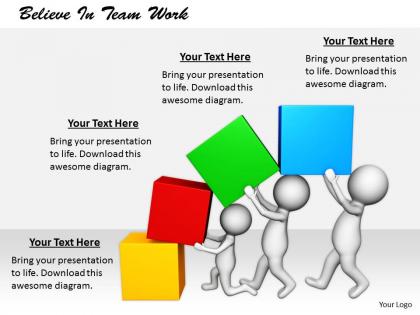
2413 believe in team work ppt graphics icons powerpoint




Try Before you Buy Download Free Sample Product
 Impress Your
 Audience
 100%
100% Editable
 Save Hours
 of Time


Get the audience onto your frequency. Strike a chord with our 2413 Believe In Team Work Ppt Graphics Icons Powerpoint.
People who downloaded this PowerPoint presentation also viewed the following :
2413 believe in team work ppt graphics icons powerpoint with all 3 slides:
If you want to connect with your audience as you present then you need something that is visually engaging. Our 2413 Believe In Team Work Ppt Graphics Icons Powerpoint are exactly there for that.
FAQs for 2413 believe in team work ppt
Honestly, the teams that don't crack under pressure all have three things down: communication, trust, and being able to roll with changes. People need to speak up fast when shit hits the fan - and actually listen without getting all defensive about it. Trust is everything because you can't babysit every decision when things are moving quickly. I've watched teams completely implode when everyone starts questioning each other mid-crisis. Being adaptable matters too since plans always change when you're under the gun. Work on this stuff when things are chill so it becomes second nature later.
Honestly? Mixed teams blow homogeneous ones out of the water every time. More perspectives means better solutions - kinda like having an actual toolkit vs just one hammer. Research backs this up too. People challenge each other's ideas and catch stuff you'd never think of alone. Yeah, it gets messy sometimes and feels awkward at first, but that's literally where the best ideas come from. You'll dodge groupthink completely. Those different viewpoints aren't just nice to have - they're what'll set you apart from everyone else doing the same boring stuff.
Honestly, your team's probably struggling because communication sucks right now. People end up doing the same work twice, missing deadlines, and getting frustrated with each other. Regular check-ins help a ton - even just 15 minutes weekly makes a difference. Be way more specific about what you actually want from people too. Trust me, vague instructions kill productivity faster than anything. When everyone knows what's happening, decisions get made quicker and you catch issues early. It's wild how much smoother everything runs when people just... talk to each other properly.
Honestly, start by owning your mistakes openly - like actually admitting when you mess up. When people bring up problems or confess they screwed something up, don't freak out. React positively because we've literally all been there. During meetings, actually listen instead of planning what you'll say next (harder than it sounds). Set up those one-on-one chats so people can talk without the group dynamic. Oh, and celebrate team wins publicly - people remember that stuff. Pick one thing and stick with it for a month. Trust takes forever to build but it's worth it.
Start by actually listening to everyone - like really listening, not just waiting for your turn to talk. Don't let issues sit around and fester, they get so much worse. When you're talking about the problem, say "I noticed..." instead of "You always..." because nobody likes being attacked. Oh, and if you're totally stuck, keep asking "why" until you get to the real issue underneath. Set up some basic rules early on about how your team handles disagreements. Write down whatever you decide so people can't conveniently "forget" later.
Honestly, having clear goals is a game-changer for teams. No more confusion about what everyone's supposed to be working on. People stop stepping on each other's toes or doing the same work twice. Your team actually knows what success looks like, which sounds obvious but you'd be surprised how often that's missing. Everyone becomes way more accountable too since they understand their piece of the puzzle. I swear, once people aren't constantly wondering "wait, should I be focusing on this instead?" - that's when productivity really takes off. SMART goals work great for this stuff.
Honestly, you've gotta over-communicate like crazy. Video calls are your best friend - I know it sounds obvious but seeing people's faces really does help. Set up clear expectations about response times and meeting schedules from day one. Make separate channels for work updates and random chat so you don't lose that casual connection (trust me, the meme channel matters). Document stuff in shared spaces so nobody's confused about what's happening. Regular check-ins are huge, but not just about work - actually ask how people are doing. Oh, and start your next meeting with something totally random to break the ice.
Honestly, feedback stuff works because everyone can see what's happening - no more black box mystery about who's doing what. Regular check-ins and peer reviews create this weird but effective transparency thing. People actually follow through more when they know teammates are aware of their progress (kinda like working out with a buddy, you know?). The two-way feedback catches problems before they blow up, plus you get to celebrate wins together instead of just grinding alone. Weekly retrospectives are clutch - they seem annoying at first but they're totally worth it. Trust me on this one.
Honestly, meetings can be brutal for quiet people. Mix it up - have everyone jot down ideas first before anyone talks out loud. That way the loud voices don't steamroll everything. You could rotate who runs the discussion too, or set up an anonymous board where people drop thoughts. I've found it helps to directly ask quieter folks what they think, but don't ambush them with it. Maybe give them a heads up beforehand? Oh, and if you've got remote people, don't always schedule at times that work perfectly for the office crew. Some people just think better when they can write first instead of jumping straight into verbal chaos.
Okay so group decisions are usually way better than solo ones. You get different viewpoints, plus people actually want to follow through when they helped decide. I've seen this work - catching mistakes one person would totally miss. Yeah it's slower and sometimes gets chaotic with everyone chiming in. But honestly? That upfront time saves you from disasters later. One thing that helps - figure out who does what in the decision process beforehand. Otherwise it turns into a free-for-all and nobody knows if their opinion actually matters.
Oh totally, team size makes a huge difference. 3-5 people? You'll actually get stuff done - decisions happen fast and everyone stays in the loop. Once you hit like 10+ people though, it becomes this nightmare where half the team thinks someone else is handling things. I've been there and it's painful. Most projects work best with 5-7 people, but honestly if you're stuck with a massive team, just split into smaller groups. Give each group their own piece to own. Otherwise you'll spend more time in meetings than actually working, and nobody wants that.
Honestly, the right tech tools can totally change how your team works together. Real-time messaging keeps everyone looped in. Shared docs where people can edit at the same time are a game-changer. Project management platforms help track who's handling what - though some are way too complicated for their own good. Video calls work great when you can't meet face-to-face (assuming someone doesn't forget to unmute themselves). Don't overthink it though. Pick one or two simple tools that actually match how your team operates instead of cramming everyone into some fancy system they'll hate. Build up from there.
Honestly, team building stuff actually works because people start seeing their coworkers as actual humans instead of just email signatures. You know how Sarah from accounting suddenly becomes way more approachable after you've both failed miserably at laser tag together? Breaking down those weird office walls is huge. Plus when crunch time hits, you've already built up trust and communication without the pressure. I've made some of my best work friends through those cheesy activities - though trust falls are still ridiculous. Just pick something your team won't hate, not whatever's trending on LinkedIn right now.
Honestly, start with the obvious stuff - are projects getting done on time and meeting quality standards? Those numbers tell you a lot. But don't stop there because the softer stuff matters just as much. Ask your team how communication's going, if they trust each other, whether they feel actually heard. Look at whether people are truly collaborating or just working side by side - there's a huge difference. Oh, and retention rates within teams are super telling too. I'd mix the hard data with quick team check-ins regularly. Good teamwork shows up everywhere - your metrics AND how the team feels.
Ugh, cross-functional teams can be such a pain! Communication is the worst part - everyone's basically speaking different languages and chasing totally different goals. Plus nobody knows who actually makes the final call on stuff. I swear it's like trying to coordinate a group text with your most disorganized friends sometimes. But here's what actually works: nail down everyone's role from day one, get people aligned on shared objectives they actually care about, and do regular check-ins where you hash out problems. Oh and definitely start with a proper kickoff meeting to set expectations. Makes such a difference when everyone gets how their work connects to the big picture.
-
Great designs, really helpful.
-
Very well designed and informative templates.