


4 Growth Driver Supply Chain Monitoring Systems Customer Expectation And Demand





Try Before you Buy Download Free Sample Product
 Impress Your
 Audience
 100%
100% Editable
 Save Hours
 of Time


Bring folks around to aligning their energies with our 4 Growth Driver Supply Chain Monitoring Systems Customer Expectation And Demand. It helps forge fusion.
People who downloaded this PowerPoint presentation also viewed the following :
4 Growth Driver Supply Chain Monitoring Systems Customer Expectation And Demand with all 11 slides:
Create a driving force with our 4 Growth Driver Supply Chain Monitoring Systems Customer Expectation And Demand. Bring about a fusion of energies.

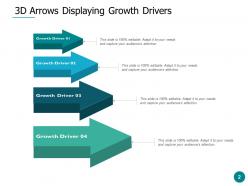
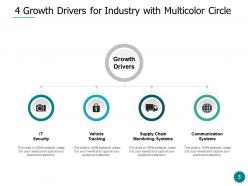
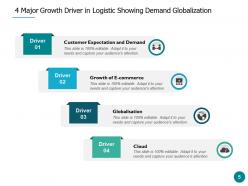
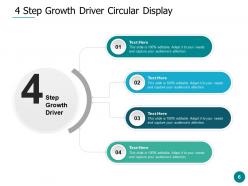
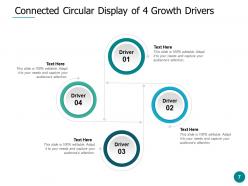
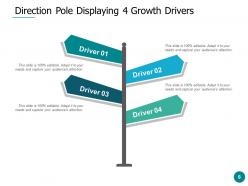

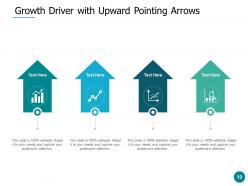

FAQs for 4 Growth Driver Supply Chain Monitoring Systems Customer
Key components include real-time tracking technology, inventory management systems, supplier performance analytics, demand forecasting tools, and risk assessment modules. These systems streamline operations by enhancing visibility across logistics networks, automating inventory optimization, and enabling predictive maintenance, with many manufacturers and retailers finding that integrated monitoring ultimately delivers reduced costs and improved customer satisfaction.
Real-time data analytics enhances supply chain visibility by providing instant tracking of inventory levels, shipment locations, and supplier performance across all network nodes. Through advanced monitoring systems, companies can identify bottlenecks, predict potential disruptions, and optimize resource allocation, while enabling faster decision-making and ultimately delivering improved operational efficiency and customer satisfaction.
IoT technology revolutionizes supply chain monitoring by providing real-time visibility through connected sensors, RFID tags, GPS trackers, temperature monitors, and smart devices that continuously collect operational data. These IoT solutions enable manufacturers and retailers to track inventory movements, monitor product conditions, predict maintenance needs, and optimize logistics routes, ultimately delivering enhanced transparency, reduced costs, and improved customer experiences across global supply networks.
Businesses integrate supply chain monitoring systems with existing ERP solutions through API connections, middleware platforms, and cloud-based integration tools that enable seamless data synchronization. These integrations streamline inventory management, automate procurement processes, and enhance demand forecasting, with many manufacturing and retail organizations finding that unified systems deliver real-time visibility and significantly improved operational efficiency.
Global supply chain monitoring implementation faces challenges including regulatory compliance variations, data standardization across regions, technology infrastructure disparities, cultural communication barriers, and coordinating multiple time zones. While these complexities require significant planning and investment, organizations increasingly find that strategic phased rollouts, local partnerships, and cloud-based platforms enable seamless integration, ultimately delivering enhanced visibility and competitive advantage across international operations.
Supply chain monitoring systems enhance risk management by providing real-time visibility, predictive analytics, automated alerts, and comprehensive tracking across all supply chain touchpoints. These technologies enable organizations to identify potential disruptions early, diversify supplier networks proactively, and implement contingency plans swiftly, with manufacturers and retailers finding that continuous monitoring ultimately delivers greater resilience and operational continuity.
Companies should track metrics including real-time visibility accuracy, incident detection speed, supplier compliance rates, inventory optimization levels, and cost reduction percentages. These performance indicators enable organizations to measure system effectiveness across logistics, manufacturing, and retail operations, with many enterprises finding that comprehensive tracking ultimately delivers enhanced operational efficiency, reduced supply chain disruptions, and stronger competitive positioning.
AI and machine learning enhance predictive analytics in supply chain monitoring by analyzing vast datasets, identifying patterns in demand fluctuations, and forecasting potential disruptions before they occur. These technologies enable organizations to optimize inventory levels, reduce operational costs, and improve delivery reliability, with many manufacturing and retail companies finding that predictive insights deliver significant competitive advantages.
Cloud-based supply chain monitoring systems require robust data encryption, multi-factor authentication, access controls, regular security audits, and compliance with industry standards like SOC 2. These security measures streamline operations by protecting sensitive supplier information, transaction data, and logistics intelligence, with many manufacturing and retail organizations finding that comprehensive security frameworks ultimately deliver enhanced stakeholder trust and competitive advantage.
Supply chain monitoring systems significantly enhance sustainability and ethical sourcing by providing real-time visibility into supplier practices, environmental impacts, and compliance standards across global networks. Through advanced tracking technologies, organizations can identify unsustainable practices, verify ethical labor conditions, and measure carbon footprints, with many companies finding that comprehensive monitoring ultimately delivers improved brand reputation and consumer trust while reducing regulatory risks.
Blockchain technology in supply chain monitoring delivers enhanced transparency, immutable record-keeping, reduced fraud, improved traceability, and streamlined verification processes. Through distributed ledger systems, organizations can track products from origin to consumer while minimizing counterfeiting risks and enabling real-time visibility, with many manufacturers and retailers finding that blockchain ultimately delivers greater consumer trust and operational efficiency.
Organizations ensure data accuracy and reliability through automated data validation protocols, real-time sensor integration, blockchain verification systems, regular audit procedures, and standardized data collection formats across all supply chain touchpoints. These approaches minimize human error, enhance transparency, and enable faster issue detection, with many manufacturing and retail companies finding that comprehensive monitoring systems reduce operational discrepancies by up to 40% while improving supplier accountability.
Manufacturing, retail, pharmaceuticals, automotive, and food industries benefit most from advanced supply chain monitoring solutions. These sectors leverage real-time tracking, predictive analytics, and automated alerts to minimize disruptions, ensure compliance, and optimize inventory levels, with many organizations finding that enhanced visibility ultimately delivers faster response times, reduced costs, and stronger competitive advantage.
Supplier collaboration enhances supply chain monitoring systems by enabling real-time data sharing, improving visibility across multiple tiers, and facilitating proactive issue resolution. Through integrated platforms and shared dashboards, manufacturers and retailers can identify bottlenecks earlier, coordinate responses more effectively, and optimize inventory levels, ultimately delivering reduced costs and improved customer satisfaction.
Businesses should anticipate AI-driven predictive analytics, blockchain integration for enhanced transparency, IoT sensor expansion, real-time risk assessment capabilities, and automated response systems in supply chain monitoring evolution. These advancing technologies streamline operations by enabling proactive disruption management, improving supplier visibility, and delivering faster decision-making processes, ultimately providing competitive advantages in increasingly complex global markets.
No Reviews