


90 Day Onboarding Powerpoint Ppt Template Bundles





Try Before you Buy Download Free Sample Product
 Impress Your
 Audience
 100%
100% Editable
 Save Hours
 of Time


Our 90 Day Onboarding Powerpoint Ppt Template Bundles are topically designed to provide an attractive backdrop to any subject. Use them to look like a presentation pro.
People who downloaded this PowerPoint presentation also viewed the following :
90 Day Onboarding Powerpoint Ppt Template Bundles with all 27 slides:
Use our 90 Day Onboarding Powerpoint Ppt Template Bundles to effectively help you save your valuable time. They are readymade to fit into any presentation structure.














FAQs for 90 Day Onboarding Powerpoint
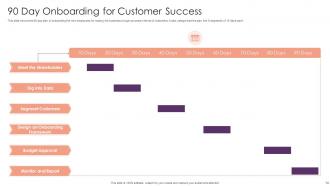
Effective onboarding plans include structured orientation sessions, role-specific training modules, mentorship assignments, clear goal-setting frameworks, and regular progress checkpoints. These elements work together by accelerating time-to-productivity, enhancing employee engagement, and reducing early turnover, with many organizations finding that comprehensive onboarding ultimately delivers stronger retention rates and improved performance outcomes.
Presentation templates streamline onboarding by standardizing training content, ensuring consistent messaging across departments, reducing preparation time for HR teams, and creating professional welcome materials. These templates enable organizations to deliver structured orientation programs, accelerate knowledge transfer, and enhance new employee experiences, with many companies finding that standardized approaches reduce onboarding time while improving retention rates.
Company culture plays a pivotal role in onboarding by shaping expectations, communication styles, collaboration methods, and overall employee integration. A strong cultural foundation enables organizations to streamline role clarity, enhance team dynamics, and accelerate productivity, with many companies finding that culture-driven onboarding delivers higher retention rates and faster employee engagement.
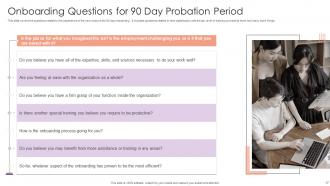
Feedback from new hires improves onboarding by identifying process gaps, clarifying confusing procedures, and highlighting areas where information delivery can be streamlined. This input enables organizations to enhance training materials, adjust timeline expectations, and personalize experiences more effectively, with many companies finding that incorporating regular feedback ultimately delivers faster productivity ramp-up and higher retention rates.
Remote onboarding best practices include structured digital workflows, interactive virtual sessions, mentorship programs, comprehensive resource portals, and regular check-ins with managers. These approaches streamline integration by delivering consistent experiences, fostering early connections, and providing accessible support systems, with many organizations finding that strategic digital onboarding enhances employee engagement and accelerates productivity across distributed teams.
Visual aids in presentations enhance onboarding by simplifying complex information, improving knowledge retention, and creating engaging learning experiences that accommodate different learning styles. Through infographics, process flowcharts, and interactive slides, new employees absorb company policies, procedures, and cultural elements more effectively, while organizations streamline training delivery and reduce onboarding time, ultimately accelerating productivity and integration.
Key onboarding metrics include time-to-productivity, employee retention rates, engagement scores, training completion rates, and manager satisfaction ratings. These measurements enable organizations to track new hire integration effectiveness, identify program gaps, and optimize resource allocation, with many companies finding that comprehensive metric tracking reduces turnover costs while accelerating workforce contribution and operational efficiency.
Onboarding templates adapt to different roles through customizable modules, role-specific content sections, department-based workflows, skill assessment components, and flexible timeline configurations. These adaptable frameworks enable HR teams to streamline personalized experiences across technical, managerial, and operational positions, while maintaining consistency in company culture integration, ultimately delivering efficient resource allocation and faster employee productivity.
Common onboarding pitfalls include overwhelming new hires with excessive information, lack of clear role expectations, insufficient manager engagement, poor technology setup, and absence of cultural integration activities. These challenges can significantly impact employee retention and productivity, with many organizations finding that streamlined processes, structured timelines, and personalized approaches ultimately deliver better engagement and faster time-to-productivity.
Technology enhances onboarding interactivity through virtual reality simulations, gamified learning modules, AI-powered chatbots, interactive video tutorials, and mobile-first platforms that adapt to individual learning styles. These digital solutions streamline the orientation process by delivering personalized experiences, real-time feedback, and engaging content, ultimately reducing time-to-productivity while improving new hire retention and satisfaction across organizations.
Mentorship during onboarding provides new employees with personalized guidance, accelerated learning, and cultural integration that significantly reduces time-to-productivity. This strategic pairing enhances knowledge transfer, builds confidence, and strengthens retention rates, with many organizations finding that mentored employees demonstrate higher engagement levels and faster skill development, ultimately delivering improved performance outcomes.
Customization of onboarding presentations significantly improves engagement by tailoring content to specific roles, departments, and individual learning preferences, creating more relevant and meaningful experiences. When organizations customize presentations with role-specific workflows, department goals, and personalized welcome messages, new hires demonstrate higher retention rates, faster productivity ramp-up, and stronger cultural connection, ultimately delivering improved employee satisfaction and reduced turnover costs.
Legal compliance considerations include employment verification, tax documentation, background checks, confidentiality agreements, and workplace policy acknowledgments. These requirements streamline regulatory adherence by ensuring proper documentation, meeting industry standards, and protecting organizational interests, with many companies finding that comprehensive compliance frameworks ultimately deliver reduced legal risks and enhanced operational transparency.
Onboarding experiences vary significantly across industries based on regulatory requirements, complexity levels, and customer expectations, with financial services emphasizing compliance verification, healthcare focusing on patient data security, and retail prioritizing quick account activation. These tailored approaches streamline sector-specific processes while delivering faster service delivery, enhanced customer satisfaction, and ultimately competitive advantage in increasingly regulated business environments.
Post-onboarding follow-up strategies include regular check-ins, performance feedback sessions, mentorship programs, skills assessment evaluations, and career development discussions. These approaches enhance employee retention by maintaining engagement, identifying knowledge gaps, and providing ongoing support, with many organizations finding that structured 90-day and six-month reviews significantly improve long-term employee satisfaction and productivity.
-
Easily Editable.
-
Commendable slides with attractive designs. Extremely pleased with the fact that they are easy to modify. Great work!