


Ai vs ml vs dl powerpoint presentation slide templates complete deck




Try Before you Buy Download Free Sample Product
 Impress Your
 Audience
 100%
100% Editable
 Save Hours
 of Time


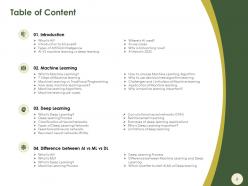
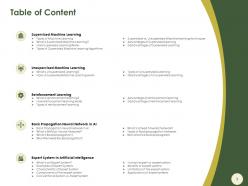
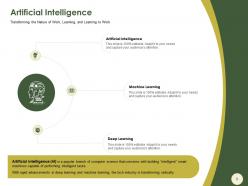
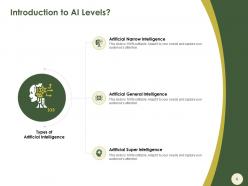
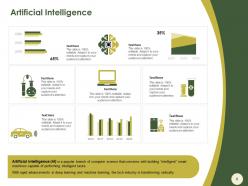
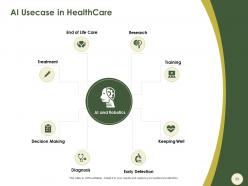
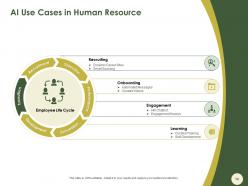
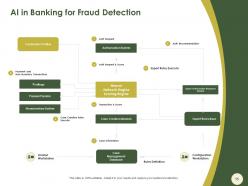
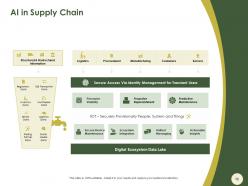
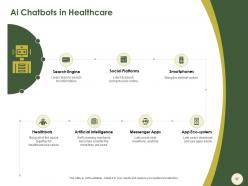
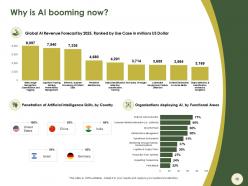
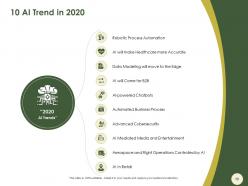
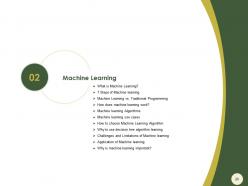
AI Vs ML Vs DL Powerpoint Presentation Slide Templates Complete Deck is loaded with easy-to-follow content, and intuitive design. Introduce the types and levels of artificial intelligence using the highly-effective visuals featured in this PPT slide deck. Showcase the AI-subfield of machine learning, as well as deep learning through our comprehensive PowerPoint theme. Represent the differences, and interrelationship between AI, ML, and DL. Elaborate on the scope and use case of machine intelligence in healthcare, HR, banking, supply chain, or any other industry. Take advantage of the infographic-style layout to describe why AI is flourishing in today’s day and age. Elucidate AI trends such as robotic process automation, advanced cybersecurity, AI-powered chatbots, and more. Cover all the essentials of machine learning and deep learning with the help of this PPT slideshow. Outline the application, algorithms, use cases, significance, and selection criteria for machine learning. Highlight the deep learning process, types, limitations, and significance. Describe reinforcement training, neural network classifications, and a lot more. Hit download and begin personalization. Our AI Vs ML Vs DL Powerpoint Presentation Slide Templates Complete Deck are topically designed to provide an attractive backdrop to any subject. Use them to look like a presentation pro.
People who downloaded this PowerPoint presentation also viewed the following :
Ai vs ml vs dl powerpoint presentation slide templates complete deck with all 99 slides:
Use our AI Vs ML Vs DL Powerpoint Presentation Slide Templates Complete Deck to effectively help you save your valuable time. They are readymade to fit into any presentation structure.






FAQs for Ai vs ml vs dl powerpoint presentation slide
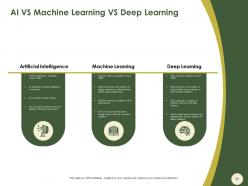
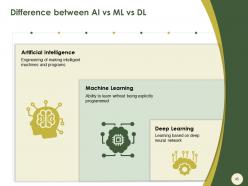
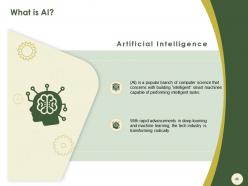
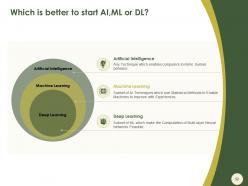
AI represents the broad concept of machines performing human-like tasks, while ML is a subset focusing on algorithms that learn from data, and DL uses neural networks with multiple layers for complex pattern recognition. These technologies build upon each other progressively, with financial institutions using AI for customer service, ML for fraud detection, and DL for advanced analytics, ultimately delivering enhanced automation and competitive advantage.
AI provides the overarching framework for intelligent automation, while ML enables systems to learn from data patterns and improve performance without explicit programming. DL, through neural networks, handles complex tasks like image recognition and natural language processing, with industries like manufacturing, healthcare, and finance finding that this strategic combination streamlines operations, reduces costs, and ultimately delivers faster decision-making capabilities.
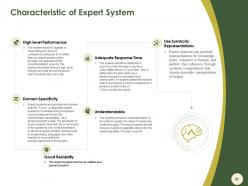
Traditional AI proves more beneficial in rule-based systems with clear logic patterns, expert systems requiring domain-specific knowledge, and scenarios with limited data availability. Industries like legal document processing, diagnostic systems, and regulatory compliance find traditional AI delivers faster implementation, greater transparency, and lower computational costs while maintaining predictable, auditable outcomes.
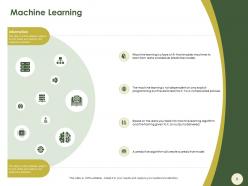
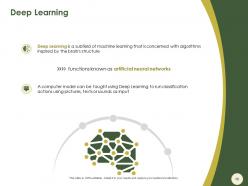
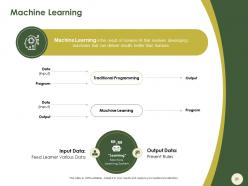
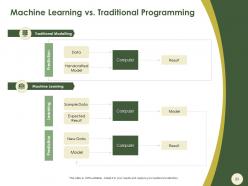
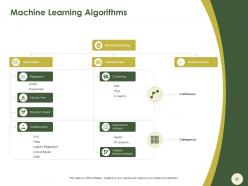
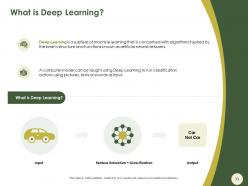
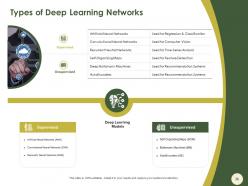
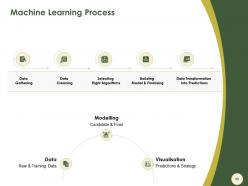
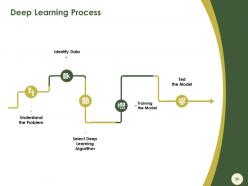
Machine learning algorithms include linear regression, decision trees, random forests, and support vector machines that require manual feature engineering and structured data preprocessing. Deep learning algorithms use neural networks with multiple hidden layers that automatically extract features from raw data, enabling them to process unstructured inputs like images and text while delivering more sophisticated pattern recognition capabilities for complex business applications.
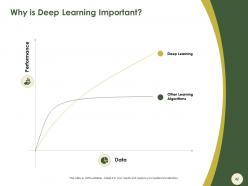
Data quality and quantity serve as foundational pillars for ML and DL model effectiveness, with high-quality, diverse datasets enabling accurate predictions while poor data leads to biased or unreliable outcomes. In deep learning especially, large volumes of clean data significantly enhance model performance, with sectors like healthcare, finance, and retail finding that strategic data management ultimately delivers competitive advantages through improved accuracy and operational efficiency.
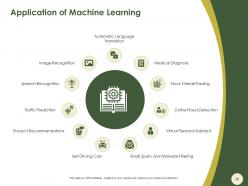
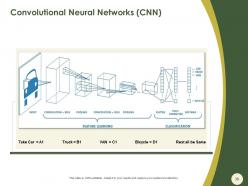
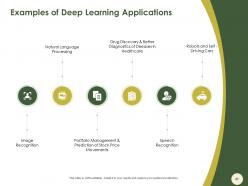
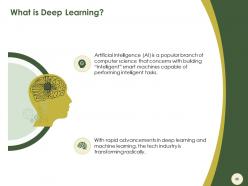
Deep learning significantly outperforms traditional machine learning in image recognition for medical diagnostics, natural language processing for chatbots, and speech recognition systems. Through neural networks with multiple layers, hospitals achieve more accurate tumor detection, financial institutions deliver superior fraud identification, and retail companies provide enhanced customer personalization, ultimately enabling faster diagnoses, reduced false positives, and improved customer experiences.
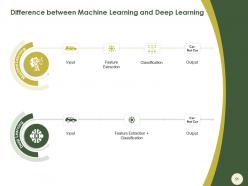
Traditional machine learning requires extensive manual feature engineering, where data scientists extract, select, and transform relevant features through domain expertise and statistical techniques. Deep learning automates this process through neural networks that learn hierarchical feature representations directly from raw data, significantly reducing manual preprocessing while enabling more complex pattern recognition, with many organizations finding that deep learning approaches streamline development cycles and enhance predictive accuracy across diverse applications.
Deep learning requires significantly more computing resources than traditional machine learning, demanding powerful GPUs, substantial memory, and distributed processing capabilities for training complex neural networks. While ML models can often run on standard hardware, DL implementations typically need specialized infrastructure, high-performance computing clusters, and extensive data storage, with many organizations finding that cloud-based solutions help manage these intensive computational demands cost-effectively.
Ethical considerations include algorithmic bias, data privacy violations, job displacement concerns, transparency in decision-making, and accountability for automated outcomes. These technologies present both challenges and opportunities, with many organizations finding that proactive ethical frameworks, diverse development teams, and transparent AI governance ultimately deliver greater stakeholder trust and competitive advantage.
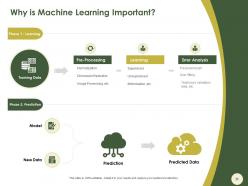
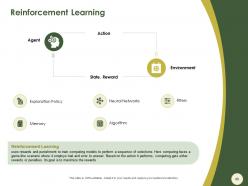
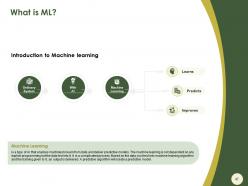
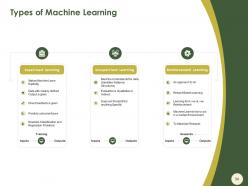
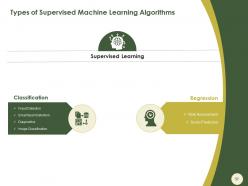
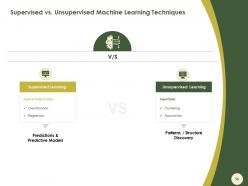
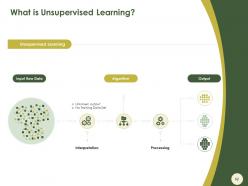
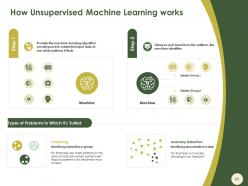
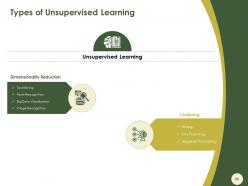
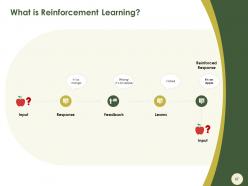
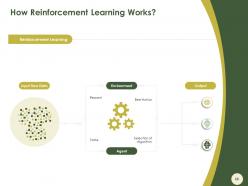
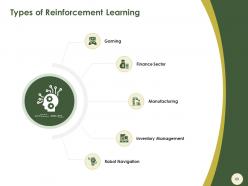
ML learning capabilities vary significantly across paradigms: supervised learning excels at prediction using labeled data, unsupervised learning discovers hidden patterns without labels, and reinforcement learning optimizes decisions through trial-and-error feedback. These approaches enable organizations to tackle different challenges, with banks using supervised models for fraud detection, retailers leveraging unsupervised clustering for customer segmentation, and manufacturing companies applying reinforcement learning for automated optimization, ultimately delivering targeted solutions for diverse business needs.
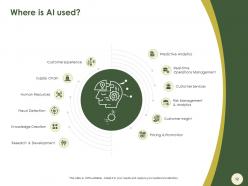
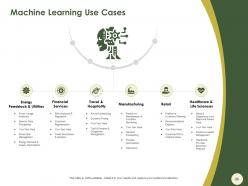
Businesses leverage ML and DL for predictive analytics through demand forecasting, customer behavior prediction, risk assessment, fraud detection, and operational optimization. Financial institutions use these technologies to automate loan approvals and detect anomalies, while retailers enhance inventory management and personalized recommendations, ultimately delivering faster decision-making and competitive advantage.
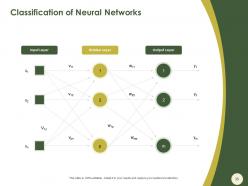
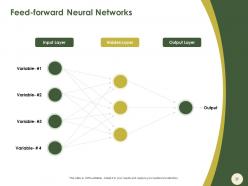
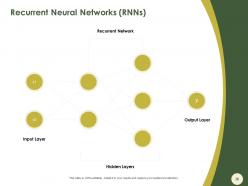
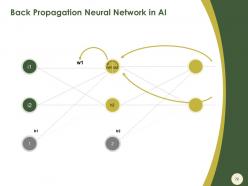
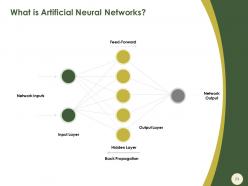
Neural networks serve as a fundamental bridge connecting AI's broad goals with ML's practical implementation methods, functioning as computational models inspired by biological brain structures that process information through interconnected layers of nodes. These networks enable machines to learn complex patterns, recognize images, process natural language, and make predictions across industries like healthcare diagnostics and financial fraud detection, ultimately delivering the pattern recognition capabilities that make artificial intelligence practically achievable.
Common misconceptions include believing AI always requires deep learning, that ML automatically equals intelligence, that DL works for all data types, and that these technologies replace human judgment entirely. Many organizations find that ML often outperforms complex DL for structured data tasks, while AI encompasses rule-based systems too, ultimately requiring strategic human-AI collaboration for optimal business outcomes.
AI, ML, and DL evolution will reshape technology through enhanced automation, predictive analytics, personalized experiences, and intelligent decision-making systems across industries. This transformation will create new roles in AI development, data science, and human-AI collaboration while requiring workforce reskilling, with organizations increasingly finding that strategic integration delivers competitive advantage and operational efficiency.
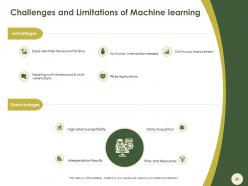
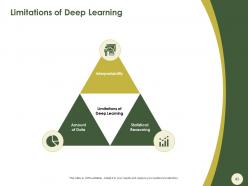
Machine learning models face limitations including feature engineering complexity, difficulty processing unstructured data, scalability challenges with large datasets, and limited pattern recognition in high-dimensional spaces. Deep learning addresses these through automated feature extraction, superior handling of images and text, enhanced scalability across industries like healthcare and finance, ultimately delivering more accurate predictions and streamlined analytical processes.
-
Enough space for editing and adding your own content.
-
Very unique and reliable designs.
-
Unique and attractive product design.
-
Good research work and creative work done on every template.
-
Excellent template with unique design.
-
Nice and innovative design.