

Air Pollution Powerpoint Ppt Template Bundles




Try Before you Buy Download Free Sample Product
 Impress Your
 Audience
 100%
100% Editable
 Save Hours
 of Time


Our Air Pollution Powerpoint Ppt Template Bundles are topically designed to provide an attractive backdrop to any subject. Use them to look like a presentation pro.
People who downloaded this PowerPoint presentation also viewed the following :
Air Pollution Powerpoint Ppt Template Bundles with all 18 slides:
Use our Air Pollution Powerpoint Ppt Template Bundles to effectively help you save your valuable time. They are readymade to fit into any presentation structure.






FAQs for Air Pollution Powerpoint
Cars and trucks are the worst offenders - all those nitrogen oxides and particles they're spitting out. Coal power plants are pretty terrible too, honestly can't believe we still rely on them so much. Construction dust adds up way more than you'd think, especially in cities that are always building something. Oh, and older heating systems? They're sneakier contributors than most people realize. If you want to actually help, push your city for better buses/trains and vote for cleaner energy stuff. Those hit the two biggest problems directly.
Ugh, air pollution is seriously bad news for your lungs and heart. You're looking at higher risks for asthma, heart disease, even lung cancer. The scary part? It can literally shorten your life by 1-3 years depending on where you live. Kids and older folks get hit the hardest since their bodies can't fight off all that toxic crap as well. PM2.5 particles are the worst - they're so tiny they slip right into your bloodstream. Honestly, if I were you, I'd download one of those air quality apps and skip outdoor workouts when it's gross out.
So basically outdoor pollution comes from cars, factories, that kind of stuff. But indoor air? Way worse than you'd think - like 2-5 times more polluted. Wild, right? It's all the cleaning products, cooking smells, mold, dust mites building up inside. Outside you're dealing with those tiny PM2.5 particles and ozone from traffic. The good news is you can actually do something about indoor air - get an air purifier, open windows when it's nice out. Outdoor pollution though? That's on politicians to fix, honestly.
Yeah, so environmental regs basically make companies clean up or pay up. Strict emissions standards mean they've got to install better equipment or switch fuels - otherwise hello massive fines. The Clean Air Act really works though. LA's air now vs the 80s? Night and day difference, you can see it in satellite photos. Same with the Ohio River Valley area. Companies hate the upfront costs but honestly tough luck. Check what regulations apply in your area and push for better enforcement if things seem sketchy.
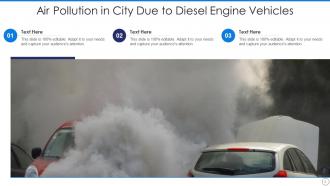
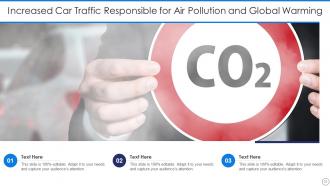
Yeah, cars are honestly a huge problem - like 30-40% of city air pollution comes from vehicle exhaust. Every time you drive, you're putting out nitrogen oxides and carbon monoxide and all that nasty stuff. Even newer cars add up when there's millions of them out there daily. Traffic jams make it way worse too since your engine's basically choking itself. I used to think one person couldn't make a difference, but carpooling or taking the bus actually helps. Even just doing all your errands in one trip instead of making separate ones cuts down on emissions.
So basically, burning fossil fuels pumps out CO2 and methane that trap heat - that's the main way pollution drives climate change. It gets weird though because some pollutants like sulfur actually reflect sunlight and cool things down temporarily (still awful for your lungs). Meanwhile black carbon does the total opposite and soaks up heat. The whole thing messes with Earth's energy balance in confusing ways. Clean energy policies are probably our best shot at fixing this mess, plus whatever you can cut from your own carbon footprint.
Honestly, start with the stuff that'll actually move the needle - transportation and energy. Walk or bike more, take the bus if you can. At home, LED bulbs are cheap and unplugging random devices helps (I'm terrible at remembering this one though). Drop your thermostat a couple degrees. Local food cuts down on shipping emissions, and yeah, less meat makes a difference since cows are basically pollution factories. Don't stress about doing everything at once - pick like two things and go from there. It adds up faster than you'd think.
Dude, the air pollution tech stuff is actually getting pretty wild. IoT sensors are popping up everywhere tracking air quality, and satellites can literally spot pollution sources from space now. Electric cars are the obvious one, but there's also carbon capture systems and AI that optimizes factory emissions. Traffic patterns get adjusted automatically based on pollution data in some cities. Oh, and you can check hyperlocal air quality before you run - I'm weirdly obsessed with the AirVisual app now, probably check it way too much. Smart city integration is happening faster than I expected honestly.
Honestly, the stuff that actually works combines a bunch of different approaches. London's congestion charge is pretty genius - basically charges people to drive in the city center. Stricter car emission standards help too, plus switching buses and trains to electric. China's been going hard on shutting down coal plants and cracking down on factories, which is wild considering how bad their air used to be. Building codes for new construction matter more than you'd think. But here's the thing - politicians have to actually enforce this stuff consistently or it's basically worthless.
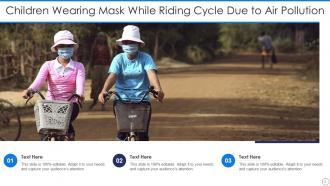
Yeah, so basically the most vulnerable people get screwed over the most by air pollution. Kids breathe way faster than adults, plus their lungs aren't fully developed yet - so they're literally absorbing more of the bad stuff. Older folks and anyone with asthma or other breathing problems? Their bodies just can't cope with that extra toxic load. And here's the really messed up part - poor communities usually end up living right next to highways and factories because that's where rent is affordable. It's such BS honestly. If you're doing outreach, definitely hit up schools and senior centers first.
Air pollution really screws over wildlife in ways most people don't think about. Animals get respiratory problems just like we do. Food chains get totally messed up because pollutants build up in smaller creatures, then concentrate as they move up to bigger predators. Acid rain kills forests and destroys aquatic habitats. The sensitive species just can't keep up with how fast air quality changes, so biodiversity tanks. I read this study once about how it's even affecting coral reefs and bird migration routes - honestly blew my mind. If you're doing any environmental work, you've gotta consider these long-term ecosystem effects when looking at air quality policies.
So countries handle air pollution pretty differently depending on where they are economically. Europe's all about those strict emission rules and getting countries to work together. China's throwing tons of money at renewables and literally shutting down factories when needed. The US? It's kinda all over the place - some states do cap-and-trade stuff but there's no real unified approach. A lot of developing countries write decent policies but can't actually enforce them, which sucks. Oh, and if this is for work or whatever, WHO has these country breakdowns that show what's legit working vs just political BS.
Hey! So basically, renewables like wind and solar don't burn anything, which is the whole point. No nasty stuff like particulates or sulfur dioxide getting spewed everywhere. Cities with more renewable energy have way cleaner air - less smog, fewer people with breathing problems, that kind of thing. Honestly, the health benefits are probably the most underrated part of the whole green energy thing. Plus you're helping with climate change too. If your company's looking at this, even a partial switch makes a noticeable difference in your environmental impact. Pretty straightforward win-win situation.
Yeah, education campaigns can totally work! The trick is making air quality feel personal instead of some big abstract thing. Like, when people see real-time data for their actual neighborhood and realize their car trips or cleaning products are messing with the air they breathe daily, that's when they start caring. Local beats global every time, honestly. Short, concrete alternatives work way better than lecturing about climate change or whatever. Does your city have one of those air quality apps? That's usually a good place to start with your team.
Dude, trees are literally like giant air filters! They suck up all the nasty stuff - nitrogen dioxide, ozone, particles floating around. One big tree pulls about 27 pounds of CO2 out of the air yearly, which honestly blows my mind. Plus green areas cool down those brutal city heat islands you know? I swear the air feels cleaner when you're walking through parks versus concrete jungle areas. More plants = better air quality, period. So yeah, if your city's doing any planning stuff or you're picking where to live, go for the green neighborhoods. Your lungs will thank you.
-
Easily Understandable slides.
-
Slideteam offers pocket-friendly products. As a college student this is a really necessary thing to look at while paying for something.