


Green Technology Powerpoint Ppt Template Bundles




Try Before you Buy Download Free Sample Product
 Impress Your
 Audience
 100%
100% Editable
 Save Hours
 of Time


Our Green Technology Powerpoint Ppt Template Bundles are topically designed to provide an attractive backdrop to any subject. Use them to look like a presentation pro.
People who downloaded this PowerPoint presentation also viewed the following :
Green Technology Powerpoint Ppt Template Bundles with all 20 slides:
Use our Green Technology Powerpoint Ppt Template Bundles to effectively help you save your valuable time. They are readymade to fit into any presentation structure.








FAQs for Green Technology Powerpoint
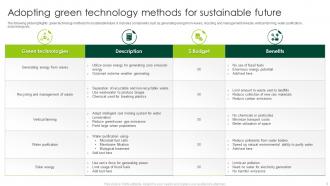
So green tech basically covers solar, wind, hydro - plus energy-efficient stuff and sustainable materials. Solar's gotten crazy affordable lately, which is awesome. The magic happens when you combine multiple solutions instead of just picking one thing. They cut carbon emissions and turn waste into useful inputs for other processes. Honestly, most people overthink it - just start with an energy audit of what you're currently using. That's usually where you'll find the easiest wins. The whole point is meeting our needs without trashing the planet.
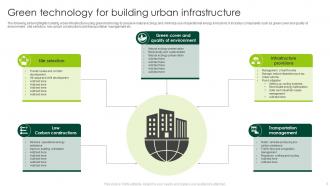
So basically, cities can cut their carbon footprint big time with smart building tech and electric buses/trains instead of gas-guzzling ones. LED streetlights are huge - plus solar panels on rooftops and those crazy efficient HVAC systems. Some places are doing wild stuff like vertical farms on buildings now. Electric car charging stations help too, along with bike shares. Oh and renewable energy microgrids are pretty cool for getting off fossil fuels. If this is for your city planning thing, I'd probably start by figuring out which buildings and transportation are eating up the most energy first.
Honestly, renewable energy is what makes all the other green tech stuff actually work. Think about it - electric cars are pointless if you're charging them with coal power, you know? Solar and wind are powering everything from smart buildings to those fancy grid systems. Plus they're creating cool innovations in battery storage and even hydrogen production (which is pretty wild if you ask me). When you're looking at green investments, I'd definitely check what's actually powering them. That's where you'll see if something's genuinely helping the environment or just greenwashing.
So smart grids are basically this real-time balancing act for electricity. They use sensors and AI to figure out when solar or wind is pumping out extra power, then either store it or send it wherever it's needed most. Your house could literally sell power back during the day if you've got solar panels - which is wild when you think about it. Regular grids waste like 8-10% of electricity just moving it around, but smart grids cut that way down. Oh, and if you're thinking investments, definitely look at grid storage companies. That's where the real money's gonna be.
Honestly, just pick one thing and start there - don't try to do everything at once or you'll go crazy. LED bulbs are super easy and cheap, so maybe begin with those? Solar panels are amazing if you've got the cash, but they're not exactly pocket change. Smart thermostats help too. For bigger stuff, look into energy-efficient equipment and going paperless (your filing cabinets will thank you). Electric vehicles are cool but damn expensive upfront. Water conservation systems are solid investments though. The key is building momentum - once you see results from lighting, you'll want to tackle the next thing.
Dude, the funding game is rough for green tech. VCs freak out about how long everything takes - you need tons of cash upfront but won't see returns for ages. Policy changes mess with regulations constantly, which makes investors even more skittish. Oh and half these VCs don't actually get the technical stuff you're building. You're often creating whole new markets too, so proving there's demand is a nightmare. My advice? Find investors who actually know cleantech and aren't expecting quick exits. Those rare patient ones exist, just gotta hunt harder.
Dude, the waste management stuff happening right now is actually pretty cool. Smart sorting systems can identify materials way faster than people - it's wild to watch. Chemical recycling is finally breaking down plastics we couldn't touch before. Some waste-to-energy plants are getting super clean too, though I'm still kinda skeptical about those. The real shift is designing products to be recyclable from day one instead of trying to figure it out later. Companies are starting to think circular economy first. If you're looking into this for work, definitely see what tech options are around you locally.
Honestly, AI energy optimization is huge right now - everyone's jumping on it. Carbon capture and green hydrogen are blowing up too. You've probably noticed how much cheaper solar and wind have gotten lately, which makes switching way more realistic. Electric vehicle infrastructure is everywhere now, even if you're not in cars directly. Oh, and circular economy stuff is massive - turning waste into actual resources instead of just tossing it. I'd start by looking at your current energy use first, then figure out what'd actually make a difference for your setup. Some of this tech sounds cooler than it actually is though.
So basically governments have three ways to push green tech forward. Tax credits and subsidies make clean energy cheaper - pretty straightforward. Then there's regulations like fuel efficiency standards that force companies to innovate (they complain at first but whatever). Carbon pricing does the opposite - makes polluting more expensive. Public R&D funding is huge too because it helps get lab stuff into actual products people can buy. I think mixing all these approaches works way better than just picking one. Like, carrots AND sticks, you know?
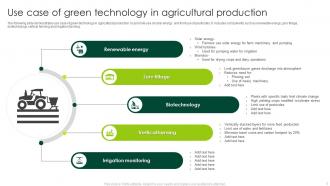
Dude, it's literally everywhere once you notice it. Tesla basically bullied the whole car industry into going electric - pretty genius move honestly. Solar and wind are actually cheaper than fossil fuels now in tons of places (wild how fast that shifted). Manufacturing companies use smart sensors to slash energy waste. Even boring stuff like data centers are getting creative with cooling systems. Agriculture's doing precision farming to cut water use. Oh and shipping's switching to cleaner fuels too. Check what's happening in your own field first - you'd be surprised how much green stuff is already there.
Yeah, green tech is totally changing how people buy stuff. Consumers will literally pay more upfront for eco-friendly options now - cars, appliances, even clothes. They're checking energy ratings, hunting down recycling programs, picking brands that actually care about the environment. It's wild how much it matters in competitive markets. Sustainability went from being a nice bonus to basically required for most buyers. Oh, and if you're developing products or doing marketing? Put those green benefits right up front. People want that transparency about environmental impact - it's what seals the deal these days.
Honestly, green tech pays for itself faster than you'd think. Your energy bills drop, you spend way less on maintenance with stuff like LEDs, and there's usually tax breaks involved. Waste disposal gets cheaper too. Oh and customers actually care about this stuff now - weird but true. I'd probably start with just one or two small changes so the upfront cost doesn't sting as much. Track what you're saving though, because it adds up quick. Most people are shocked when they see the numbers after like six months.
Honestly, IoT sensors are pretty game-changing for environmental stuff. They continuously monitor air quality, water pollution, soil conditions - whatever you need - across massive areas without sending people out constantly. The sensors network together and feed data to central systems where AI spots patterns and flags issues early. What's really nice is getting super specific, location-based data instead of just making educated guesses about what's happening where. Though I'd say start small - pick one thing you want to track first, then build from there. Way less overwhelming that way.
Dude, there's so much out there! Look into renewable energy engineering or environmental science degrees if you want the full university experience. Coursera and edX have some killer courses from top schools - honestly way more convenient than sitting in lecture halls. Trade schools are underrated too for hands-on stuff like solar installation. You can also snag certifications like LEED or Energy Manager to jump straight into specific roles. Wind turbine maintenance pays really well if you don't mind heights. First figure out what part of green tech excites you most, then maybe try 2-3 courses to get your feet wet.
So basically, green tech fights climate change by swapping out dirty energy systems for clean ones everywhere. Solar and wind are kicking out coal plants. Electric cars are cutting emissions big time. There's even tech that sucks CO2 straight from the air - pretty wild stuff honestly. Manufacturing is getting cleaner too. The crazy part? As more people adopt this tech, it gets cheaper and better. Kind of a snowball effect. If you want to help, push for green solutions at work and vote for politicians who'll speed up the rollout. Every bit helps.
-
One word for SlideTeam–Versatile!
-
The pricing page of this website is very sorted. I felt no pain while buying the PPTs.