


Sustainability Powerpoint Ppt Template Bundles




Try Before you Buy Download Free Sample Product
 Impress Your
 Audience
 100%
100% Editable
 Save Hours
 of Time


Our Sustainability Powerpoint Ppt Template Bundles are topically designed to provide an attractive backdrop to any subject. Use them to look like a presentation pro.
People who downloaded this PowerPoint presentation also viewed the following :
Sustainability Powerpoint Ppt Template Bundles with all 20 slides:
Use our Sustainability Powerpoint Ppt Template Bundles to effectively help you save your valuable time. They are readymade to fit into any presentation structure.
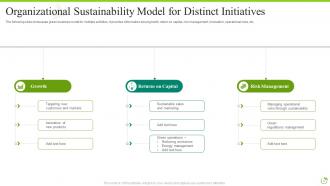
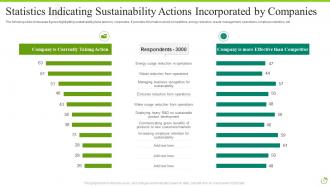
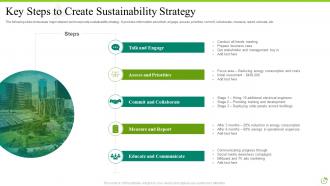
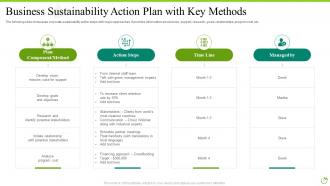






FAQs for Sustainability Powerpoint
Start by actually measuring your energy use and waste - sounds boring but you can't fix what you don't track. Get your employees on board early because they'll make or break this whole thing. Renewable energy, less packaging, greener supply chains are the big moves. But honestly? Focus on stuff that saves money too - paperless operations, better delivery routes. That makes it easier to sell to management. Pick one area for your first 90 days, something you can actually measure, then build from there. Don't try to revolutionize everything at once.
Honestly, sustainability is flipping supply chains upside down everywhere. Companies are going local to slash shipping emissions and switching to green packaging. Fashion's the big one - brands are finally ditching that wasteful fast fashion thing for circular models. Even tech companies are making stuff easier to fix and recycle, which is about time. Supply chains demand way more transparency from suppliers now about their environmental impact. Sure, it costs more upfront. But you save money long-term through better efficiency and less waste. Pretty smart business move if you ask me.
Honestly, renewable energy is your biggest win for sustainability stuff. Solar, wind, hydro - way better than coal and gas obviously. Here's the thing though: fossil fuels cause like 75% of all greenhouse gases, so switching to renewables isn't just trendy, it actually moves the needle. Plus you get energy independence and it's usually cheaper over time (which is nice because everything else is expensive now). If you're trying to figure out where to start, just look at what energy you're using currently and see what's easiest to swap out first.
Start small - unplug stuff when you're not using it and maybe switch to LED bulbs. Walking or biking instead of driving helps tons. Food choices are actually a bigger deal than I realized! Local produce, less meat (even just one day a week), and actually using leftovers before they go bad. I'm terrible at the meal planning thing but it really cuts waste. Transportation's probably the easiest win though. Reusable water bottles, fixing things instead of tossing them - that stuff adds up fast. Just pick like 2 things that don't feel annoying and go from there.
Dude, the numbers actually work out pretty well when you crunch them. Energy and waste cuts save serious money depending on what you do. Revenue-wise, people are buying more sustainable stuff these days - you could grab bigger market share. Oh and you can usually charge more for green products too. The hiring thing is real though, good people want to work somewhere that doesn't suck for the planet. I'd start with an energy audit honestly. Shows you quick wins that pay for themselves fast.
Honestly, tech is what's making all this sustainability stuff actually work now. AI's running energy grids way smarter than humans ever could. IoT sensors are catching waste before it happens - like, your supply chain suddenly knows exactly where things are going wrong. Renewables keep getting dirt cheap too. Even blockchain (I know, I know) is tracking carbon footprints somehow. The cool part? Everything connects. Your energy system talks to your waste system talks to your transport system. Start with whatever's costing you the most resources and Google what solutions are out there already.
Ugh, honestly the whole thing's a mess because there's no standard way to measure this stuff. Companies just make up their own metrics and pick whatever makes them look good. Some focus on carbon, others on waste - it's all over the place. Supply chains make it even worse since they're spread across different countries with sketchy data. Half the time the numbers are missing or inconsistent anyway. I'd stick with third-party certifications like B-Corp or companies using GRI frameworks - at least someone else is checking their work then.
Look, government policies basically set the rules for how easy or hard it is to go green. Carbon taxes, renewable subsidies, emissions rules - they all mess with your business choices. Some are rewards (solar tax breaks), others punish you for polluting. Honestly depends on who's running things at the time. I'd say try to stay ahead of what's coming policy-wise so you're not stuck scrambling later. Actually, my buddy's company got burned by new building codes they didn't see coming. Watch for changes in your industry.
Dude, sustainable design is such a game changer because you're solving problems before they even happen. Instead of dealing with waste and energy issues later, you build solutions right into the product from the start. Plus customers actually get better stuff that lasts longer - win-win. I think companies are finally realizing this isn't just about being "green" anymore, it's smart business. The trick is mapping out the whole journey your product takes, from raw materials all the way to what happens when someone tosses it. Way easier than backtracking later.
Honestly, you've gotta get leadership on board first or it's just gonna flop. Green teams work great - people actually love this stuff when there's real recognition behind it. Training helps too, but don't make it boring corporate nonsense. Simple changes like better recycling stations and letting people work remote make a huge difference. Oh, and tie it back to whatever values your company already talks about. That connection between small daily actions and bigger environmental wins? That's what gets people motivated. Make sustainability part of regular work instead of some separate "initiative" and you'll see way better results.
Honestly, you need both the environmental stuff and business numbers to make this work. Track your energy use, water consumption, waste diversion - the concrete data that shows real impact. But don't ignore ROI because your boss definitely won't. Employee engagement around green initiatives is actually pretty revealing too, which surprised me at first. Instead of chasing random benchmarks, focus on whatever aligns with your actual goals. I'd start small with maybe 3-5 key metrics, get your baseline solid, then add more once you've got momentum going.
Honestly, your wallet is basically your vote when it comes to sustainability. Companies will literally pivot overnight if they see money shifting - remember how fast plastic straws disappeared once people got mad about them? Pretty wild how that worked. When you consistently buy from eco-friendly brands and avoid the wasteful ones, you're creating real market pressure. They have to innovate greener solutions or risk losing customers. Supply chains get reworked. Investment priorities change. The tricky part is doing your homework though - so many companies just slap green labels on stuff without actually changing anything meaningful.
So basically, sustainable farming keeps your soil healthy instead of trashing it with chemicals every season. Your yields become way more predictable over time. Diverse crops handle weather disasters and pests better than those massive single-crop operations - I mean, monocultures are just asking for trouble. You'll save money too since you're not constantly buying expensive fertilizers. The whole thing works because you're thinking long-term, not just about this year's profit. It's like... why would you destroy the thing that feeds you?
Honestly the outlook's pretty good right now. Companies like Patagonia are already killing it with circular models, plus the EU is forcing everyone's hand with new regulations. Investors are finally throwing real cash at this stuff instead of just talking about sustainability. Yeah, upfront costs still suck and infrastructure isn't there yet, but momentum's definitely building. I mean, even small tweaks to how you design products or manage supply chains can make a difference. Worth checking out what makes sense for your specific industry - some sectors are way ahead of others on this.
So basically, don't just stick sustainability in environmental classes - weave it into everything. Campus audits are huge, plus partnering with local green businesses gives students real experience. Case studies beat boring lectures every time, trust me on that one. Let students run sustainability clubs where they can actually make changes happen on campus. The trick is connecting it to whatever career path they're on. Even business majors need to think green these days. I'd start by looking at what you're already teaching and finding spots where sustainability fits naturally - it's probably more places than you'd expect.
-
Exclusive and extensive collection of templates. Really helped me create a professional presentation in just no time.
-
Visually stunning presentation, love the content.