


Sustainability Communication Plan Powerpoint Ppt Template Bundles




Try Before you Buy Download Free Sample Product
 Impress Your
 Audience
 100%
100% Editable
 Save Hours
 of Time


Our Sustainability Communication Plan Powerpoint Ppt Template Bundles are topically designed to provide an attractive backdrop to any subject. Use them to look like a presentation pro.
People who downloaded this PowerPoint presentation also viewed the following :
Sustainability Communication Plan Powerpoint Ppt Template Bundles with all 19 slides:
Use our Sustainability Communication Plan Powerpoint Ppt Template Bundles to effectively help you save your valuable time. They are readymade to fit into any presentation structure.







FAQs for Sustainability Communication Plan Powerpoint
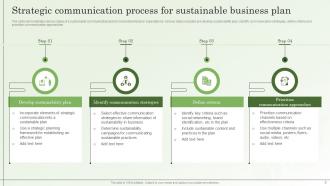
Okay so you'll want four key things: goals that actually connect to your business strategy, figuring out who your audience really is, messaging that doesn't sound like total corporate fluff, and ways to track if it's working. Most companies completely blow the messaging part - they either oversell what they've done or use so much jargon nobody cares. Mix up your content across different platforms too. Reports, social stuff, internal comms, whatever makes sense. Honestly I'd start by looking at what you're doing now and finding the biggest holes. That'll show you where to focus first.
Track your usual stuff first - social media likes, website clicks on your green pages, email opens. But those numbers don't tell the whole story, honestly. What matters more is actual behavior: are people actually recycling more at work? Choosing your eco products over regular ones? I'd survey everyone quarterly to see if attitudes are shifting. The key is setting up simple tracking now (even if it's basic) so you can catch patterns later. Otherwise you're just guessing if anyone actually cares about your sustainability push.
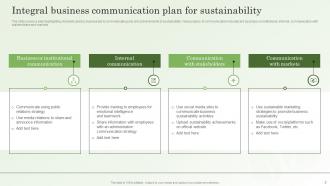
Honestly, you've got to figure out what each group actually cares about first. Employees want different things than investors, obviously. I'd map out your top 5 stakeholder groups and what drives them specifically. Real stories with actual data work way better than generic feel-good stuff - people can smell BS from a mile away. Mix up how you reach them too. Town halls, emails, workshops where they can participate, not just sit there. Social media works for some groups. The trick is being consistent and transparent about failures, not just wins. Oh, and surveys help you understand what's actually resonating instead of guessing.
Honestly, stories beat data dumps every single time. People forget statistics but they'll remember that employee who started composting at work and got the whole office involved. Real stories hit emotionally - way more powerful than charts about carbon reduction. You want something authentic from your actual work, maybe tracking how one community changed after your program launched. Ask your team what sustainability moments made them genuinely excited (not the corporate-speak stuff, the real feelings). Stories spread naturally too since people actually want to share good ones.
Social media's like having a megaphone for your sustainability stuff - you'll reach tons more people than old-school methods. People actually love sharing eco content (makes them feel virtuous, I guess), so your message spreads itself. The visual aspect is perfect for before/after pics and progress updates. You can show behind-the-scenes moments and actually talk WITH your audience instead of just broadcasting at them. Quick wins do really well too. Don't spread yourself thin though - pick 2-3 platforms where your people actually spend time and focus there first.
Honestly, don't treat sustainability like some separate marketing campaign you slap on later. Weave it right into your actual brand story from the start. Figure out what environmental stuff already matches your vibe - like if you're the innovative type, maybe focus on clean tech. But here's the thing: you absolutely cannot fake this. People spot greenwashing instantly and it'll backfire hard. Your actions have to match your words, period. Share the real journey too - your wins, your screwups, what you learned. That builds way more trust than just announcing some fancy goals. Oh, and make sure it shows up consistently everywhere, from your Instagram to your packaging.
Honestly, the two big things that'll trip you up are making it too complicated and dealing with cynics. Carbon accounting sounds boring as hell to most people - they just want to know "are we helping the planet or not?" So you're always trying to simplify without dumbing it down. Then you've got folks who think everything's greenwashing or they've heard totally different info somewhere else. Oh, and watch out for throwing around words like "circularity" - nobody knows what that means. Pick one solid example to start with instead of cramming everything in at once.
Honestly, you've gotta stop with the one-size-fits-all approach first. Break down your audiences - investors want hard numbers and ROI data, customers care about values matching up with their purchases. Employees? They're looking at workplace culture and how green stuff affects their actual jobs. Each group needs different language too. Save the technical reports for B2B folks, but tell stories that hit people in the feels for regular consumers. Oh, and peer comparisons work great for competitive industries. Map out maybe 3-4 main audience types and figure out what sustainability pain points they actually have. Way more effective than generic "save the planet" messaging everywhere.
Honestly, don't get caught up measuring everything at once - pick like 3-4 metrics that actually matter for your goals. Sure, track the obvious stuff: survey results, social engagement, website hits on your sustainability pages. But here's what I've learned - those vanity metrics are pretty useless if people aren't actually changing what they do. Are employees joining green initiatives? Customers buying differently because of your messaging? That's the stuff that counts. Oh, and sentiment analysis is clutch for seeing if people actually care or just tolerate your content. Start small though.
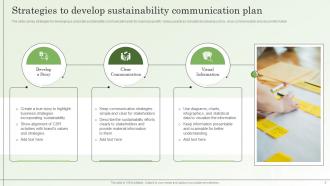
Honestly, visuals are a game changer for sustainability stuff. People just connect better with infographics than boring spreadsheets - I mean, who doesn't? Before/after shots are gold for showing actual impact. Charts make complex data way less intimidating too. Videos work great for testimonials or showing processes in action. Match your visual to what you're trying to say though - timelines for progress, maps when you're talking geography, icons to break up walls of text. Start with your best data points, then figure out what format makes them actually interesting. Trust me, it's worth the extra effort.
Okay so transparency is huge - don't cherry-pick data or oversell where you actually are. Be real about wins AND failures. Also, make sure you're reaching the communities that are actually impacted, not just preaching to people who already agree with you. That's where it gets sketchy ethically. Oh and definitely fact-check everything with someone who knows data - getting called out publicly is brutal. I've seen companies tank their reputation over one dodgy claim. Just be authentic and back up whatever you say with solid proof.
NGOs are honestly your best bet for sustainability stuff that doesn't sound fake. They've got actual street cred with people, so when they back your project, it looks legit instead of like another corporate PR stunt. These groups know what matters locally too – I've watched companies bomb so hard trying to wing it solo. Find 2-3 orgs whose missions actually match yours (not just whoever responds first). Then pitch them real collaboration ideas, not some wishy-washy "let's partner" nonsense. Their audiences will trust you way more when you're working together.
Oh, Patagonia's "Don't Buy This Jacket" campaign is perfect for this! They straight up told people not to buy their stuff on Black Friday - sounds insane but it worked amazingly for brand loyalty. IKEA does this well too with their "Wonderful Everyday" thing, focusing on small changes instead of being preachy about it. Unilever's sustainable brands consistently crush it because they make it feel doable, not overwhelming. Honestly, guilt-tripping people never works. The best ones make you feel like you can actually make a difference. I'd start by figuring out exactly what you want people to do, then build from there.
Honestly, you've gotta make it personal for each person's actual job. Tell them real stories - like how marketing's digital campaigns cut paper waste by 40%. Quick team check-ins work way better than those quarterly reports everyone ignores. Mix it up with dashboards, maybe some friendly competition between departments (people eat that stuff up). Show them the wins and celebrate together. But here's the thing - start by asking for their ideas first. They'll actually care more when they help build the thing, you know? Small steps, but make sure they see the progress happening.
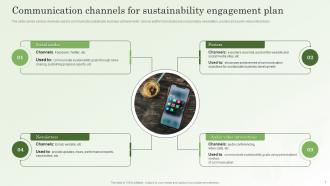
Honestly, start simple with just Slack or Teams for internal stuff - keeps everyone in the loop without drowning in emails. LinkedIn's a no-brainer for the external messaging, plus your website obviously. I still swear by email newsletters though, way more effective than people think. Oh and get Hootsuite or something similar because manually posting everywhere will make you want to scream. Maybe throw up a sustainability page on your intranet too? But seriously, pick like 2-3 platforms first. You can always add more once you're not scrambling to create content every week.
-
Satisfied with the way SlideTeam resolved my query regarding the right business PPTs that I was having difficulty finding. I found the perfect match with their assistance.
-
Much better than the original! Thanks for the quick turnaround.