


Research Outcomes Powerpoint Ppt Template Bundles




Try Before you Buy Download Free Sample Product
 Impress Your
 Audience
 100%
100% Editable
 Save Hours
 of Time


Our Research Outcomes Powerpoint Ppt Template Bundles are topically designed to provide an attractive backdrop to any subject. Use them to look like a presentation pro.
People who downloaded this PowerPoint presentation also viewed the following :
Research Outcomes Powerpoint Ppt Template Bundles with all 15 slides:
Use our Research Outcomes Powerpoint Ppt Template Bundles to effectively help you save your valuable time. They are readymade to fit into any presentation structure.

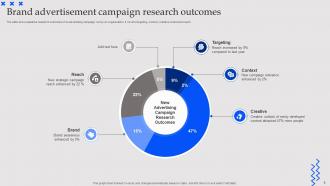
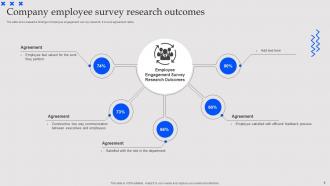
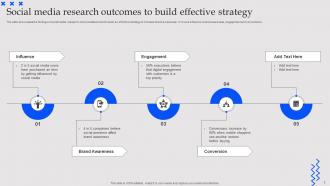





FAQs for Research Outcomes Powerpoint
Honestly depends on what you're doing research-wise. STEM folks obsess over citation counts, h-index, and journal rankings - plus how much grant money you can pull in. Social sciences care about citations too, but also book publications and whether policymakers actually listen to you. Humanities is trickier - monographs matter, peer recognition, cultural stuff. Though measuring "impact" in humanities still feels super awkward to me lol. Business research? They want to see if practitioners actually use your work. Oh, and everyone's getting into alt-metrics now - social media mentions, downloads, that kind of thing. My take: pick 2-3 metrics your field actually cares about and stick with those. Don't drive yourself crazy tracking everything.
So quantitative data gives you the hard numbers - perfect for proving things work or convincing your boss who's obsessed with metrics. Qualitative stuff tells you WHY people do what they do. Like, the stories behind the numbers. Both are pretty useful tbh. Numbers work great when you need definitive proof or want to track performance. But if you're trying to figure out what's actually bothering users or exploring new problems, go qualitative. The real magic happens when you use both together though - gives you the complete picture instead of just half the story.
So peer review is basically other experts checking your work before it gets published. They'll tear apart your methods, question your data, maybe call out stuff you missed - honestly kind of brutal but it works. Think of it like having your smartest colleagues proofread your paper, except they're way more critical. Short version: reviewers catch errors and biases that make research stronger. When you're looking at studies, always check if they went through peer review at a decent journal first. It's not foolproof but it weeds out most of the garbage.
Okay so here's the thing - ditch all that academic jargon and talk like a normal person. People want to know why they should care about what you found, not how you found it. Use analogies or stories they can actually connect with (this is honestly where most researchers totally bomb). Keep your visuals super simple. My advice? Test it on your mom or whoever first. If they nod along and ask follow-up questions, you nailed it. You're not dumbing anything down - you're just making it make sense to people who don't live in your research bubble.
Think about who actually gets helped or hurt by how you share your research. Don't oversell your results just because they look cool - I've seen that backfire badly. Make sure the communities who need your findings can actually access them, not just other academics. Participant confidentiality is huge if you're working with sensitive stuff. Also, check if your sharing methods accidentally shut out groups who'd benefit. Oh, and definitely run your plan by the ethics board first - way easier than dealing with problems later. Transparency about limitations and conflicts matters too.
Tech has seriously changed how we do research data - like, it's crazy different now. You can pull huge datasets with automated tools and sensors instead of doing everything by hand. Machine learning spots patterns you'd totally miss otherwise. Cloud platforms let your whole team work on analysis together, which is pretty sweet. But (and this is kinda important) algorithms can mess things up if they're biased. I learned this the hard way on a project last year. Always double-check your tech results with some human common sense - computers aren't perfect.
Money talks, unfortunately. Pharma companies funding your research? There's gonna be pressure to make them look good, even if it's subconscious. Government grants can be just as sketchy when politics get involved. I've seen researchers struggle with industry funding because they control what you can publish - total pain. Academic grants are better but you still end up chasing whatever's trendy or "fundable" that year. Best thing you can do is be upfront about who's paying. Document everything carefully and stick to solid methods. Won't solve everything but at least people know where the money came from.
Honestly, just focus on the basics first - randomize properly and get a decent sample size. Control groups are clutch when you can swing them. Pre-register your study design though, trust me on this one, it'll save you from second-guessing yourself later. Standardize how you collect data so other people can actually replicate what you did. Oh, and blind your participants and researchers if possible - cuts down on bias big time. Write out your whole methodology before touching any data. Sounds boring but it forces you to catch problems early instead of scrambling later.
Working with people from other fields is honestly a game-changer. You get this mix of different methods - like combining hard data with more human-centered research - that gives you way better insights. Plus you're forced to explain your work to someone who doesn't know your jargon, which actually makes you think clearer about what you're doing. Each discipline has its own standards too, so your final results end up being way more solid. I'd say start small though - find someone in another department working on similar stuff and just try one project together. You'll be surprised how much you learn.
Dude, you gotta get your research team talking to the actual people who'll use this stuff. Find your key players early - industry folks, policymakers, whoever. Build some prototypes first to test if it even works in the real world (honestly this part sucks way more than the research itself lol). Partner up with orgs that already have the infrastructure you need. Don't just write academic papers - create guides people can actually follow. Oh and stick around during rollout because things always break and you're the only one who knows how to fix them.
So basically the replication crisis is this whole mess where tons of famous studies - especially in psych and medicine - couldn't be repeated when other scientists tried. Pretty wild that we built so many policies on research that turned out to be bogus, right? At least it's forcing everyone to share their data now and be way more transparent about methods. My advice? Don't trust single studies anymore. Look for stuff that's been replicated a bunch of times before you make any big calls. Also check if the raw data's actually available - that's usually a good sign.
Oh man, don't cherry-pick data just because it supports what you want to find - I've seen so many people do this! Also, correlation isn't causation (classic mistake). Small sample sizes are dangerous for making big claims, and honestly? Statistical significance doesn't always mean it matters in real life. That one bit me early on lol. Negative results still count as results - report them anyway. My biggest tip is writing down your analysis plan beforehand and sticking to it. Trust me, reviewers will grill you later if you don't.
Don't just grab the studies that back up what you want to find - I know it's tempting though. Look at why the results are all over the place. Different sample sizes? Weird populations? Maybe their measurement tools sucked. Here's the thing: those conflicts might actually show you something important about when your thing happens vs when it doesn't. You'll want to call out these messy differences in your lit review and use them to justify how you're setting up your study. The whole point isn't ignoring conflicting stuff but figuring out what's causing the chaos.
Dude, open access basically tears down those insane paywalls so anyone can read research without dropping hundreds on journal subscriptions. Game changer for researchers in poorer countries or small schools who can't afford access. Scientific progress moves way faster too since findings spread quicker when they're free. Honestly, academic publishing fees are such a scam anyway. You'll get more citations, better collaboration, and your work might actually influence real policy instead of just sitting behind a paywall. If you're publishing, definitely look into open access journals or at least throw your preprints up somewhere.
Honestly, visual aids are a game changer for presenting research. Charts and graphs tell your story way better than walls of text - nobody wants to stare at spreadsheets, trust me. They grab attention and make complex data actually make sense. Some people are just visual learners too, so they'll get your point from a good chart faster than reading through paragraphs. Trends and patterns pop out immediately. Oh, and they keep your audience awake during presentations, which is always a win. Just don't go crazy - one solid visual per main finding works best.
-
Use of different colors is good. It's simple and attractive.
-
You can rely on SlideTeam whenever you run out of designs for your presentation. Thank you so much SlideTeam!