


Assessment Findings Powerpoint Ppt Template Bundles




Try Before you Buy Download Free Sample Product
 Impress Your
 Audience
 100%
100% Editable
 Save Hours
 of Time


Our Assessment Findings Powerpoint Ppt Template Bundles are topically designed to provide an attractive backdrop to any subject. Use them to look like a presentation pro.
People who downloaded this PowerPoint presentation also viewed the following :
Assessment Findings Powerpoint Ppt Template Bundles with all 17 slides:
Use our Assessment Findings Powerpoint Ppt Template Bundles to effectively help you save your valuable time. They are readymade to fit into any presentation structure.
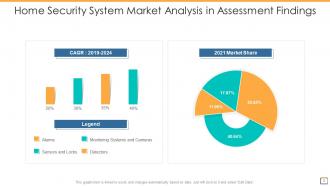
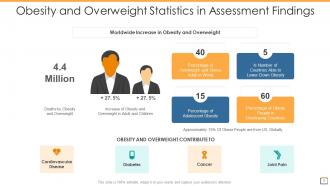
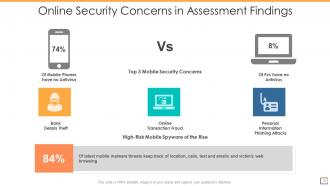






FAQs for Assessment Findings Powerpoint
Assessment findings on presentation effectiveness typically utilize methodologies including audience surveys, focus groups, behavioral analytics, A/B testing, and expert evaluations. These approaches streamline feedback collection by capturing real-time engagement metrics, post-presentation retention rates, and audience comprehension levels, with many organizations finding that combining quantitative data with qualitative insights ultimately delivers more comprehensive understanding of presentation impact and competitive advantage.
Assessment findings inform template design by identifying audience preferences, content complexity levels, visual hierarchy needs, and information processing patterns. These insights enable designers to create layouts with optimal font sizes, color schemes, and structural elements that enhance comprehension and engagement, with many organizations finding that data-driven template design significantly improves presentation effectiveness and audience retention rates.
Common themes from assessment findings regarding audience engagement include declining attention spans, preference for interactive content, mobile-first consumption patterns, demand for personalized experiences, and increased expectations for real-time responses. These insights enable organizations to enhance their communication strategies by implementing multimedia presentations, responsive design approaches, and targeted messaging systems, with many finding that addressing these patterns ultimately delivers higher participation rates and stronger customer relationships.
Assessment findings improve user satisfaction by identifying design preferences, content requirements, usability issues, and accessibility needs that directly inform template optimization. Through systematic feedback analysis, organizations can streamline template navigation, enhance visual appeal, and ensure content relevance, with many companies finding that data-driven template improvements significantly increase user adoption rates and presentation effectiveness.
Key metrics include audience engagement rates, message retention scores, presentation completion times, visual clarity assessments, and brand consistency ratings. These evaluation criteria streamline template optimization by measuring cognitive load, information hierarchy effectiveness, and visual appeal consistency, with many organizations finding that systematic assessment ultimately delivers more impactful communications and enhanced presenter confidence across teams.
Cultural considerations significantly impact assessment findings by influencing color interpretation, visual hierarchy preferences, communication styles, and symbolic meanings across different audiences. These cultural factors affect how stakeholders perceive design effectiveness, with many international organizations finding that culturally-adapted presentations deliver higher engagement rates and clearer message comprehension, ultimately enhancing global communication outcomes.
Assessment findings directly influence template customization by identifying specific organizational needs, performance gaps, skill requirements, compliance standards, and target audience preferences. These insights enable template designers to offer relevant modification options, variable content sections, and scalable formatting choices, with many organizations finding that assessment-driven customization delivers more effective presentations and streamlined content development processes.
Assessment findings reveal increasing adoption of interactive visualizations, data-driven narratives, mobile-optimized content, personalized storytelling experiences, and AI-enhanced visual elements across organizations. These trends streamline communication by enhancing audience engagement, improving information retention, and delivering more compelling presentations, with many companies finding that strategic visual storytelling ultimately drives better decision-making and competitive advantage.
Assessment findings identify barriers like insufficient color contrast, missing alt text, unclear navigation paths, and incompatible screen reader elements within presentation templates. Through systematic evaluation, organizations can prioritize modifications such as enhanced visual hierarchies, descriptive text alternatives, and keyboard navigation compatibility, ultimately delivering more inclusive content experiences and broader audience reach across diverse accessibility needs.
User feedback serves as a critical validation mechanism for assessment findings, providing real-world perspectives on usability, functionality, and overall effectiveness that complement quantitative data. This input enables organizations to identify gaps between theoretical performance and practical application, with many companies finding that incorporating user insights into their assessment processes leads to more accurate evaluations, improved product development, and ultimately enhanced customer satisfaction and competitive positioning.
Assessment findings reveal how cognitive load theory impacts presentation effectiveness by identifying when audiences experience information overload, processing delays, or comprehension barriers during content delivery. These findings guide presenters in streamlining slide design, reducing extraneous visual elements, and structuring information hierarchically, ultimately enabling clearer communication and better audience retention across educational and business environments.
Demographic factors influencing assessment findings include age, industry sector, organizational role, company size, and geographic location. These variables significantly impact presentation preferences and effectiveness, with younger professionals favoring interactive formats while senior executives prefer concise summaries, and industries like healthcare requiring different visual approaches than technology sectors, ultimately delivering more targeted and successful communication strategies.
Companies leverage assessment findings by identifying skill gaps, customizing training modules, setting measurable improvement targets, and creating personalized development paths for employees. Through targeted workshops addressing specific weaknesses like storytelling or data visualization, organizations streamline their training investments while delivering enhanced presentation capabilities, with many finding that focused development programs ultimately boost employee confidence and business communication effectiveness.
Recent assessment findings have driven innovations like modular template architectures, adaptive visual hierarchies, dynamic data visualization components, and mobile-responsive design frameworks in presentation templates. These design advances streamline content creation, enhance audience engagement, and improve cross-platform compatibility, with many organizations finding that these strategic innovations ultimately deliver more impactful presentations and competitive advantage.
Assessment findings should be reviewed quarterly for operational assessments and annually for strategic evaluations, with immediate updates triggered by significant organizational changes, regulatory shifts, or performance deviations. This systematic approach ensures findings remain actionable and relevant, with many organizations finding that regular review cycles enhance decision-making accuracy, improve risk management, and ultimately deliver sustained competitive advantage in increasingly dynamic business environments.
-
Very unique, user-friendly presentation interface.
-
Understandable and informative presentation.