


Marketing Information System Powerpoint Ppt Template Bundles




Try Before you Buy Download Free Sample Product
 Impress Your
 Audience
 100%
100% Editable
 Save Hours
 of Time


Our Marketing Information System Powerpoint Ppt Template Bundles are topically designed to provide an attractive backdrop to any subject. Use them to look like a presentation pro.
People who downloaded this PowerPoint presentation also viewed the following :
Marketing Information System Powerpoint Ppt Template Bundles with all 23 slides:
Use our Marketing Information System Powerpoint Ppt Template Bundles to effectively help you save your valuable time. They are readymade to fit into any presentation structure.





FAQs for Marketing Information System Powerpoint
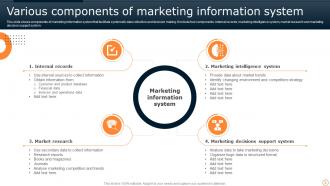
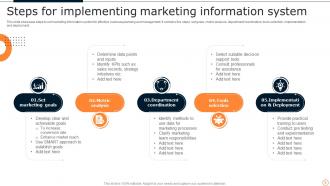
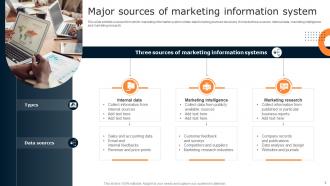
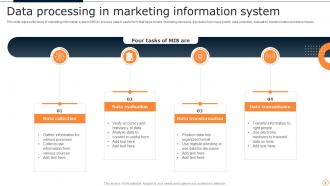
So there are four main parts to a Marketing Information System. Internal data comes first - sales records, customer info, financial stuff. Marketing intelligence is next, which is just watching competitors and tracking market trends through reports and social media. Then you've got marketing research - surveys, focus groups, those kinds of studies for specific decisions. Analytical tools are the fourth piece, helping you actually understand all that data. Honestly, the biggest thing is making sure these don't become separate silos. If they can't communicate with each other, you're basically collecting useless information that won't help anyone make smarter choices.
Look, an MIS just puts all your market data in one spot so you're not guessing anymore. Real-time customer insights, sales trends, competitor stuff - it's all there when you need it. Way better than making decisions on hunches, trust me. You can pivot campaigns fast, catch new opportunities, dodge expensive screwups. The data thing actually works like a crystal ball but with real numbers backing it up. Oh, and start small - figure out what metrics you need to check daily first, then expand. Don't try to track everything at once.
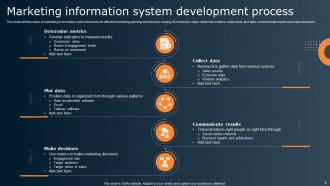
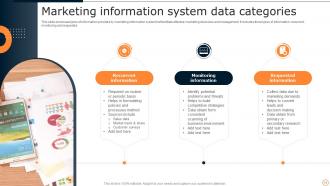
Honestly, data collection is make-or-break for your MIS. Think of it as the foundation - crappy data in means crappy insights out. You'll want solid, timely info from everywhere: customer touchpoints, sales numbers, market research, competitor stuff. The whole deal. I watched one team last year build this gorgeous analytics setup, then realize their data sources were total garbage from the start. What a mess. Short sentences work too. Before you buy any fancy new tools, audit what you're already collecting and spot the gaps. Trust me on this one - fix your data pipeline first or you're just making expensive pretty charts that lie to you.
So basically you want to hook up your social platforms to your MIS using APIs or tools like Hootsuite. Pull in engagement rates, sentiment stuff, demographics - all that good data. The real pain though is making sure it actually syncs with your customer databases. Otherwise you're just staring at useless numbers, which honestly happens more than it should. I'd start with just one platform, nail that integration first. Then build dashboards that mix your social data with sales and customer service info so you can see what's actually happening. Once that's solid, add more platforms.
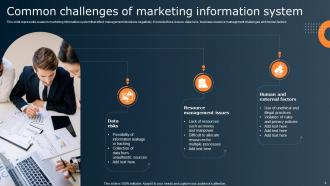
Honestly, the biggest pain is getting everyone on the same page - sales hates changing how they report stuff, IT thinks your timeline is nuts. Data quality becomes a nightmare too because if you're feeding bad info in, you're getting garbage out. Oh, and figuring out which metrics actually matter vs just look cool on a dashboard? Way harder than it sounds. Budget creep happens to literally everyone. Start with something small first - pick one problem that's driving people crazy and solve that. Get the key people involved from day one or you'll be fighting uphill battles forever.
Dude, real-time data is seriously a game changer. Instead of waiting weeks for some boring report, you get live updates on what customers are actually doing right now. Sales dropping? Pivot immediately. Something's working great? Double down fast. I honestly can't believe companies still use that old "wait and see" method - it's like driving with your eyes closed. Your marketing gets so much more responsive when you're reacting to actual behavior instead of month-old data. Just figure out which metrics actually matter for your campaigns first, then set up some alerts. Trust me on this one.
So basically, an MIS gives you tons of data to figure out your customers. You can dig into their buying habits, demographics, how they behave - all that good stuff to create different customer groups. It tracks everything from how often people buy to which channels they prefer. Pretty much like having a crystal ball, honestly. Then you segment based on profitability or whatever matters to your business. The best part? Most of this gets automated so you're not stuck doing Excel hell all day. Oh, and definitely figure out which segments actually matter to your goals first - saves you time later.
Ugh, data quality is such a pain but you gotta nail the basics first. Set up validation rules when people enter stuff - required fields, format checks, that kind of thing. We got burned last year when bad data totally screwed our campaign, so now I'm paranoid about it lol. Run audits monthly if you can swing it. Automated alerts help catch weird duplicates and outliers. Oh, and make someone actually own each data source - accountability matters way more than you'd think. Honestly, start by auditing what you have now. You'll probably find some sketchy stuff hiding in there.
Start with a good CRM - that's where all your customer stuff lives. Then grab Google Analytics for website data and maybe SurveyMonkey for surveys. Social listening tools like Hootsuite are pretty useful too, plus some competitive intel platforms. Honestly though? The whole tech stack thing gets crazy overwhelming super fast. I'd say keep it simple at first. The real trick is finding tools that actually play nice together - nobody wants data stuck in random places that don't connect. Pick a few that integrate well, then add more later once you've got the basics down.
Honestly, MIS is a lifesaver for tracking actual marketing ROI instead of just throwing money around and hoping something works. You'll get all your campaign costs, leads, and conversions in one place so you can finally see what's worth it. The automated tracking means no more spreadsheet hell (thank god). Plus you can follow customers from their first click all the way to purchase. I'd probably start with your biggest campaigns first since that's where you'll see the most impact. Then just add more channels as you go. Way better than guessing which ads actually convert.
Okay so honestly, there are three big things you can't mess up with your MIS: data privacy, accuracy, and being transparent about what you're doing. Only grab data people actually said yes to - trust me, nobody wants to feel like they're being watched. Double-check your sources and don't let bias creep into your sampling. Oh, and even if the data sucks and your team hates it, don't cherry-pick the good stuff. That'll bite you later. Building trust is everything here. Maybe make a quick checklist your team can use before diving into big projects?
So basically, your MIS looks at all your past data and uses machine learning to spot trends before they hit big. Customer behavior, seasonal stuff, what competitors are doing - it crunches all that to predict demand changes and what people will want next. Honestly, it's pretty cool how accurate these systems can get. You'll see predictions on everything from which products will take off to when customers might bail. The catch? You need really clean data from everywhere - sales, website, social media, whatever. Garbage in, garbage out, you know?
So basically, MIS is like your big data warehouse that collects everything from all your marketing channels. CRM sits on top of that - it's just focused on customer stuff specifically. The MIS feeds customer data into your CRM, and then the CRM sends interaction data back. They work together constantly. Here's the thing though - and I learned this the hard way - you absolutely need to check that they integrate well before buying either one. Nothing's worse than systems that can't talk to each other. It's honestly such a headache when your data gets siloed.
Honestly, you don't need to drop serious cash on this stuff. Start with the basics - Google Analytics is free, Facebook gives you insights, and just make surveys with Google Forms. Most businesses are sitting on goldmines of data in their email lists and sales records but they're not organizing it (which drives me nuts). Pick like 3-4 metrics that actually move the needle instead of tracking every little thing. I've literally watched companies blow thousands on dashboards when Excel would've worked fine. Just spend 30 minutes each week looking at your numbers and doing something about them.
For your MIS, focus on revenue, ROI, customer acquisition cost, and profit margins first. Those are the ones that actually matter. Then throw in conversion rates, website traffic, and customer lifetime value so you can see how people interact with your stuff. Retention rates matter too - honestly, they're probably more important than most people think. Skip follower counts unless they're driving real money. Oh, and lead quality scores are huge if you're doing B2B. Start with maybe 6-7 metrics your team can actually use instead of tracking everything under the sun.
-
Unique research projects to present in meeting.
-
Easily Understandable slides.