

Price Mapping Powerpoint Ppt Template Bundles




Try Before you Buy Download Free Sample Product
 Impress Your
 Audience
 100%
100% Editable
 Save Hours
 of Time


Our Price Mapping Powerpoint Ppt Template Bundles are topically designed to provide an attractive backdrop to any subject. Use them to look like a presentation pro.
People who downloaded this PowerPoint presentation also viewed the following :
Price Mapping Powerpoint Ppt Template Bundles with all 17 slides:
Use our Price Mapping Powerpoint Ppt Template Bundles to effectively help you save your valuable time. They are readymade to fit into any presentation structure.





FAQs for Price Mapping Powerpoint
Dude, it's basically keeping tabs on what your competitors charge for stuff - across different products, stores, whatever. You gotta do this or you're flying blind with your pricing. Like, are you charging way too much? Too little and leaving money on the table? No clue without checking. I mean, customers will just go elsewhere if you're off. The tricky part is staying on top of it since prices shift all the time. Can't just check once and call it good. It's honestly like having a pricing GPS - sounds dorky but it works.
So price mapping is basically psychological manipulation but in a good way lol. You put your expensive stuff next to the mid-range options, and suddenly customers think they're being super smart choosing the middle price. That $8 coffee feels totally reasonable when there's a $12 one right there. Works every time. Position your most profitable items as the "goldilocks" choice - not too cheap, not crazy expensive. People love feeling like they found the perfect deal. It's wild how predictable we all are with money decisions honestly.
So most teams start with web scraping tools - Scrapy or Octoparse are pretty solid. Then they just throw everything into Excel or Google Sheets. Excel gets super messy though once you're tracking like hundreds of products. I learned that the hard way lol. For bigger catalogs, dedicated platforms like Prisync or Competera are way cleaner since they automate everything and give you actual dashboards. Manual spreadsheet tracking works fine if you're just starting out with maybe 50 items or less. After that? You'll want something automated or you'll go crazy.
Retail price mapping is pretty straightforward - you're just comparing your Nike sneakers to what Target or Foot Locker charges. Same products, easy comparisons. Services? Totally different beast. You can't really compare consulting hours or haircuts the same way since there's no standard "product." Quality matters way more with services - like, a $20 haircut isn't the same as a $60 one, you know? I'd focus more on what value you're actually delivering rather than straight price comparisons. Oh, and software subscriptions are weird too because feature sets vary so much between companies.
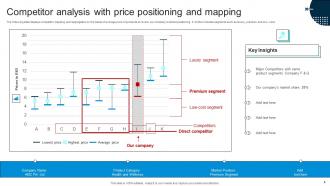
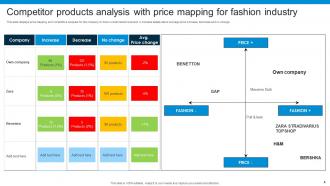
Honestly, competitor analysis is what makes price mapping actually work. Track your top 3-5 competitors monthly - yeah it's boring as hell but you need to see their prices across different segments and regions. Shows you where you're positioned and if you're leaving money on the table or pricing yourself out. I'd focus on how they react to market shifts too, gives you clues about their strategy. You might discover you're way underpriced in certain areas or find gaps where you can push margins higher. Build it up gradually though - don't try to track everyone at once or you'll burn out.
So basically, you plot your prices against sales volumes and see where the drama happens. When you spot those steep drops after tiny price bumps? That's your highly elastic stuff right there. The visual gaps show you sweet spots and total no-go zones - honestly saves you from those "whoops, nobody's buying anymore" disasters. Different market segments will show completely different patterns too. I'd map this every quarter because customer sensitivity shifts way more than you'd think. Short drops = highly elastic. Flat lines = you've got more pricing flexibility there.
Honestly, the biggest thing that'll bite you is not updating your price maps often enough. Markets move fast and your data gets stale quick. Most teams only look at direct competitors but you really need substitute products too - like, if you're selling laptops, tablets might matter more than you think. Don't just use one data source since prices vary like crazy across different channels. The worst part though? Over-automating everything without checking manually first. Algorithms totally miss stuff like promos or weird bundle deals. I'd start by hand-checking your main product mappings before you scale anything up.
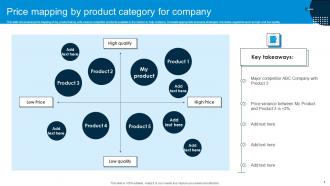
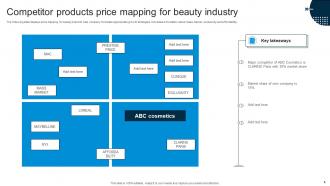
So basically you map out where your product sits against competitors - super helpful for positioning instead of just winging it. When you plot everything out, you'll spot market gaps that are honestly pretty obvious once you see them visually. Like maybe there's this perfect middle ground between cheap and expensive stuff that everyone's ignoring? From there you can either tweak your messaging to fit your current price or move your pricing around to match your brand vibe. I'd start with your top 5 competitors and just see what jumps out. The patterns are usually more interesting than you'd expect.
So price mapping is basically your secret weapon for staying competitive. You track what competitors are charging across different platforms and spot where there's gaps in the market. Honestly, it's kind of addictive once you start seeing the patterns. The cool part? You can set up automated rules that adjust your prices based on what you're seeing - like staying within 5% of a competitor or bumping prices when demand spikes. I'd start simple though. Pick your top 5 competitors and map their key products first, then build from there. It's like having eyes on the competition 24/7.
Timing is everything with price mapping - seasonal trends will mess up your data if you're not paying attention. Ski gear in July vs December? Completely different story. I learned this the hard way when I was comparing summer prices and couldn't figure out why everything seemed so cheap. You need consistent timing or adjust for seasonal patterns. Map during the same periods each time, or better yet, track both peak and off-seasons. That way you'll actually see what competitors are doing year-round instead of getting a random snapshot.
Start with competitive price positioning - basically how often you're matching, beating, or losing to competitors across different product lines. Revenue per product and margin impact are no-brainers (who wants to win on price but tank their profits?). Track market share changes and conversion rates after you adjust pricing. Customer acquisition costs matter too since they show if your pricing moves actually drive smart growth. Oh, and don't forget price gap percentages plus how frequently you're making changes. Build from these basics, then add category-specific stuff depending on your business.
Honestly, just be super transparent about everything and don't do anything that looks like you're coordinating with competitors on pricing - that stuff can get you in serious legal trouble. Privacy matters too when you're collecting customer data for comparisons. Don't cherry-pick old prices to make yourself look better either, people hate that. Document whatever method you're using (boring but necessary) and definitely run it by your legal team first. The whole point should be actually helping customers, not just making your prices look amazing. Short version: be fair, be honest, cover your ass legally.
So price mapping basically shows you what everyone else is charging in real time, which helps predict what'll sell. When competitors drop prices, you know demand might spike for that product. Stock up early instead of scrambling later. Historical data is gold too - you'll spot seasonal patterns and figure out which items are price-sensitive. Honestly, it's like having a heads up on what customers will want next month. Oh, and don't try mapping everything at once. Start with your best-selling 20% of products first - that's where you'll actually see results.
So basically you figure out your different customer groups first - like who's willing to spend more vs. bargain hunters. Then you map out where your prices sit for each group. Honestly, seeing it visually is kind of a game-changer because you'll spot obvious gaps right away. Maybe you're missing a mid-tier product, or you could bump prices for your premium customers who don't seem to care about cost. I'd start simple though - just plot your current stuff against your main customer types and see what jumps out. You'll probably find some quick wins hiding in there.
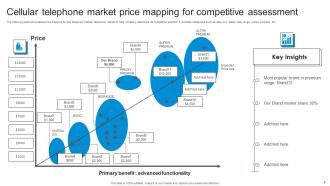
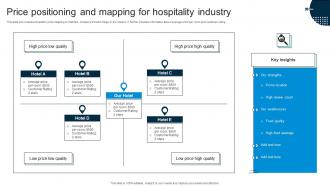
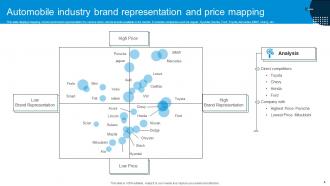
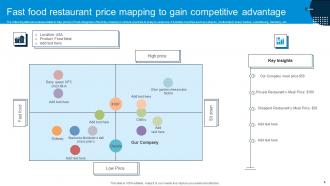
So price mapping is basically plotting where your stuff sits compared to everyone else's - you'll see gaps where nobody's competing and spots where it's crazy crowded. Plot your top 10 competitors first. Look for those empty price ranges where you could slide in a new product. Also helps you figure out if you've got too many similar things at the same price point (happens more than you'd think). Short version: it shows you exactly where to focus your energy instead of just guessing what might work. Super helpful for spotting those sweet spots competitors missed.
-
I was never satisfied with my own presentation design but SlideTeam has solved that problem for me. Thank you SlideTeam!
-
Fantastic and innovative graphics with useful content. The templates are the best and latest in the industry.