


Brand Key Powerpoint Ppt Template Bundles




Try Before you Buy Download Free Sample Product
 Impress Your
 Audience
 100%
100% Editable
 Save Hours
 of Time


Our Brand Key Powerpoint Ppt Template Bundles are topically designed to provide an attractive backdrop to any subject. Use them to look like a presentation pro.
People who downloaded this PowerPoint presentation also viewed the following :
Brand Key Powerpoint Ppt Template Bundles with all 17 slides:
Use our Brand Key Powerpoint Ppt Template Bundles to effectively help you save your valuable time. They are readymade to fit into any presentation structure.
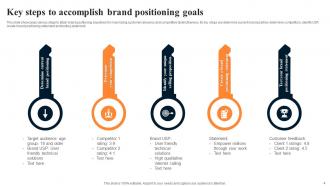
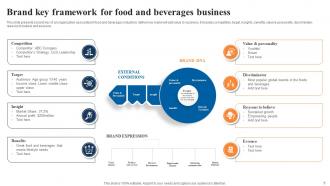
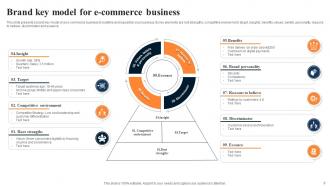
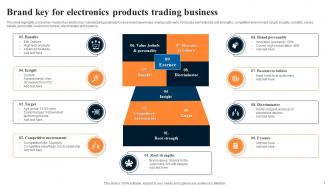





FAQs for Brand Key Powerpoint
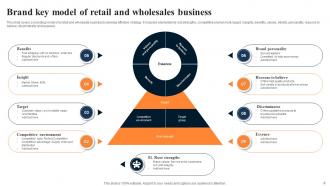
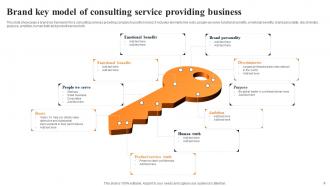
So for your brand key template, you'll want these basics: target audience (who you're talking to), competitive frame (what space you're playing in), your main benefit, and proof points that back it up. Oh, and brand character - like your personality vibe. Some people add brand purpose but honestly? That just makes it messy. Keep each part super tight - one sentence tops. I always think of it like your brand's elevator pitch but chopped up into bite-sized pieces. Start with a simple one-page thing and run it by your team first to see what clicks.
Think of it as your brand's cheat sheet - everything important lives in one doc. You'll map out who you're targeting, what makes you different, your vibe, all that good stuff. Honestly, most brands just wing it and wonder why their messaging feels all over the place. This template keeps your whole team on the same page, whether they're writing ads or answering customer emails. I'd actually start by doing one for your current brand first - you might be surprised by the gaps you find. Way better than guessing what your brand should sound like every single time.
So basically a brand key template stops your marketing team from constantly asking "wait, what's our voice again?" It gives everyone the same playbook - target audience, benefits, personality stuff. Game changer when you're working with freelancers who need to get up to speed fast. You just reference it instead of starting from scratch every single campaign. Honestly saves so many pointless meetings. Fill one out for your main brand first. Then maybe do smaller ones for different products if you have them? Trust me, you'll actually have time to create instead of debating messaging constantly.
Look, customer perception is basically the backbone of your whole brand template. People's current view of your brand vs. where you want to be? That's your roadmap right there. Sometimes what you think you're communicating and what customers actually hear are completely different things - happens more than you'd think. Their perceptions directly shape which benefits you highlight and how you position against competitors. Short sentences work too. I'd start by digging through customer feedback first to spot those perception gaps before you lock anything down. Otherwise you're just guessing.
Honestly? Most brands think they know how customers see them but they're usually wrong. Start with brand perception surveys - that's where you'll get your reality check. Track awareness and purchase intent over time, plus use social listening tools to see what people actually say about you (versus what you hoped they'd say). I'd focus on maybe 2-3 metrics that connect directly to your brand key's main promises. Check them quarterly - any more frequent and you'll drive yourself crazy. The goal is seeing if your brand key matches what's actually happening in the real world.
Don't be super vague - like those brand keys that could work for any random company in your industry. Honestly, I've seen so many of those and they're useless. Also resist cramming every benefit you can think of into one template because then nothing stands out. Your target audience can't be "everyone aged 18-65" either (those campaigns are painful to watch). Pick something that's actually defensible as your competitive advantage, not just buzzwords. Make sure you can deliver on it too. Oh, and test the template with a few products first - sometimes what sounds good in theory falls apart when you actually try using it.
Honestly, don't just create your brand template and call it a day. Check it every quarter or so - consumer stuff changes fast, and competitors are always doing something new. The parts about what makes you different and the emotional stuff? Those get outdated quickest in my experience. Your core purpose can stay pretty much the same, but how you talk about your value might need tweaking. Maybe I'm overthinking it, but I'd set up something simple with your team where you can flag when messaging feels stale or weird. Better to catch it early than realize you're way off-brand.
Keep your brand colors as accents, not plastered everywhere. Your logo should be visible but don't spam it all over the place. Good photography/illustrations that actually match your vibe are crucial. Fonts need to align with your brand voice too - this stuff matters more than people think. White space is your friend so things don't look cramped. Oh, and make sure your typography choices don't scream "I designed this in Microsoft Word." Everything should feel like it belongs together and reflects how your brand actually shows up day-to-day.
Honestly, you'd be crazy not to loop in different departments for this. Sales knows what actually works with customers day-to-day, while marketing gets the competitive stuff. Your product team has the technical benefits down cold. Don't sleep on customer service though - they hear complaints nobody else does. The creative folks might throw you a curveball with brand personality insights you never considered. Get everyone together (Zoom works fine) and do a workshop thing where each team shares their take first. Just make sure people actually listen instead of planning what they'll say next.
Look at Nike's "Just Do It" - they nailed their brand template by targeting athletes (real and wannabe ones), promising performance gear, but really selling that feeling of empowerment. Apple did something similar with creatives who wanted sleek, intuitive tech that made them feel innovative. Dove's probably my favorite example though - they went from basic soap to this whole self-acceptance movement around real women. The thing is, these brands didn't just check boxes on some template. They actually stuck with it for years and let it drive every single marketing choice they made.
So basically, a brand key template stops your team from looking like they all work for different companies. You know how sometimes marketing says one thing and sales pitches something completely different? This fixes that mess. Everyone gets the same reference doc with your target audience, positioning, personality - all that core stuff. Your social team won't sound totally different from PR anymore. Honestly, the hardest part is just getting people to actually USE it when they're creating campaigns or content. But once they do, it's like having a north star for decisions.
Okay so basically storytelling makes your brand template way less boring. Nobody wants to read a list of features - they want to know why it matters to them personally. Think about it like this: would you rather read a car's tech specs or hear your friend explain why they love driving it? The trick is weaving your features into actual stories about real impact. Add a section for your brand's origin story and mission, but make it narrative-style. That way your team has something memorable to work with instead of just bullet points. Trust me, it makes everything stickier when you're trying to explain what you do at parties (or board meetings lol).
Dude, you literally can't just copy-paste brand messaging across different countries - learned that the hard way when our Asia campaign totally bombed! Your brand promise has to match what people actually value there. Personality traits? They'll interpret them completely different - like, what's funny in the US might be confusing or even rude elsewhere. Same goes for your main selling point. It could be irrelevant or accidentally offensive. You need local proof too - testimonials and partnerships that actually mean something to them. Look up cultural stuff like individualism vs collectivism for wherever you're targeting.
Honestly just use whatever you're already good at - Canva, Figma, Adobe stuff, even PowerPoint works. I've literally seen people make decent brand guides in Google Slides lol. Canva's great if you want templates to jump off from. Figma gives you way more control for custom stuff though. The main thing is picking something that handles text hierarchy well and lets you throw in color swatches or mood boards. Don't overthink the tool choice - I spent like two hours debating software once when I could've just started designing. Your thinking matters way more than which program you use.
Honestly, I'd check it every 6 months if you're in a fast-moving market. Once a year minimum though. Big shifts like new competitors or major customer complaints? Don't wait - review it right away. Your positioning can drift way faster than you think (learned this the hard way). Watch for signs that your messaging isn't hitting the same way with your audience anymore. Competitive advantage today doesn't mean much if it's irrelevant next quarter. Just set a reminder and treat it like any other planning session you'd actually show up to.
-
“Superb. What a great finding. Thankful for SlideTeam. We were paying people to make slides which went all in vain. We are so happy to have found you.”
-
Definitely a time saver! Predesigned and easy-to-use templates just helped me put together an amazing presentation.