


Green Computing Powerpoint Ppt Template Bundles




Try Before you Buy Download Free Sample Product
 Impress Your
 Audience
 100%
100% Editable
 Save Hours
 of Time


Introducing our revolutionary Green Computing PowerPoint PPT template, designed to illuminate the path towards eco-conscious technology practices. With a focus on sustainable computing, this template empowers you to explore power management strategies, green cloud computing solutions, and resource optimization techniques. Harness the power of visuals to advocate for environmentally friendly practices in technology. Whether youre presenting to stakeholders, colleagues, or students, our template provides a comprehensive overview of sustainable technology principles. Equip yourself with the tools to advocate for a greener future while highlighting the importance of minimizing environmental impact in the digital age. Take the first step towards a more sustainable tomorrow with our Green Computing PowerPoint template.
People who downloaded this PowerPoint presentation also viewed the following :
Green Computing Powerpoint Ppt Template Bundles with all 25 slides:
Use our Green Computing Powerpoint Ppt Template Bundles to effectively help you save your valuable time. They are readymade to fit into any presentation structure.










FAQs for Green Computing Powerpoint
So green computing is just using tech without trashing the planet. Close unused browser tabs - they actually eat up processing power. Choose cloud services that run on renewable energy when you can. Don't upgrade your phone every year (I know, easier said than done). Turn on power management settings. IT stuff creates like 4% of global emissions and it's climbing fast. Data centers are power hogs, so the more efficient they get, the better. Honestly, just audit what you're doing now - you'll spot obvious changes pretty quickly without much effort.
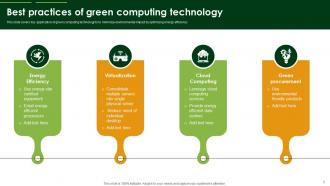
Honestly, just tackle the obvious stuff first - swap out old hardware for energy-efficient models and actually use those power management settings everyone ignores. Cloud migration is worth it since their data centers crush your office setup efficiency-wise. Virtualization's a game changer too, you'll fit way more systems on less hardware. Most of this pays for itself pretty fast anyway. Go paperless wherever possible and let people work remote (cuts commuting emissions big time). Oh and set up monthly energy tracking - sounds boring but you need real numbers to see if you're making a dent. Create targets that aren't totally unrealistic.
So basically, when you swap out power-hungry hardware for efficient stuff, you're pulling way less electricity from the grid. SSDs and low-power processors make a huge difference. Your cooling costs drop too since everything runs cooler - which honestly I didn't think about until recently. Less electricity = fewer fossil fuels getting burned at power plants, so your carbon footprint shrinks. Software matters too - bloated programs are energy vampires. I'd start by checking which devices are the biggest power hogs and replace those first. The math is pretty simple once you see it.
So basically you can run tons of virtual machines on just one physical server instead of buying separate hardware for everything. Cuts your power and cooling bills like crazy - we're talking 60-80% fewer servers needed. The old way was so wasteful, servers just sitting there doing nothing most of the time. Now you can shift resources around based on what you actually need. Oh, and start with your most underutilized servers first since those are the obvious candidates. Way easier to justify the switch when you can point to machines barely doing anything anyway.
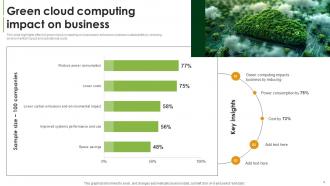
Honestly, cloud is way better for the environment than running your own servers. These big providers like AWS are dealing with thousands of companies in the same data centers, so they can optimize everything at massive scale. Your server would just sit there doing nothing 80% of the time - but in the cloud, someone else uses those cycles when you don't need them. Plus Amazon and Google have way more money to throw at renewable energy and fancy cooling systems than you ever would. The sharing thing alone cuts carbon emissions by like 65-85%. Pretty wild numbers. If going green matters to you, cloud's the obvious first step.
Start by measuring your current energy use - data centers, office equipment, cloud stuff. Energy Star Portfolio Manager works well for tracking kilowatt-hours and emissions. Getting IT to share their data is easy since they love spreadsheets, but facilities can be more stubborn about it. Monitor server utilization rates too. Track any cost savings from efficiency upgrades or switching to renewables - that's honestly the best way to get leadership interested. Do quarterly check-ins against your baseline numbers so you can see what's actually making a difference versus just looking good on reports.
Honestly, it comes down to money and making everything work together. The upfront costs for energy-efficient stuff can be brutal - good luck getting leadership to sign off on that budget. Legacy systems are the worst when you're trying to integrate newer green tech. It's such a headache. Measuring real impact is harder than you'd think too without proper tracking tools. My advice? Start with small pilot projects first. Show some actual ROI and you'll have way better luck scaling up later.
So here's the thing - manufacturing and tossing old devices is where like 70% of the environmental damage happens. Your daily scrolling? Not nearly as bad as you'd think. All that rare earth mining and chemical processing to make phones is brutal on the planet. Plus most stuff just sits rotting in landfills afterward. Honestly, the best thing you can do is just keep your phone longer before upgrading - even one extra year cuts the yearly impact way down. And actually recycle it properly when you're done, don't just throw it away.
ARM chips are crushing it right now - way less power hungry than traditional processors. Liquid cooling's getting better too, ditching those energy-sucking fans. Honestly, the coolest thing I've seen is AI that automatically moves workloads to whatever hardware's most efficient at the moment. Data centers are going renewable, battery tech keeps improving, and quantum computing might be huge eventually (though that's still sci-fi territory). Power management software's gotten smarter too. If you're planning a hardware refresh soon, definitely factor this stuff in - it'll save you money long-term.
Start with the boring stuff first - make IT buy energy-efficient equipment and set all computers to sleep mode by default. Then get students involved because honestly they're way more into this than the professors are. Add some green computing modules to existing classes, set up e-waste collection bins around campus. Digital-first policies help cut down on printing too. Oh and those green hackathons are actually pretty cool - students build apps that save energy and stuff. Pick one department to test everything out first, then you'll know what actually works before rolling it out everywhere. Make sure people can see the impact or they won't care.
Start with ENERGY STAR - that's your go-to for energy-efficient hardware. EPEAT is solid too since it looks at the whole product lifecycle, not just energy use. If you're dealing with data centers, Green Grid metrics are worth checking out. LEED certification matters if you're doing any facility work, though that's probably down the road for you. There's honestly a ton of other certifications out there but most are kinda niche. These four will cover your bases without making your procurement team want to strangle you. You'll actually see the energy savings pretty fast once you start buying certified stuff.
Honestly, remote work is pretty solid for the environment. No daily commute = massive win for emissions, and you're not powering some huge office building. Yeah, everyone's heating their own place and running separate equipment now, but the transportation savings more than make up for it. Remote workers actually hang onto their devices longer too since there's no corporate "time to upgrade everyone's laptop" thing happening every few years. Just don't be that person who leaves every device plugged in and running all night. Get energy-efficient stuff when you can. Those little tweaks really add up.
Honestly just start putting your devices to sleep faster - that alone cuts down your electric bill way more than you'd think. Unplug chargers when you're not using them too. LED bulbs are a no-brainer for your workspace. Oh, and buy refurbished electronics instead of new ones every time (I've been doing this for years, haven't had issues). Cloud storage means you won't need tons of physical drives lying around. Don't leave everything running 24/7 - that's probably your biggest waste right there. Also recycle old devices through manufacturer programs when you upgrade.
Honestly, start with profiling your current app - that'll show you where the real battery killers are hiding. Algorithm optimization is huge, plus picking better data structures and cutting down memory usage. Skip polling if you can and go event-driven instead. Network calls are usually the worst offenders though, so batch those up, cache what you can, and compress stuff. I probably sound like a broken record about profiling, but seriously it's the only way to know what's actually draining power. Your users will definitely notice the difference in battery life. Once you see those energy hogs in action, you'll know exactly where to focus your efforts first.
Ugh, e-waste is such a nightmare right now. All those phones and laptops sitting in landfills are leaking toxic stuff like lead and mercury into our water. Don't even get me started on how we're just throwing away all those rare minerals that took forever to mine in the first place. Green computing is trying to fix this mess though. Companies are finally making devices that last longer and are actually repairable - imagine that! You can help by keeping your phone for more than two years (crazy concept, I know), buying refurbished gear, and dropping old electronics at those recycling centers instead of your regular trash.
-
Wow! The design and quality of templates on SlideTeam are simply the best.
-
They helped us design the pamphlets for our church’s food drive! The people loved the design, and I’m happy to say it was successful. Thank you, SlideTeam!