


Smart Grid Powerpoint Ppt Template Bundles




Try Before you Buy Download Free Sample Product
 Impress Your
 Audience
 100%
100% Editable
 Save Hours
 of Time


Our Smart Grid Powerpoint Ppt Template Bundles are topically designed to provide an attractive backdrop to any subject. Use them to look like a presentation pro.
People who downloaded this PowerPoint presentation also viewed the following :
Smart Grid Powerpoint Ppt Template Bundles with all 15 slides:
Use our Smart Grid Powerpoint Ppt Template Bundles to effectively help you save your valuable time. They are readymade to fit into any presentation structure.






FAQs for Smart Grid Powerpoint
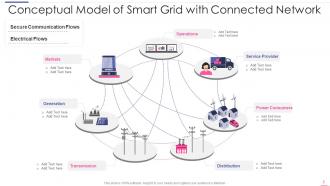
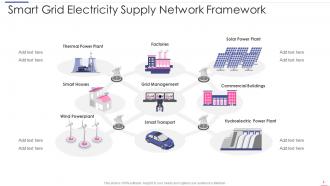
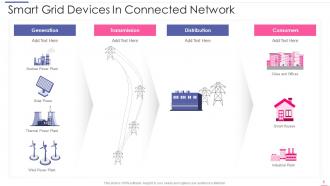
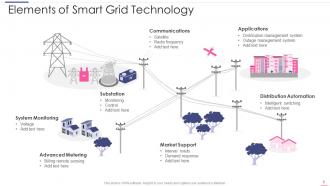
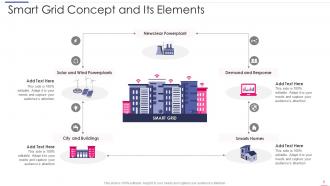
So basically smart grids have four key parts. First, smart meters that show your energy use in real-time - pretty cool actually. Then there's sensors all over the electrical system, plus two-way communication networks so data flows both ways between you and the utility company. Oh, and automated controls that fix outages super fast. The communication part is honestly the best feature because you can track your energy habits and even sell power back if you've got solar panels. I'd check if your utility has smart meter programs available yet - some areas are still catching up.
So smart grids are way cooler than regular ones - you get real-time data and two-way communication instead of that old one-way setup. Traditional grids just push power from plant to house, done. But with smart grids? You can actually participate. They automatically balance loads, do demand response stuff, and handle renewables way better. Plus you can sell solar back to the grid if you've got panels. My buddy's facility saw like 20-30% efficiency gains, which is pretty solid. Honestly though, I'd check your current usage patterns first before jumping into anything major.
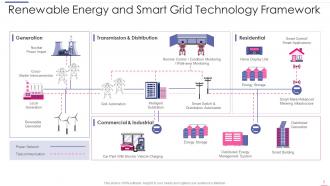
So smart grids are pretty much game-changers for renewables. They monitor everything in real-time and balance loads automatically - like when your solar panels are going crazy or wind suddenly dies down. The two-way communication is what makes it work - power flows back and forth between sources, batteries, and houses seamlessly. I think the predictive stuff is the coolest part though. It forecasts how much solar/wind you'll get and tweaks conventional power accordingly. Your rooftop panels actually feed energy back into the system too. Basically, forget the old one-way grid - this is way more flexible and responsive.
So smart grids are basically drowning in data from all their sensors and meters, right? Analytics helps make sense of it all - predicting when equipment might fail, balancing energy supply with demand, detecting faults instantly. The renewable integration part is pretty cool since it can forecast solar and wind fluctuations. Oh, and it automatically reroutes power around problems. You know how they say garbage in, garbage out? That's huge here - data quality matters more than anything. These systems process insane amounts of info every second. If you're diving into this stuff, nail down clean data first.
Smart grids are like the nervous system for power networks - they automatically spot outages and redirect electricity around damaged spots in seconds instead of hours. Your neighborhood loses power? The grid isolates that issue and gets unaffected areas back online right away. Pretty neat stuff honestly. Utilities get real-time data on what's happening everywhere, so repair crews head straight to the right locations faster. During storms, the system can even tap into backup sources like batteries or solar panels automatically. I swear the next big storm won't leave you in the dark nearly as long.
Honestly, network segmentation is your best friend here - isolate the critical stuff from anything sketchy. Beyond that, encrypt everything and ditch basic passwords for real authentication protocols. Regular audits and pen testing are non-negotiable since hackers absolutely love going after energy infrastructure (can't blame them, it's a juicy target). Set up intrusion detection systems too. Oh, and have an incident response plan ready because something will eventually go wrong. This isn't a one-and-done thing though - you'll constantly be playing catch-up with new threats. Your grid's literally only as secure as that one device someone forgot about.
So basically you can see exactly when your power bill spikes and move stuff like laundry to cheaper hours. Your old dryer is probably costing way more than you think - mine was crazy expensive before I replaced it. The data helps catch weird usage patterns too, like when equipment's about to crap out. Some utilities do that dynamic pricing thing where you actually save money running the dishwasher late at night. Check if your power company has an app or online dashboard first.
Ugh, both are nightmares honestly but for totally different reasons. Cities? You're fighting congested infrastructure and insane permitting processes while trying not to piss off millions of residents during construction. Plus coordinating upgrades across all those existing systems is brutal. Rural areas flip the script - massive distances with hardly anyone around makes the math awful, and good luck finding technical workers out there. Basic connectivity is already sketchy before you even start. I swear the strategy has to completely change depending on whether you're dealing with too many people crammed together or nobody around for miles.
So IoT is what makes smart grids work - millions of sensors and meters constantly sending data to utility companies. Your smart meter? It's chatting with the grid about your energy use every few minutes. Now utilities can predict outages and automatically switch power around when stuff breaks. You get real-time pricing too, which honestly makes you realize how much your AC actually costs (ouch). The prediction thing is pretty cool though. If you're thinking about this field, cybersecurity is where it's at right now. That's where the money and challenges are.
You'll need solid data privacy rules and cybersecurity standards first. Interoperability requirements are huge too - otherwise nothing talks to each other properly. Regulatory sandboxes let utilities test stuff without drowning in bureaucracy (still need some oversight though). Rate structures should actually reward smart grid investments instead of penalizing them. Third-party data access needs clear guidelines. Oh, and updated rules for how utilities can share grid info with other companies. The real trick is getting regulators and utilities on the same page about where we're heading long-term rather than just slapping band-aids on old infrastructure.
So basically your EV and the power grid can actually talk to each other now - wild concept, I know. The smart grid figures out the best times to charge your car, usually at night when electricity's way cheaper. Peak hours? Your car battery can even send power BACK to help out the grid (which honestly blows my mind). You just set your preferences once - like when you need the car ready - and it handles all the scheduling automatically. No more worrying about overloading anything or paying crazy rates. Pretty sweet deal if you ask me.
So smart grids basically help cut carbon emissions by making the whole energy system way more efficient. They monitor everything in real-time, which means less waste since power gets matched to actual demand. Plus they're way better at handling renewable energy - like when your neighbor's solar panels produce extra power, it can flow back into the grid no problem. My cousin got into one of those demand response programs where she runs her dishwasher during off-peak hours when there's more clean energy available. Honestly pretty clever stuff. If your area's getting smart grid upgrades, definitely look into a smart thermostat to take advantage.
Yeah, the initial investment is brutal - we're talking billions for new infrastructure, smart meters, all that tech stuff. But honestly? The math works out over time. Grid management gets way more efficient, you avoid those massive outage costs that can hit millions. Consumers end up saving through better pricing structures too. Most companies see payback in 10-15 years, though it depends where you are. Oh, and if you're pitching this internally - lead with operational efficiency gains. That's where you'll get buy-in fastest since the ROI shows up quicker there.
So basically smart grids give you real-time info on energy costs and usage - way better than just waiting for that shocking monthly bill. Your house can actually talk back to the utility company, which sounds weird but it's pretty cool. You'll get alerts when electricity prices spike or the grid's overwhelmed. Then you can program stuff like your thermostat or water heater to chill out during expensive peak hours. Some utilities even throw you a few bucks for helping out. Finally gives you some control instead of being totally in the dark about what you're spending.
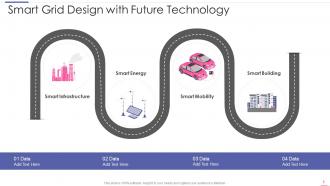
Smart grids are getting crazy automated - like, they'll predict when stuff breaks before it happens. Real-time demand forecasting is huge too. Honestly, the renewable energy integration part is what gets me most excited, plus all the EV charging infrastructure. Cybersecurity's becoming a bigger deal since everything's more connected now. Oh, and edge computing is moving processing closer to the actual grid points, which makes total sense. If you're thinking about investing, flexibility's key - you don't want to get stuck with something that can't adapt later.
-
It makes easy work of my work presentations. I’ve never had to be nervous about my presentations for meetings.
-
I'm happy to discover your PowerPoint presentations and templates. They met my expectations precisely. Very innovative!