


Smart Manufacturing Powerpoint Ppt Template Bundles




Try Before you Buy Download Free Sample Product
 Impress Your
 Audience
 100%
100% Editable
 Save Hours
 of Time


Our Smart Manufacturing Powerpoint Ppt Template Bundles are topically designed to provide an attractive backdrop to any subject. Use them to look like a presentation pro.
People who downloaded this PowerPoint presentation also viewed the following :
Smart Manufacturing Powerpoint Ppt Template Bundles with all 25 slides:
Use our Smart Manufacturing Powerpoint Ppt Template Bundles to effectively help you save your valuable time. They are readymade to fit into any presentation structure.








FAQs for Smart Manufacturing Powerpoint
You'll need IoT sensors to grab real-time data, plus cloud storage for all that info and AI algorithms to actually make sense of it. Automated controls are key too. Honestly, cybersecurity is huge - you don't want someone hacking your factory floor. Digital twins help simulate everything before you mess with actual production. Start with your biggest bottlenecks first and figure out what sensors would help there. Oh, and make sure operators can actually use whatever interface you build - I've seen too many "smart" systems that nobody knows how to operate.
Dude, the real-time data is game-changing - you'll see machine performance, temps, vibrations, all of it as it happens. No more waiting for stuff to randomly break down. You can actually predict when maintenance is needed instead of scrambling to fix things. All that sensor data shows you where your bottlenecks are too. Honestly, it's crazy how machines coordinating with each other cuts down waste - like they're finally having conversations about who does what when. My advice? Don't go nuts right away. Start with just one production line, throw some sensors on it, and show the money people it works before expanding everywhere.
Think of data analytics as your factory's crystal ball. All those sensors and production numbers? They reveal patterns no human could spot manually. You'll catch machine breakdowns before they happen and find bottlenecks killing your efficiency. Honestly, the amount of waste most places don't even realize they have is crazy. Instead of constantly putting out fires, you're actually getting ahead of problems. My advice? Don't overthink it - just pick one process and collect data for a few weeks. The biggest opportunities will jump out at you pretty fast.
Hey! So smart manufacturing basically uses real-time data to figure out exactly what you need to produce and when. No more making extra stuff that just sits around. The sensors can actually predict when machines are about to break down - way better than scrambling to fix things after they've already scrapped a bunch of materials. You get way better control over energy and raw materials too. The whole system learns your patterns over time, which is honestly kind of wild. Temperature, scheduling, all that gets fine-tuned automatically. I'd start by looking at where you're wasting the most and see if sensors could help there.
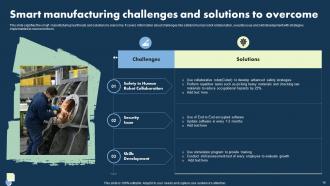
Honestly, the money upfront is brutal - that's probably your biggest headache right there. Your old systems definitely weren't built to play nice together, so good luck with that integration mess. Workers get nervous about automation too, which I totally get. Cybersecurity becomes way more complicated once everything's connected to networks. Oh, and finding people who actually know both manufacturing AND the tech side? Nearly impossible. My advice would be to test things out small first instead of going all-in. Way less risky that way.
Start with network segmentation - you've gotta isolate those OT systems from your regular IT stuff. Zero trust is honestly where everyone's heading these days. Strong authentication for every device and user is non-negotiable. Those IoT sensors? They're usually your biggest headache, so keep firmware updated religiously. I'd also throw in some continuous monitoring that catches weird behavior in real-time. Oh, and don't sleep on vetting your vendors - supply chain attacks are brutal. Before diving into all this though, do a security audit first. Find your worst gaps and tackle those.
So basically AI reads all your equipment data - vibrations, temps, whatever - and tells you when stuff's about to break. Way better than just hoping for the best or doing maintenance every X months regardless. My buddy's factory started with sensors on their most expensive machines first, which was smart. Now they fix things during planned downtime instead of scrambling when everything goes to hell at 2am. The predictions are getting scary accurate too. You'll probably see the best returns if you focus on equipment that would really hurt if it went down unexpectedly.
So smart factories are basically regular manufacturing but with tons of IoT sensors, AI, and real-time analytics running everything automatically. Instead of waiting for stuff to break, they predict failures before they happen. Quality checks happen instantly too, which is pretty sweet. You can reconfigure production lines through software rather than moving heavy equipment around - way more flexible. Everything's connected so data flows seamlessly between systems. Oh, and maintenance becomes predictive instead of just hoping nothing breaks on a Tuesday. I'd start with whatever's causing you the biggest headaches right now since that's where you'll see the most impact.
So digital twins are basically like having a virtual copy of your manufacturing setup running in real-time. Pretty neat stuff. You can simulate what happens before equipment actually breaks down, which beats scrambling to fix things after they fail. Testing new processes virtually saves you from messing up actual production - learned that one the hard way at my last job. The scheduling optimization is solid too since you're not disrupting real operations. Quality issues get caught way earlier. I'd say pick one machine that's critical and try it there first. You'll see the impact pretty quick, and honestly it's kind of addictive once you start predicting failures before they happen.
Look, automation basically moves your team away from manual stuff toward more tech-heavy roles. You'll need people who can code, fix robots, and make sense of data instead of just running machines. Finding folks with these skills is honestly like hunting for unicorns right now - the gap is huge. I'd start training your current workers ASAP because this stuff takes forever to learn. Focus on digital skills, robotics repair, and data analysis. Oh, and problem-solving becomes way more important since they're managing crazy complex systems instead of doing the same task over and over.
Honestly, predictive maintenance using AI is probably the biggest game-changer right now. Digital twins are everywhere too - they let you simulate stuff in real-time which is pretty cool. Edge computing processes data directly on the factory floor instead of sending everything to the cloud. Those collaborative robots (cobots) are actually not terrifying like the old industrial arms from the 80s! Advanced analytics can catch patterns we'd never see, and IoT sensors monitor literally everything - vibration, temperature, you name it. These technologies work way better together than separately. Start small with predictive maintenance first, then expand from there.
Dude, start with IoT sensors at your biggest bottleneck points first. They'll track everything - inventory, production, where shipments actually are right now. No more guessing games. The data flows into AI that spots problems before they screw you over and predicts demand patterns. Honestly, it's pretty wild how accurate it gets. You'll get alerts when suppliers are dragging their feet or production needs tweaking. My buddy said it's like finally having eyes everywhere in his operation. Real-time visibility changes everything once you're not flying blind anymore.
Honestly, 5G is a total game-changer for manufacturing. Your IoT sensors, robots, and AI can finally talk to each other without that annoying lag - we're talking milliseconds here. Real-time quality control becomes actually possible, plus you get predictive maintenance alerts that don't show up after something's already broken. The coordination between automated systems across your factory floor? Seamless. All those advanced manufacturing ideas that were too slow before suddenly work. I'd say start with whatever processes need the fastest response times first - that's where you'll see the biggest difference.
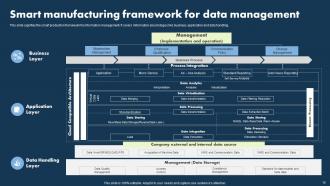
Honestly, you gotta standardize everything from the start - communication protocols, data formats, all of it. Industrial standards like OPC UA or MQTT are your friends here since they let machines actually talk without needing custom translators everywhere. Cloud platforms work great as universal go-betweens for different vendor tech. Data mapping though? Start that super early, like way earlier than you think. I learned this the hard way on a previous project. Building a tech roadmap around interoperability beats trying to patch things together later.
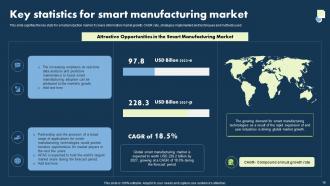
Siemens' Amberg factory is probably the best example - they hit 99.9% quality with mostly automated production. BMW's got IoT sensors everywhere predicting maintenance issues, cut their downtime by 25%. GE does this whole digital twin thing to optimize energy and throughput. Honestly these numbers sound crazy good sometimes, makes you wonder what they're not telling us lol. But they all started with small pilot programs first. Don't try to digitize everything at once - pick one process and nail that. Way easier to get buy-in when you've got actual results to show people.
-
The design is clean-cut, modern, and sleek, keeping the users' needs in mind. The multiple uses make this product worth every penny!
-
A perfect platform for all your presentation needs. Unlimited products at an affordable price.