


Smart Home Powerpoint Ppt Template Bundles




Try Before you Buy Download Free Sample Product
 Impress Your
 Audience
 100%
100% Editable
 Save Hours
 of Time


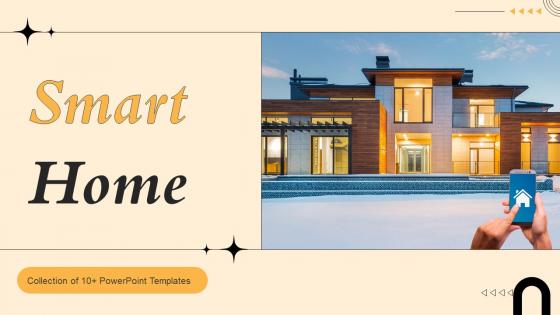
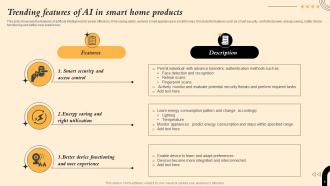
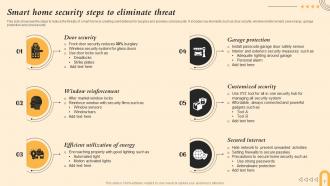
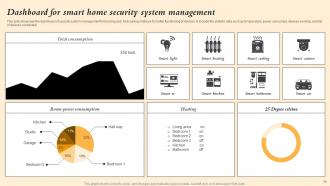
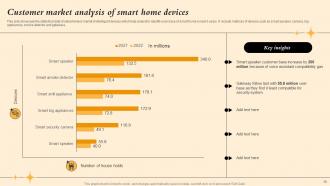
Introducing our groundbreaking Smart Home PowerPoint presentation, designed to unravel the wonders of modern living. This comprehensive deck explores the seamless integration of AI devices and smart technology within households. Discover futuristic marvels of a Smart door lock system that offers convenience and heightened home security. With cutting-edge IOT sensors, homeowners can remotely monitor and control various aspects of their living space, ensuring an environment tailored to their preferences. Our presentation dives into the intricacies of home automation, shedding light on the potential for energy efficiency, enhanced safety, and streamlined routines. Explore the possibilities of connected homes and unlock the potential of Smart Home technology with our visually captivating and informative PPT.
People who downloaded this PowerPoint presentation also viewed the following :
Smart Home Powerpoint Ppt Template Bundles with all 25 slides:
Use our Smart Home Powerpoint Ppt Template Bundles to effectively help you save your valuable time. They are readymade to fit into any presentation structure.





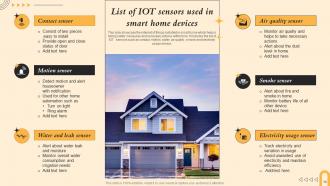
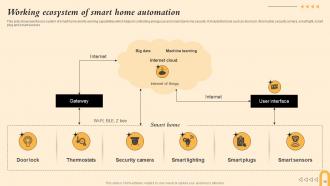
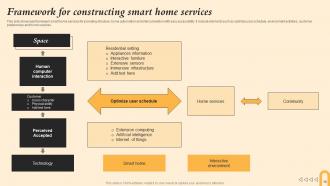







FAQs for Smart Home Powerpoint
Dude, smart home stuff is actually worth it. Three big reasons: convenience, money savings, and security. Your phone becomes a remote for literally everything - lights, temperature, door locks, you name it. The energy savings are real though - smart thermostats can drop your heating bill by like 10-15%. Security's nice too with cameras and automated lights that fake being home. I'll be honest, it's kinda addictive once you start. Got my first smart bulb and now I'm that guy with everything automated. Just grab a thermostat or some bulbs first, see how you like it.
Dude, get a smart thermostat first - that thing alone dropped my heating bill by like 15%. It figures out when you're home and actually works. Smart lights are clutch too, they'll shut off automatically when rooms are empty. Oh and those smart plugs? Total game changer for killing vampire power from stuff that's just sitting there. I went a bit overboard with the energy monitoring system but honestly it's kinda fun seeing which appliances are secretly wrecking your bill. The thermostat paid for itself in under a year though, so definitely start there.
So smart assistants are like your house's brain - they connect everything together. Tell Alexa "goodnight" and it'll dim lights, lock doors, adjust the thermostat, all that stuff. Google Home does the same thing. Honestly took me forever to remember I could just talk to mine instead of using apps for everything! You can ask for status updates too, like if doors are locked. They work with security systems and whatever. I'd grab one assistant first, maybe a few smart bulbs or something, then see what clicks. Once you get the hang of it, you'll wonder how you lived without voice control.
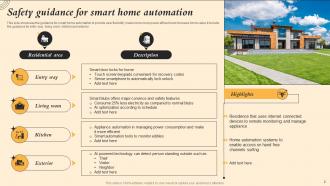
Oh man, you're gonna love having smart home security! I'm totally hooked on checking my doorbell cam feeds - probably way too much lol. Basically you get alerts whenever doors open unexpectedly or there's weird motion around your house. The whole system runs 24/7 and sends notifications straight to your phone. If someone sketchy shows up, lights can flip on automatically and doors lock themselves. Some setups even call emergency services for you. Being able to check everything while you're out of town is clutch. Definitely start with a smart lock and doorbell camera first.
Most people go for smart speakers first - Alexa, Google Home, whatever. Smart thermostats and lighting are solid starter picks too. Package thieves have everyone buying video doorbells now, which honestly makes sense. Robot vacuums are everywhere these days. Smart plugs and locks round out the basics. My advice? Grab a speaker and some smart bulbs to start. They're cheap and you'll actually mess with them every day. Then just add stuff that fixes annoying things around your place. No point buying gadgets you won't use.
So smart home stuff learns what you do and handles the boring repetitive things automatically. Like I set up a "good morning" routine that cranks the heat, flips on lights, and gets my coffee going when my alarm hits. Pretty wild how it actually gets better at predicting what you want over time. You can trigger things based on where you are, what time it is, or when other devices do something. My neighbor went crazy setting up like 20 routines right away and got overwhelmed. I'd start with just one thing - maybe a bedtime setup - then add more as you figure it out.
Honestly, the compatibility thing is a nightmare - your old stuff just won't work together and it's maddening. Plus you can't upgrade everything at once unless you're loaded. Learning all the new apps takes forever too, and don't even get me started on when automation randomly breaks. Oh, and privacy? Yeah, you're basically letting Google or Amazon know when you brush your teeth lol. My advice is pick one ecosystem first. Maybe start with Google or Amazon, then slowly add more devices when you can afford it.
Oh man, smart home stuff is perfect for this! Voice controls are clutch - your mom could just say "turn off lights" instead of hunting for switches. Motion sensors automatically light up hallways so no more stumbling around in the dark. Smart doorbells let you see who's there without getting up, which honestly I use all the time now. Medication reminders and emergency alerts can ping family members too. The cool thing is you don't need everything at once - grab one device, see how it goes, then add more. Most of it connects together anyway.
Okay so first thing - change those default passwords on everything. Your router, smart devices, all of it. Hackers basically have a cheat sheet for factory settings. Set up a guest network for your smart stuff so if something gets hacked, they can't jump to your laptop. Turn on two-factor auth wherever you can find it. Keep updating firmware too, I know it's annoying but whatever. Oh and disable WPS on your router - that thing is trash for security. Honestly just assume every device could be a way in and lock it down. Turn off remote access unless you're actually using it.
Oh nice question! So basically these things learn your routine and automatically turn down the heat/AC when you're not home - saves like 10-15% on energy right there. You can also control it from your phone so you're not accidentally heating an empty house all day (I've definitely done that). Some connect to the power grid and use energy during off-peak times when there's more renewable stuff available. Pretty cool tech honestly. Your bills will drop too which is a nice bonus. Just make sure you actually program it for your real schedule instead of leaving everything on auto.
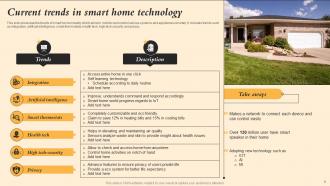
AI's getting crazy good now - homes actually learn what you do instead of just basic timers. Voice stuff is way more natural too, no more robot commands. Matter protocol finally dropped and honestly it's about time, now your devices actually work together regardless of brand. Energy management is blowing up with smart panels and batteries everywhere. Oh and health monitoring through sensors you can't even see is getting popular. My advice? Go Matter-compatible so you're not stuck in Apple or Google jail forever.
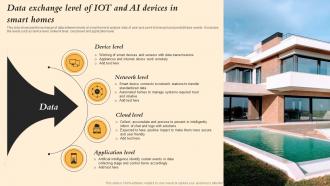
Honestly, interoperability is what separates a smooth smart home from a total headache. When everything talks to each other, you can do cool stuff like having your thermostat automatically dim the lights when it's bedtime. But without it? You'll be switching between like six different apps just to lock up at night - which gets old fast. I learned this the hard way lol. The good news is Matter certification actually works now (finally!). It means devices from different brands will play nice together. So you won't get stuck in Apple's or Google's ecosystem forever if you change your mind later.
Honestly, smart lighting is pretty sweet - you get total control over dimming, colors, schedules, all from your phone. Even works when you're out of town. Most are LED so they'll actually cut your electric bill, plus you can set them to automatically turn off in empty rooms which is clutch. Oh and there's the whole security thing where you can fake being home while traveling. I'd probably start small though, maybe just your bedroom or wherever you hang out most. No point going crazy with the whole house right away.
You basically download the manufacturer's app - think Nest, Ring, whatever - and connect everything through your WiFi. Takes forever to set up initially, not gonna lie. But once it's done? Super convenient. I can turn off lights from bed, check my security cameras at work, mess with the thermostat before I get home. Most apps let you create schedules too and group stuff together. My advice? Don't go crazy right away. Pick like one or two types of devices first and figure those out. The whole smart home thing can get overwhelming fast if you try to do everything at once.
Honestly, transparency is huge here - people need to know what you're grabbing and why. Smart homes collect super personal stuff like when they're home, daily habits, even conversations through Alexa or whatever. Kinda invasive if you ask me. Security has to be bulletproof too since this data would be a goldmine for creeps or thieves. Oh, and don't collect more than you actually need to make the thing work. Give users real control over their settings. Be totally upfront about everything - nobody likes feeling tricked about their privacy.
-
Helpful product design for delivering presentation.
-
Extremely professional slides with attractive designs. I especially appreciate how easily they can be modified and come in different colors, shapes, and sizes!