


Smart Cities Powerpoint Ppt Template Bundles






Try Before you Buy Download Free Sample Product
 Impress Your
 Audience
 100%
100% Editable
 Save Hours
 of Time


Our Smart Cities Powerpoint Ppt Template Bundles are topically designed to provide an attractive backdrop to any subject. Use them to look like a presentation pro.
People who downloaded this PowerPoint presentation also viewed the following :
Smart Cities Powerpoint Ppt Template Bundles with all 24 slides:
Use our Smart Cities Powerpoint Ppt Template Bundles to effectively help you save your valuable time. They are readymade to fit into any presentation structure.







FAQs for Smart Cities Powerpoint
So a smart city is basically when they use tech and data to make everything run smoother for people living there. Think IoT sensors everywhere, data platforms, digital stuff connecting traffic lights to garbage trucks - it's actually pretty cool how it all links up. Look for things like real-time data collection, digital services that don't suck, automated city operations, and better resource management. Honestly, the biggest test is whether they have one platform that actually makes your daily life easier with transport, utilities, public safety. Most cities claim they're "smart" but half the time their apps still crash.
Dude, check if your city has any transit apps first - you might already be sitting on some gold. IoT sensors and real-time data basically let public transport adjust routes on the fly and predict when stuff's gonna break before it actually does. Your buses get priority at smart traffic lights, which is honestly pretty cool when you see it work. Wait times drop because the scheduling adapts to actual demand instead of just guessing. Plus you'll get live arrival times and route suggestions that actually make sense. Transit folks use all this data to figure out usage patterns too. Honestly might save you way more time than you think.
Think of data analytics as the city's nervous system - it takes all those sensors monitoring traffic, air quality, energy use, whatever, and actually makes sense of it all. Cities can predict when problems are brewing instead of just reacting after stuff breaks. Traffic lights get smarter, garbage trucks don't waste fuel on empty routes. Honestly, the difference good analytics makes is pretty crazy. One thing though - if you're looking into this field, real-time processing is where it's at. Nobody wants to hear about a traffic jam three days after it happened, you know?
So basically you want distributed energy everywhere - solar on rooftops, wind turbines wherever there's space. Smart grids are pretty cool because they balance everything automatically using IoT sensors and AI to predict what people actually need. Battery storage is critical since wind and solar are super unreliable timing-wise. Honestly, the smart meter thing is genius - residents can see their usage and sell extra power back. I'd start by figuring out what renewable resources your city has going for it, then map where you'll need storage infrastructure.
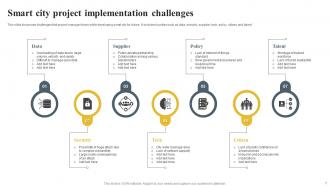
Dude, smart cities are basically cybersecurity nightmares waiting to happen. You've got everything networked - traffic lights, power grids, water systems, cameras. Hackers breach one system and suddenly your whole city's screwed because everything's connected. The real kicker? Most of this infrastructure wasn't built with security in mind originally. It's like putting a smart lock on a paper door. One successful attack could knock out essential services or steal massive amounts of citizen data. If you're involved in any smart city stuff, bake security into the design from the start. Don't just slap it on later and hope for the best.
So basically, smart cities dump IoT sensors all over the place - traffic lights, garbage bins, air quality stuff, parking meters, whatever. They collect data in real-time to make everything run better. Picture giving the city a brain that actually responds to what's going on. When you're stuck in traffic, the system can reroute lights. Full trash bins? Crews get alerts. Need parking? There's probably an app for that. Honestly works pretty well when the tech doesn't glitch out. Instead of everything running on rigid schedules, cities can actually adapt to what people need moment by moment.
Honestly, smart cities can be pretty great for the environment when they're done right. LED lighting and smart grids cut way down on energy use. Traffic flows better so there's less pollution, plus public transit gets optimized. Water systems become way more efficient with all the monitoring tech. Waste management improves too with those IoT sensors tracking everything. The downside? All those devices create a ton of electronic waste eventually - kinda ironic if you think about it. But yeah, as long as cities focus on actual sustainability instead of just cramming in random tech, it's usually a win.
Honestly, just make it dead simple for people to jump in. Mobile apps work great - let them report potholes or vote on stuff right from their couch. Town halls are fine but also try random places like the farmer's market (way less intimidating than city hall, trust me). The biggest thing though? Actually follow through when someone speaks up. Like if Sarah suggests bike lanes and you build them, make sure everyone knows Sarah's idea made it happen. People stop caring when they feel ignored, but they'll keep participating if they see their suggestions actually matter.
Dude, go with a mix of public-private stuff - it actually works. Start small with pilot projects using municipal bonds or grants to show it pays off. Once you've got proof, private partners will jump in to cover the big infrastructure costs for long-term contracts. Don't try to do everything at once though. Cities always run out of cash that way. Pick the money-makers first - smart parking, energy management, whatever brings in revenue quickly. Then use that to fund the rest. Oh, and focus on things that'll pay for themselves in 3-5 years max.
Look, smart cities need to actually talk to residents first - not just dump tech on them and hope it works. Digital literacy programs are huge, especially with multilingual interfaces since not everyone speaks English. Getting internet to low-income areas is basic but gets overlooked constantly. Use data to spot where healthcare, education, or transit sucks, then fix those specific problems. Community needs assessments should happen before any shiny new tech gets rolled out. Otherwise you're just making the digital divide worse, which is the opposite of what you want. Bottom line: involve people in planning or you'll mess it up.
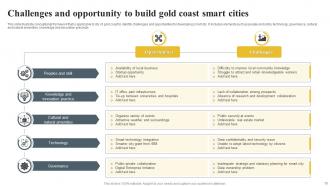
Honestly, the biggest thing is getting people on board before you start building anything - that's where most cities mess up. Singapore nailed it with their traffic stuff because they actually solved real problems residents cared about. The tech part? Pretty straightforward. It's all the governance drama and privacy freakouts that kill projects. Barcelona and Amsterdam figured out you can't just throw fancy gadgets at everything and call it innovation. Also super important not to forget about folks who aren't tech-savvy, otherwise you're just helping rich neighborhoods. Start with small pilots and actually listen when people complain.
So basically you're looking at tons of data - traffic patterns, weather, crime stats, even social media - to figure out where emergencies might pop up. The cool part? Real-time integration means dispatchers can route ambulances around traffic jams or predict fire risks when it's crazy hot outside. I mean, who would've thought Twitter posts could help with emergency response, right? Short sentences work too. Start by just mapping what data your city already has. Then look for patterns - you'll probably find some accident hotspots you didn't expect.
Honestly, you can't pull off smart city stuff without public-private partnerships. Cities have the authority and public backing, but they're broke and don't know tech. Companies have the money and innovation - they just need government approval to scale anything up. Find partners who actually care about long-term results, not just making a quick buck (there are way too many of those). Look for firms that have done municipal work before. Both sides desperately need each other, so it's really about picking the right match.
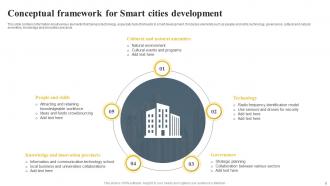
Smart cities build sustainability into their plans from the start instead of just slapping on green tech later. They prioritize renewable energy, design walkable neighborhoods, and use IoT sensors to optimize water and waste systems. The data-driven approach is actually pretty impressive. Green building standards are huge too, plus they create circular economies where one system's waste feeds another. Oh and here's a tip - look at how they track environmental metrics versus just economic ones. That'll tell you if they're actually serious about sustainability or just talking a good game.
Ugh, smart city tech is basically one giant surveillance network. Those sensors everywhere tracking traffic and air quality? Yeah, they're tracking you too. Your daily routes, when you leave for work, where you hang out - all of it gets logged. What really bugs me is how cities share this data with other agencies or sell it to companies without asking you first. I'd definitely stay on top of what your city's collecting and bug your local reps about privacy rules. The whole thing feels pretty invasive once you realize how much they actually know.
-
No second thoughts when I’m looking for excellent templates. SlideTeam is definitely my go-to website for well-designed slides.
-
One word for SlideTeam–Versatile!