


Artificial intelligence business plan ppt powerpoint presentation ideas gallery cpb





Try Before you Buy Download Free Sample Product
 Impress Your
 Audience
 100%
100% Editable
 Save Hours
 of Time


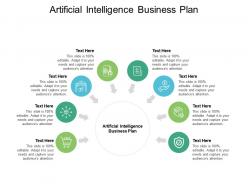
Change paradigms with our Artificial Intelligence Business Plan Ppt Powerpoint Presentation Ideas Gallery Cpb. Create new processes with your ideas.
People who downloaded this PowerPoint presentation also viewed the following :
Artificial intelligence business plan ppt powerpoint presentation ideas gallery cpb with all 2 slides:
Our Artificial Intelligence Business Plan Ppt Powerpoint Presentation Ideas Gallery Cpb are a great value proposition. They work up excellent returns.
FAQs for Artificial intelligence business plan ppt powerpoint presentation
Honestly, just nail the basics first - super clear problem you're solving, your tech approach, and how you'll get customers. Market size stuff matters but don't go crazy with it. Your team's AI chops are huge, way more than people think. The compliance thing is annoying but investors actually check now, so don't skip it. Financial projections are tricky since AI costs so much upfront. But here's the thing - validate your idea works before you build some massive architecture. I've seen too many people burn cash on fancy tech nobody wants.
Just look at where you're wasting time doing the same boring stuff over and over. Customer service tickets, scheduling, data entry - that kind of thing. Your team probably complains about certain tasks all the time, so ask them what's driving them nuts. I'd honestly start with just one annoying problem instead of going crazy trying to automate everything. Maybe peek at what competitors are doing too. Document processing is usually a good first target since it's pretty straightforward. You'll be surprised how many opportunities pop up once you actually sit down and think about it.
Look, the money side is no joke - you're gonna drop serious cash upfront on software, training, maybe new hires. Those first invoices will make you wince, trust me. But here's the thing: most companies hit break-even around 12-18 months once the automation kicks in and efficiency goes up. My advice? Don't go crazy right away. Pick one department, run a small test, see what actually happens with your numbers. Way less risky than betting the farm on day one, and you'll sleep better too.
Honestly, just pick one thing your competitors are doing the slow way and use AI to crush them at it. Customer support that takes forever? AI can fix that. Recommendations that suck? Same deal. Don't try to AI everything at once though - I've seen companies do that and it's always a mess. Find your customers' biggest headache first. Then figure out if AI actually makes it better (not just different). The whole point is building something competitors can't just copy in a week. Personalized stuff usually works well since it gets better over time.
Track the obvious stuff first - accuracy, precision, recall. But here's the thing: those technical metrics are pretty useless if nobody's actually using your model or it's not making money. ROI and cost savings matter way more in the long run. User adoption rates too, because I've seen amazing models just sit there unused. Oh, and time-to-value is critical since AI projects love to spiral into endless tweaking. Pick maybe 3-4 metrics that match your original business goals and watch them like a hawk from the start.
Honestly, bias is the biggest headache - your AI can totally screw over certain groups if your training data sucks. Also gotta think about transparency (like, can people actually understand how decisions get made?), data privacy, and yeah... job displacement is real. Accountability's tricky too - when your AI messes up, who takes the blame? I'd probably start with an ethical audit before launching anything. Oh, and make sure you've got proper consent for using people's data. Sounds like a lot but better to catch this stuff early than deal with a PR nightmare later.
Honestly, most companies go with the classic trio - encryption, access controls, and anonymizing data. Build privacy protection right into your AI from the start though, because going back to fix it later is such a pain. Regular security audits help catch issues early. You gotta map out your data flows first - can't protect stuff you don't even know exists, right? GDPR and CCPA compliance is non-negotiable depending where you operate. Just be upfront with people about what you're collecting and why.
Talent acquisition can honestly make or break your whole AI thing. Everyone's fighting over the same people right now - those tech companies have insane budgets. But you don't always need some genius PhD researcher. Sometimes a solid engineer who gets your workflows works better than a superstar who doesn't understand your business. Domain experts asking the right questions? Way more valuable than you'd think. Figure out what AI skills you actually need first. Then mix hiring with training people you already have. Your current team probably knows more about your problems than any outside hire ever will.
Honestly, just start by figuring out which business problems are actually killing you right now - then see if AI can fix those specific things. Skip all the shiny new toys everyone's obsessing over. Build a timeline that knocks out some easy wins first, then work toward the bigger stuff. Your data setup and team skills need to be ready for each phase, otherwise you're gonna hit brick walls. Oh, and this is crucial - tie everything back to numbers that matter so you can show leadership it's actually working and keep getting their support.
So from what I've been reading, healthcare and finance are absolutely killing it with AI right now. Doctors are catching diseases way earlier with diagnostic tools, banks are stopping fraud before it happens. Retail's making bank too - those recommendation systems actually work. Oh and manufacturing! They're predicting when machines will break down instead of scrambling when everything goes to hell. Honestly, the pattern seems pretty clear - industries with massive datasets and measurable results are winning. When you're putting together that business plan, definitely target sectors where you can prove ROI from the start.
Honestly, skip all the technical stuff and just show them the money. Put ROI projections right up front - actual numbers like "we'll save $50K in year one" or whatever. Executives don't care about your fancy algorithms, they want to know if this thing will actually pay for itself. I'd grab examples from similar companies if you can find them. Oh and don't promise the moon timeline-wise, that always backfires. Keep it simple with before/after scenarios they can actually picture. One page max with the financial impact at the top.
Honestly, I'd start with the big cloud guys - AWS, Google Cloud, Azure. They've got the infrastructure already built so you're not dropping crazy money upfront. Universities are actually amazing for this stuff, way underrated honestly. They have smart people and love working on real problems instead of just theory. Tech consultancies can translate between what you need and the actual tech implementation. That's huge because most of us don't speak developer. Industry-specific partners matter too - like if you're in finance, find fintech AI companies who get your world. Just figure out what you actually want AI to do first, then hunt for specialists in those exact areas.
Honestly, the worst part is always people fighting change - nobody wants to learn new stuff. Your departments are probably using totally different systems that can't even talk to each other, which makes getting good data basically impossible. Plus half your team won't know how to actually use AI tools anyway. Budget fights get ugly fast when everyone thinks their department should go first. Oh, and those data silos? Total nightmare. Start with just one small pilot program somewhere. Once you can show it actually works and saves money, everyone else will suddenly want in.
Honestly, don't even think about the tech stuff first - you need a solid change management plan. Figure out who's gonna be impacted, then build training that actually makes sense for different skill levels. Some people are quick learners, others... yeah, good luck with that lol. Make sure everyone understands WHY you're doing this and what's in it for them personally. Don't dump everything on them at once - roll things out slowly so they can actually absorb it. Oh, and find your tech nerds early! They'll become your best allies for helping train everyone else.
Get market research tools like Statista or IBISWorld first - they'll show you the AI landscape. Excel works fine for financial modeling, though LivePlan's pretty solid too. Competitive analysis is huge for positioning, so don't skip that part. McKinsey and PwC have decent AI industry reports, and honestly GitHub's weirdly helpful for seeing what tech already exists out there. For technical stuff, talk to actual AI developers or check Kaggle for data requirements. Oh, and start with one good comprehensive market report - it'll basically guide everything else you do.
No Reviews