


As Is To Be 2 Powerpoint Presentation Slide




Try Before you Buy Download Free Sample Product
 Impress Your
 Audience
 100%
100% Editable
 Save Hours
 of Time


Introducing our content ready As Is To Be 2 PowerPoint Presentation Slide. Analyze the present state, plan your future state and determine business actions for improvement with the help of these visually appealing current state future state PPT visuals. This process cycle is essential for continuous process improvement. Define and align your activities of as-is and to-be business processes using the professionally designed gap analysis PowerPoint templates. The ready-to-use business process mapping presentation deck is useful to showcase the as-is-to-be analysis process correctly. It will not only keep your process tidy but will also enhance the transparency of every stage. Utilize the professional-looking business transformation PPT slides to understand the impact of change on your business. Make use of this easy-to-understand process mapping PowerPoint presentation to improve the efficiency and effectiveness of business activities. Therefore, download change management PowerPoint templates for business process modeling and evaluation. Give an impressive account of yourself with our As Is To Be 2 Powerpoint Presentation Slide. You will be graded highly.
People who downloaded this PowerPoint presentation also viewed the following :
Content of this Powerpoint Presentation
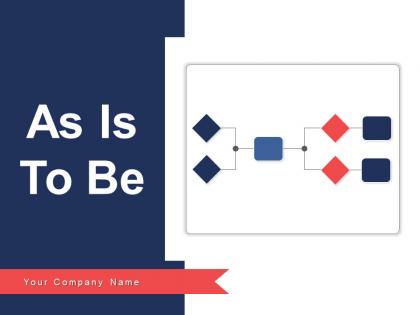
Slide 1: This slide introduces As Is To Be. State Your Company Name and begin.
Slide 2: This slide shows As Is To Be Continuous Improvement.
Slide 3: This slide presents As Is To Be Implementation.
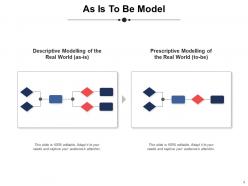
Slide 4: This slide displays As Is To Be Model with Descriptive and Prescriptive Modelling of the Real World.
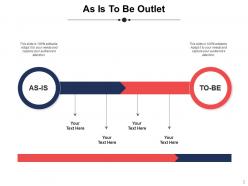
Slide 5: This slide represents As Is To Be Outlet with related diagram.
Slide 6: This is a Thank You slide with address, contact numbers and email address.
As Is To Be 2 Powerpoint Presentation Slide with all 6 slides:
Use our As Is To Be 2 Powerpoint Presentation Slide to effectively help you save your valuable time. They are readymade to fit into any presentation structure.


FAQs for As Is To Be 2
Three things will make or break your transformation: leadership that's actually committed (not just paying lip service), getting employees involved from the start, and setting up milestones you can actually measure. I've watched too many companies crash and burn because the C-suite wasn't really on board - it's painful to see. Quick wins are huge for keeping momentum going. Also, find your champions at every level of the org. Communication needs to be constant and honest because people would rather know bad news than be left guessing. The culture piece is harder than most people think, btw.
Track the obvious stuff first - revenue growth, cost savings, productivity numbers, customer satisfaction. Those hard metrics tell you if it's actually working. But don't sleep on the culture side either. Employee surveys are clutch for measuring engagement and how fast people are adopting new processes. Honestly, if your team hates the changes, you're screwed long-term regardless of what the numbers say. Most good transformations show real movement within 6-12 months. Pick like 3-5 key metrics, throw them on a dashboard, and check monthly so you can pivot if things go sideways.
Dude, culture literally makes or breaks everything. If your team's open to change and cool with failing fast, transformations just flow naturally. But stuck with risk-averse people? Good luck getting anywhere, even with perfect strategy. Here's what actually works: get leadership acting the part first - they set the tone. Celebrate every tiny win (seriously, make a big deal out of small stuff). Be super upfront about why this whole thing matters to everyone. Oh, and find those one or two people who naturally embrace change. Get them hyped early because they'll drag others along. I've watched this play out so many times - culture beats strategy every single time.
Honestly, you've got to make it personal for each person on your team. Don't just give some vague speech about "transformation" - that stuff makes people's eyes glaze over. Tell them exactly what's broken and why you need to fix it. Then show them what winning looks like for THEM, not just the company bottom line. Stories work way better than bullet points, trust me on that one. And definitely make room for their questions and worries - this stuff is scary for most people. Oh, and celebrate the small wins as you go. Nothing kills momentum faster than radio silence after you've asked everyone to change everything.
Communication is huge - you can't overcommunicate during big changes. People will assume the worst if you go quiet. Don't try to flip everything overnight either, that's how you lose your team. Honestly, the timeline thing always gets people... transformations take way longer than anyone expects because weird stuff comes up. Focus on the human element too, not just new systems and processes. Everyone needs time to get comfortable with different ways of doing things. And resist calling it a win after the first month of good results - that's premature. Start small, keep talking to everyone, let people adjust at a reasonable pace.
Honestly, tech speeds up the whole transformation thing by handling all the tedious work for you. Data analytics helps you catch problems early - way better than scrambling to fix stuff later. Your team can actually collaborate instead of drowning in email threads (seriously, who has time for that anymore). AI takes care of repetitive tasks so people can work on changes that actually matter. The trick is choosing tools that match what you're trying to accomplish. Don't just grab whatever's trendy right now. Real-time insights show you what's working too, which is huge.
Dude, your transformation project will totally tank if people aren't engaged. I'm serious - I've watched amazing strategies crash and burn because nobody cared about the team. When employees actually buy into the vision, they become your best advocates. They'll convince the skeptics way better than any corporate email ever could. But ignore them? You'll hit resistance everywhere. People will drag their feet and complain nonstop. The trick is getting everyone pumped about WHY you're making changes, not just dumping it on them. Oh, and engaged teams give you solid feedback too - that's gold.
Honestly, transparent communication is everything here. Get everyone talking early so they don't feel blindsided. People hate change when they don't get the "why" - so spell that out first. Cross-functional teams work great because suddenly everyone feels like they're part of building this thing instead of having it dumped on them. Town halls help too, even when they feel kinda repetitive. Here's the thing though - generic benefits are useless. Map out what each group actually gets from this. Oh, and find those influential people in each department who can sell it for you. They're worth their weight in gold.
Honestly, that 2x2 matrix thing (impact vs effort) is your best friend here. Start with the easy wins that'll make people feel good about the whole thing - trust me, transformation fatigue is real and you need those early victories. Once you've got some momentum and your stakeholders aren't rolling their eyes anymore, then go after the big, messy projects. Just watch out for dependencies though. Some stuff has to happen in order or you'll create a nightmare for yourself. Oh and definitely get everyone in the same room to hash out priorities - way better than trying to guess what matters most.
Honestly, data analytics is like having actual proof instead of making decisions based on gut feelings. You can see what's really happening in your operations and figure out where things are getting stuck. Plus it shows you what'll probably happen when you make changes - way better than crossing your fingers and hoping. I'd start collecting some baseline numbers right now if I were you. Trust me, you'll need them later to show the changes actually worked. The data also helps you figure out which problems to tackle first, which is huge because transformation projects can get overwhelming fast.
Don't treat sustainability like some checkbox you tick at the end - build it right into your plan from the start. Here's what I've noticed kills most transformations: companies get so excited about quick wins they forget to actually prepare their people for change. Honestly, the culture stuff matters way more than the fancy tech. Focus on metrics that show real long-term impact, not just this quarter's numbers. Set up feedback systems so you can spot problems before they blow up. Oh, and invest in training programs that actually stick - your teams need tools to keep things going when the consultants leave.
Honestly, leadership has to walk the walk first - can't just preach change while doing the same old stuff. Communication is huge because people freak out when they don't get the "why" behind everything. Look at Microsoft and Adobe - they literally killed their own cash cows to move forward (takes serious guts). Instead of just hiring externally, invest in training your current people. Oh, and here's the thing - move quickly but don't expect overnight adoption. Pick one area for a pilot program, nail some quick wins there, then ride that success to expand everywhere else.
Hey! So you need feedback loops at different points - get stakeholders involved early, test stuff with smaller groups first, then do regular check-ins as you go. Make it systematic instead of just scrambling when things blow up (which honestly happens way too often). Surveys work great, or focus groups, even quick pulse checks after big milestones. That way you can pivot before you're completely off track. I'd start by figuring out who your main feedback people are and actually put those meetings on the calendar now.
Honestly? Globalization makes everything way more complex but also opens up crazy opportunities. You're suddenly competing with companies worldwide, dealing with different regulations in every country, and trying to make your changes work across totally different cultures. The upside though - you get access to talent and tech solutions you'd never find locally. I learned this the hard way when we expanded to Asia and had to completely rethink our approach. Best advice? Build in flexibility from day one. Markets shift constantly, and you need to pivot fast when new international opportunities pop up.
Honestly, silos are what kill most transformation projects before they even start. Getting departments to work together from day one helps you spot issues early and share resources way better. People actually care about changes when they're part of creating them - who wants stuff just thrown at them from management? Set up regular check-ins between teams so everyone sees the big picture instead of just their tiny corner. You'll catch those ripple effects across the organization that nobody thinks about until it's too late. Plus collaboration just makes the whole thing less painful for everyone involved.
-
Illustrative design with editable content. Exceptional value for money. Highly pleased with the product.
-
Editable templates with innovative design and color combination.
-
Really like the color and design of the presentation.
-
I discovered this website through a google search, the services matched my needs perfectly and the pricing was very reasonable. I was thrilled with the product and the customer service. I will definitely use their slides again for my presentations and recommend them to other colleagues.
-
Presentation Design is very nice, good work with the content as well.