


Blood Pressure Monotone Icon In Powerpoint Pptx Png And Editable Eps Format




Try Before you Buy Download Free Sample Product
 Impress Your
 Audience
 100%
100% Editable
 Save Hours
 of Time


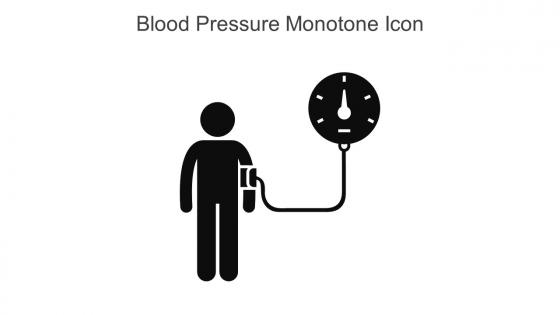
This Blood pressure monotone icon in powerpoint pptx png and editable eps format is a 100 percent editable icon. The downloaded file will have this icon in EPS, PNG and Powerpoint pptx format and is perfect for your next project. It has a simple yet stylish design.
People who downloaded this PowerPoint presentation also viewed the following :
Blood Pressure Monotone Icon In Powerpoint Pptx Png And Editable Eps Format with all 6 slides:
Use our Blood Pressure Monotone Icon In Powerpoint Pptx Png And Editable Eps Format to effectively help you save your valuable time. They are readymade to fit into any presentation structure.





FAQs for Blood Pressure Monotone Icon In Powerpoint Pptx Png And
High blood pressure in adults stems from lifestyle factors like excessive sodium intake, physical inactivity, and chronic stress, along with medical conditions including diabetes, kidney disease, and sleep apnea. These contributing factors often interconnect, with many healthcare organizations finding that addressing multiple elements simultaneously through comprehensive wellness programs delivers more effective patient outcomes and reduced cardiovascular risks.
Lifestyle changes significantly impact blood pressure by reducing sodium intake, increasing physical activity, managing stress levels, maintaining healthy weight, and limiting alcohol consumption. These modifications work together to improve cardiovascular health, with many individuals finding that consistent dietary changes, regular exercise routines, and stress management techniques can reduce readings by 10-20 mmHg, ultimately minimizing medication dependency.
Diet plays a crucial role in managing hypertension through sodium reduction, potassium-rich foods, whole grains, lean proteins, and limiting processed foods. These dietary modifications streamline blood pressure control by reducing arterial pressure, enhancing vascular function, and minimizing inflammation, with many healthcare institutions finding that patients achieve significant reductions and improved cardiovascular outcomes.
Stress and mental health significantly impact blood pressure through hormonal responses, increased heart rate, and vascular constriction that elevate readings both temporarily and chronically. Healthcare providers increasingly recognize this connection, with many hospitals and clinics integrating stress management programs, mindfulness training, and mental health screenings into hypertension treatment protocols, ultimately delivering more comprehensive patient care and improved cardiovascular outcomes.
**INPUT**: What are the most common medications prescribed for hypertension? **OUTPUT**: The most common hypertension medications include ACE inhibitors, beta-blockers, calcium channel blockers, diuretics, and ARBs (angiotensin receptor blockers). These pharmaceutical approaches streamline blood pressure management by targeting different cardiovascular mechanisms, with many healthcare systems finding that strategic combination therapies deliver enhanced patient outcomes and reduced complications.
Regular physical activity significantly reduces blood pressure by strengthening the heart muscle, improving blood vessel flexibility, and enhancing overall cardiovascular efficiency. Through consistent exercise routines, individuals can achieve lower resting blood pressure, reduced arterial stiffness, and improved circulation, with healthcare professionals increasingly recommending structured activity programs that deliver both immediate cardiovascular benefits and long-term heart health outcomes.
High blood pressure typically presents with headaches, dizziness, shortness of breath, chest pain, and nosebleeds, though many cases remain asymptomatic until complications arise. These warning signs enable healthcare providers to identify hypertension early through regular monitoring and patient awareness programs, ultimately delivering better cardiovascular outcomes and preventing serious complications like stroke or heart disease.
Blood pressure typically increases with age due to arterial stiffening, reduced vessel elasticity, and accumulated lifestyle factors like diet and stress. Individuals should be aware that systolic pressure rises more significantly than diastolic, with many adults over 65 experiencing isolated systolic hypertension, making regular monitoring and lifestyle modifications increasingly important for cardiovascular health.
Innovative home blood pressure monitoring technologies include wireless digital monitors, smartphone-connected cuffs, wearable fitness trackers with BP capabilities, oscillometric devices, and AI-powered measurement apps. These technologies enhance patient care by enabling continuous monitoring, automatic data logging, and seamless healthcare provider integration, with many medical practices finding that remote monitoring improves treatment outcomes while reducing clinic visits.
Understanding blood pressure readings empowers patients by enabling proactive health management, informed decision-making about lifestyle changes, and meaningful collaboration with healthcare providers during consultations. This knowledge helps patients recognize warning signs, track medication effectiveness, and make strategic dietary and exercise adjustments, ultimately delivering better cardiovascular outcomes and reducing long-term healthcare costs.
Untreated high blood pressure can lead to heart disease, stroke, kidney damage, vision loss, and arterial hardening, creating serious cardiovascular complications over time. These conditions significantly impact quality of life and increase healthcare costs, with many healthcare organizations finding that early intervention through monitoring and lifestyle changes delivers better patient outcomes and reduces long-term treatment expenses.
Cultural approaches to hypertension management vary significantly, incorporating traditional medicine, dietary practices, lifestyle modifications, and community-based interventions alongside conventional treatments. Asian cultures emphasize herbal remedies and meditation, Mediterranean regions focus on diet-based prevention, while African communities increasingly blend traditional healing with modern medical approaches, ultimately delivering culturally-sensitive care that enhances patient compliance and outcomes.
Recent studies reveal that irregular sleep schedules, insufficient sleep duration, and poor sleep quality significantly elevate blood pressure through disrupted circadian rhythms and increased stress hormones. Research across healthcare institutions demonstrates that consistent seven-to-eight-hour sleep patterns reduce hypertension risk by 20-30%, with sleep therapy programs increasingly becoming integral components of cardiovascular treatment protocols.
A comprehensive blood pressure management plan should include regular monitoring schedules, medication adherence protocols, dietary modifications, exercise routines, stress management techniques, and lifestyle intervention strategies. These elements work together by tracking progress, optimizing treatment effectiveness, and reducing cardiovascular risks, with many healthcare organizations finding that integrated approaches deliver better patient outcomes and long-term health improvements.
Alcohol consumption presents both immediate and long-term effects on blood pressure, with moderate intake potentially lowering levels temporarily while excessive consumption consistently elevates them. Heavy drinking damages arterial walls, increases heart rate, and disrupts sodium balance, with healthcare providers finding that patients who reduce alcohol intake often experience significant improvements in cardiovascular health and medication effectiveness.
-
Awesome presentation, really professional and easy to edit.
-
The service is fast, and I could access any presentation after buying the subscription. I don’t think I’ll ever have to worry about a presentation in my life.