


Brand Launch Market Research Internal Brand Analysis Implementation





Try Before you Buy Download Free Sample Product
 Impress Your
 Audience
 100%
100% Editable
 Save Hours
 of Time


Our Brand Launch Market Research Internal Brand Analysis Implementation are extremely adaptive. They can be changed to suit any condition.
People who downloaded this PowerPoint presentation also viewed the following :
Brand Launch Market Research Internal Brand Analysis Implementation with all 11 slides:
Our Brand Launch Market Research Internal Brand Analysis Implementation can be changed to suit any condition. You will find them extremely adaptive.

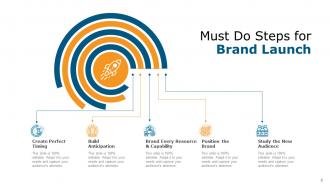
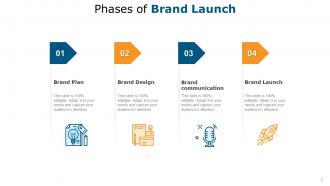
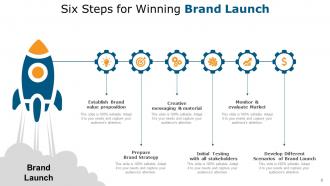
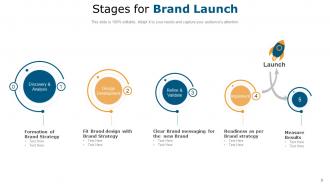

FAQs for Brand Launch Market Research Internal
Key elements for planning a brand launch include target audience research, competitive positioning, messaging strategy, channel selection, and timeline coordination. These components work together by ensuring market readiness, establishing clear differentiation, and creating consistent touchpoints across platforms, with many companies finding that strategic preparation and phased rollouts ultimately deliver stronger market penetration and sustainable brand recognition.
Storytelling enhances brand launch presentations by creating emotional connections, making complex value propositions memorable, and building audience engagement through relatable narratives. Through compelling brand stories, companies establish authentic connections with stakeholders, differentiate from competitors, and communicate their mission more effectively, with many organizations finding that narrative-driven launches generate stronger market resonance and customer loyalty.
Audience research forms the foundation of successful brand launch strategies by identifying target demographics, understanding consumer preferences, analyzing competitor positioning, and revealing market gaps. Through comprehensive research, companies can tailor messaging, select optimal channels, and position offerings strategically, with many brands finding that data-driven insights significantly increase launch success rates and market penetration.
Visual branding elements can be effectively integrated through consistent color schemes, typography, logo placement, branded templates, and cohesive imagery that reinforces brand identity. These elements streamline message delivery by creating visual continuity, enhancing brand recognition, and establishing professional credibility, with many organizations finding that strategic visual integration ultimately delivers stronger audience engagement and memorable brand impressions.
Innovative digital tools for brand launches include interactive AR experiences, live streaming platforms, gamified social media campaigns, influencer collaboration networks, and AI-powered personalization engines. These technologies enhance audience engagement by creating immersive experiences, fostering real-time interactions, and delivering targeted content, with many brands finding that strategic combinations ultimately drive higher conversion rates and lasting customer connections.
Brand launch success metrics include brand awareness levels, market share acquisition, customer acquisition costs, engagement rates, and revenue generation within defined timeframes. These measurements work together by tracking recognition through surveys and social listening, monitoring sales velocity and conversion rates, and analyzing customer feedback sentiment, with many organizations finding that combining quantitative performance data with qualitative brand perception insights delivers the most comprehensive launch assessment.
Social media strategies amplify brand launch reach by leveraging targeted advertising, influencer partnerships, user-generated content campaigns, and multi-platform storytelling to maximize audience engagement. Through strategic content distribution across platforms like Instagram, LinkedIn, and TikTok, brands create viral momentum, drive authentic conversations, and ultimately deliver broader market penetration with measurably higher conversion rates than traditional launch methods.
Common brand launch pitfalls include insufficient market research, unclear brand positioning, inadequate budget allocation, poor timing, and weak messaging consistency across channels. These missteps can significantly impact launch success, with many companies finding that rushed timelines, limited audience understanding, and fragmented communication strategies ultimately undermine brand recognition, customer engagement, and competitive positioning in increasingly crowded markets.
Timing significantly impacts brand launch success by aligning with market readiness, consumer behavior patterns, competitive landscapes, and seasonal demand cycles. Strategic timing enables companies to maximize market penetration, optimize resource allocation, and capitalize on consumer attention windows, with many brands finding that well-timed launches deliver enhanced visibility, stronger initial sales momentum, and sustainable competitive advantage.
Best practices for creating a compelling brand launch narrative include developing an authentic origin story, clearly articulating your unique value proposition, identifying emotional connection points with target audiences, establishing consistent messaging across all channels, and creating memorable moments that differentiate from competitors. These strategic storytelling elements work together by building immediate recognition, fostering customer loyalty, and generating meaningful engagement, with many successful brands finding that authentic narratives drive stronger market penetration and sustainable competitive advantage.
Strategic partnerships enhance brand launches by expanding reach through complementary audiences, sharing marketing costs, and adding credibility through established brand associations. Successful collaborations, such as tech startups partnering with established retailers or healthcare brands aligning with wellness platforms, ultimately deliver broader market penetration and shared resources, with many companies finding accelerated customer acquisition.
Post-brand launch follow-up strategies include continuous customer engagement, performance monitoring, content marketing expansion, strategic partnerships, and feedback integration systems. These approaches sustain momentum by building long-term relationships, adapting messaging based on market response, and leveraging early success stories, with many organizations finding that consistent post-launch nurturing ultimately delivers sustained growth and competitive market positioning.
Brand launch feedback informs future marketing strategies by revealing customer preferences, identifying effective messaging channels, and highlighting market positioning gaps that require adjustment. Through post-launch analytics and customer responses, organizations can refine their targeting approaches, optimize resource allocation across channels, and enhance engagement tactics, ultimately delivering more precise campaigns and stronger competitive advantage in subsequent launches.
Influencer marketing can be woven into brand launch strategies through pre-launch partnerships, product collaborations, authentic storytelling, social media takeovers, and exclusive access campaigns. These approaches enable brands to leverage established audiences, build credibility through trusted voices, and generate authentic buzz, with many retail and beauty companies finding that strategic influencer partnerships significantly accelerate brand awareness and customer acquisition.
Effective brand launch presentation techniques include storytelling with authentic narratives, visual consistency across all materials, interactive demonstrations, customer testimonials, and data-driven value propositions. These approaches enhance audience engagement by creating emotional connections, reinforcing brand identity, and demonstrating tangible benefits, with many companies finding that combining multiple techniques delivers stronger brand recall and faster market adoption.
No Reviews