

Business plan for new company powerpoint presentation slides






Try Before you Buy Download Free Sample Product
 Impress Your
 Audience
 100%
100% Editable
 Save Hours
 of Time


Tailor your business plan to your audience with this Business plan for new company PowerPoint template. A business plan lays out a written plan from a marketing, financial and operational viewpoint. Form an outline for the way you want your business to run, Get this business plan PPT presentation to establish the firm grip of your new company in the industry to which it belongs. Include the overall budget, current and projected financing, a market analysis, and its marketing strategy approach via this business proposal. Show your clients the general layout of your business strategies with this PPT layout. Provide instructions for each step of your plan and its easy comprehension by your audience. Describe the organization, the market research, competitive analysis, sales strategies, capital and labor requirements, and financial data of your new company easily using this PPT presentation. Reduce the time to make an efficient and easy to read business plan. Download this Business plan PPT model to make your business presentation short and to the point. Ensure a golden jubilee with our Business Plan For New Company Powerpoint Presentation Slides. Continue to improve along the journey.
People who downloaded this PowerPoint presentation also viewed the following :
Content of this Powerpoint Presentation
Slide 1: This slide introduces Business Plan For New Company. State Your Company Name and begin.
Slide 2: This is an Agenda slide. State your agendas here.
Slide 3: This slide showcases Table of Contents displaying- Company Overview, Our Team, Milestones Achieved, The Problem, The Solution, Value Proposition-Product Service, Traction, Product Roadmap, Go-To-Market Strategy, Competitive Landscape, Business Model, Expense Model, Revenue Model, SWOT Analaysis, Product Comparison, Growth Strategy, Marketing Strategy, Financial Projection, Financing, Use of Funds, Shareholding Pattern, Exit Strategy.
Slide 4: This slide presents Company Overview displaying- Service, Area Offering, Logo, Clientele, Introduction, Vision, Mission.
Slide 5: This slide shows an Elevator Pitch displaying- What’s the core Problem you are solving? What’s the service/product? What’s your big vision?
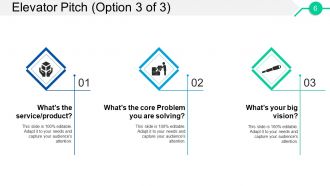
Slide 6: This slide also shows an Elevator Pitch displaying- What’s the service/product? What’s the core Problem you are solving? What’s your big vision?
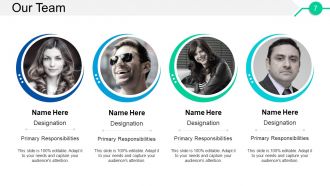
Slide 7: This is an Our Team slide with names, designation and information to fill.
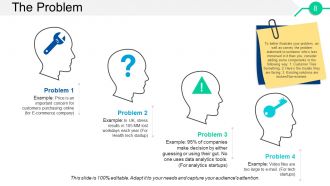
Slide 8: This is The Problem slide to present the current challenges faced. To better illustrate your problem, as well as convey the problem statement to someone who’s less immersed in it than you, consider adding some components like 1. What do you need? 2. Reason behind the need. This will provide a better understanding to the investor for your funding requirement. This slide is 100% editable. Adapt it to your needs and capture your audience's attention.
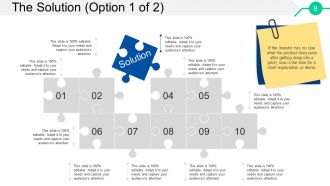
Slide 9: This slide displays The Solution. If the investor has no clue what the product does even after getting deep into a pitch; now is the time for a short explanation or demo.
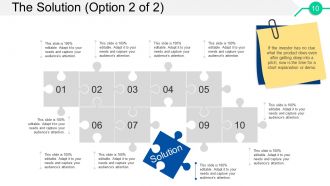
Slide 10: This slide also displays The Solution. If the investor has no clue what the product does even after getting deep into a pitch; now is the time for a short explanation or demo.
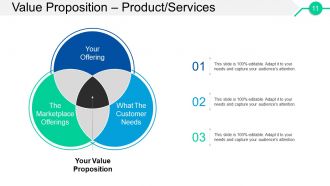
Slide 11: This slide showcases Value Proposition – Product/Services with- Your Offering, What The Customer Needs, The Marketplace Offerings, Your Value Proposition.
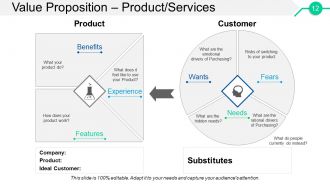
Slide 12: This slide showcases Value Proposition – Product/Services displaying Product and Customer aspects.
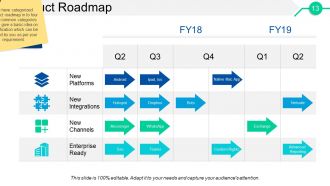
Slide 13: This slide showcases a Product Roadmap. We have categorized product roadmap in to four most common categories just to give a basic idea on classification which can be altered by you as per your requirement.
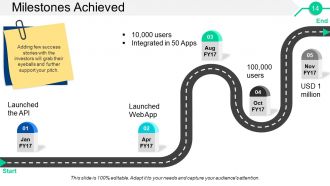
Slide 14: This slide shows Milestones Achieved. Adding few success stories with the investors will grab their eyeballs and further support your pitch.
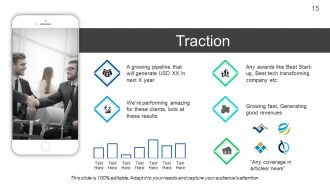
Slide 15: This slide shows Traction. State how/when your business got that exact stretch.
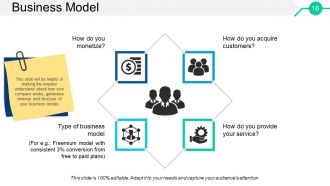
Slide 16: This is a Business Model slide displaying- Type of business model How do you provide your service? How do you monetize? How do you acquire customers? This slide will be helpful in making the investor understand about how your company works, generates revenue and structure of your business model.
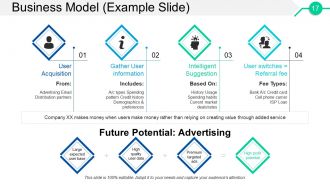
Slide 17: This is also a Business Model (Example Slide) showing- Future Potential: Advertising, User Acquisition, Gather User information, Intelligent Suggestion, User switches = Referral fee, Premium targeted ads, High profit potential, Large expected user base, High quality user data.
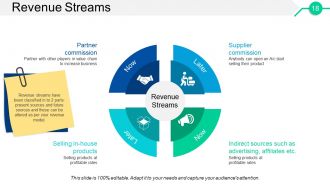
Slide 18: This slide showcases Revenue Streams displaying- Supplier commission: Anybody can open an A/c start selling their product. Indirect sources such as advertising, affiliates etc.: Selling products at profitable rates. Partner commission: Partner with other players in value chain to increase business, Selling in-house products: Selling products at profitable rates. Revenue streams have been classified in to 2 parts: present sources and future sources and these can be altered as per your revenue model.
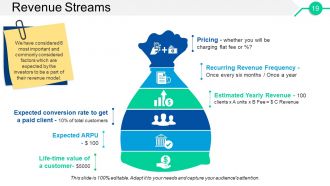
Slide 19: This slide showcases Revenue Streams displaying Pricing, Recurring Revenue Frequency, Estimated Yearly Revenue, Expected conversion rate to get a paid client, Expected ARP, Life-time value of a customer. We have considered 6 most important and commonly considered factors which are expected by the investors to be a part of their revenue model.
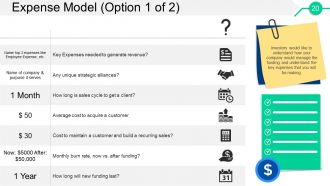
Slide 20: This slide showcases an Expense Model. Investors would like to understand how your company would manage the funding and understand the key expenses that you will be making.
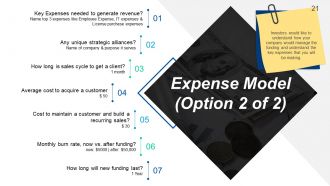
Slide 21: This slide showcases an Expense Model displaying- How long will new funding last? Monthly burn rate, now vs. after funding? Cost to maintain a customer and build a recurring sales? Average cost to acquire a customer How long is sales cycle to get a client? Any unique strategic alliances? Name of company & purpose it serves Key Expenses needed to generate revenue? Name top 3 expenses like Employee Expense, IT expenses & License purchase expenses Investors would like to understand how your company would manage the funding and understand the key expenses that you will be making.
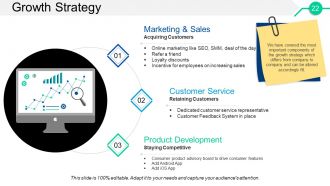
Slide 22: This slide showcases Growth Strategy with the following subheadings- Marketing & Sales (Acquiring Customers): Online marketing like SEO, SMM, deal of the day Refer a friend, Loyalty discounts, Incentive for employees on increasing sales. Customer Service: Retaining Customers, Dedicated customer service representative, Customer Feedback System in place, Product Development: Staying Competitive, Consumer product advisory board to drive consumer features, Add Android App, Add iOS App. We have covered the most important components of the growth strategy which differs from company to company and can be altered accordingly RI.
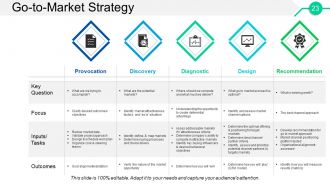
Slide 23: This slide presents Go-to-Market Strategy in tabular form.
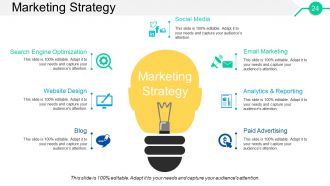
Slide 24: This slide presents Marketing Plan consisting of- Website design, Analytics and reporting, Email marketing, Social media, Paid advertising, Collaboration, Blog, Search engine optimization.
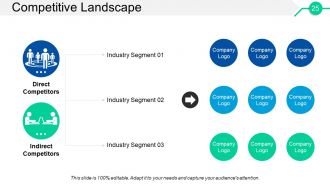
Slide 25: This slide presents Competitive Landscape showcasing- Direct Competitors, Indirect Competitors, Industry Segment , Company Logo.
Slide 26: This slide showcases Product Comparison in tabular form.
Slide 27: This is a SWOT Analysis slide.
Slide 28: This is another SWOT Analysis slide.
Slide 29: This is also a SWOT Analysis slide.
Slide 30: This is a Financial Projections slide in tabular form.
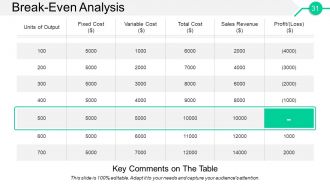
Slide 31: This is a Break-Even Analysis slide in tabular form.
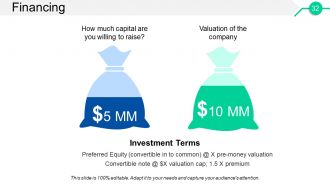
Slide 32: This slide shows Financing displaying- Investment Terms, Valuation of the company as examples. You need to have a clear idea on the valuation of company, and how much equity are you willing to dilute before going to any investor.
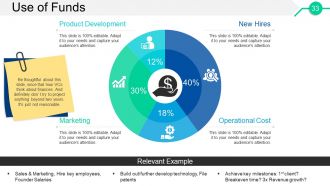
Slide 33: This slide presents Use of Funds showcasing- New Hires, Operational Cost, Marketing, Product Development.
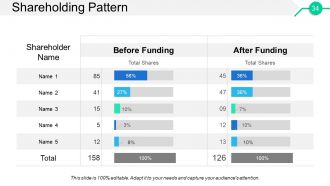
Slide 34: This slide showcases Shareholding Pattern in tabular form.
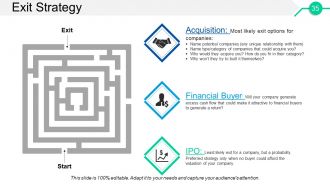
Slide 35: This slide presents the Exit Strategy categorized into- Financial Buyer, Acquisition, IPO.
Slide 36: This is a Client Testimonials slide with name, designation and text boxes to state information.
Slide 37: This is a Contact Us slide with name, designation and text boxes to state information.
Slide 38: This is a Coffee Break slide to halt. You may change the slide content as per need.
Slide 39: This is an Icons Slide Business Angel Funding. Use the icons as per need.
Slide 40: This slide is titled Additional to proceed forward. You may change the slide content as per need.
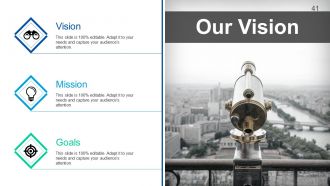
Slide 41: This slide contains Our Vision with Mission and Goals. State them here.
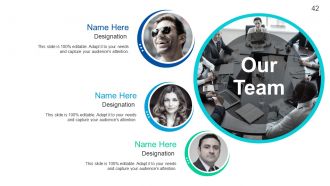
Slide 42: This slide presents Our Team with designation, image text holder and text boxes to fill information.
Slide 43: This is an About Us slide. State your position, facts, team/company specifications or anything business here.
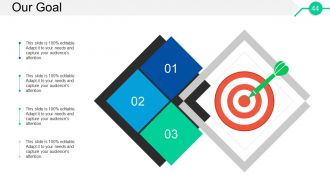
Slide 44: This slide showcases Our Goal for you to state.
Slide 45: This slide shows Comparison in a creative manner displaying male and female imagery. State comparing aspects here.
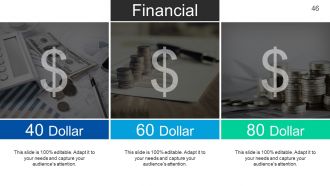
Slide 46: This slide shows Financial Score. State financial aspects here.
Slide 47: This is a Quotes slide. State business message, beliefs etc. here.
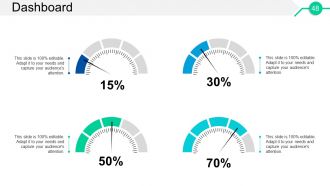
Slide 48: This is a Dashboard slide to display metrics, kpis, etc.
Slide 49: This is a Location slide of a world map image to show global growth, presence etc.
Slide 50: This is a Location slide of a world map image to show global growth, presence etc.
Slide 51: This is a Location slide of a world map image to show global growth, presence etc.
Slide 52: This is a Timeline slide to show growth, evolution etc.
Slide 53: This slide displays Important Notes to flash company event, news or anything to highlight.
Slide 54: This slide shows Target Board With Dart center. State your targets here.
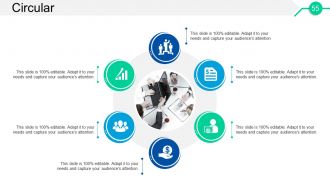
Slide 55: This slide shows a Circular image with text boxes. State information, specifications etc. here.
Slide 56: This slide displays Newspaper image to flash company event, news or anything to highlight.
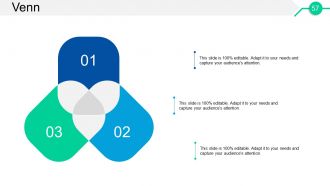
Slide 57: This slide shows a Venn diagram image with text boxes. State information, specifications etc. here.
Slide 58: This is a Mind Map Chart slide to show information, segregations, specifications etc.
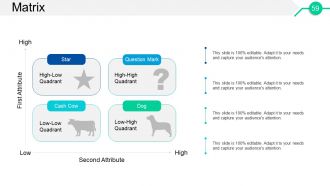
Slide 59: This is a Matrix slide to show information, specifications etc.
Slide 60: This slide shows Silhouettes image with text boxes. State information etc. here.
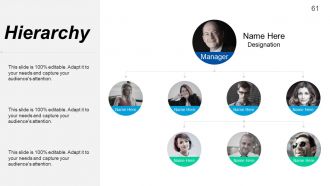
Slide 61: This is a Hierarchy slide to state team specifications, organizational structure etc.
Slide 62: This slide shows Silhouettes image with text boxes. State information etc. here.
Slide 63: This slide shows a Magnifying glass image with text boxes. State information etc. here.
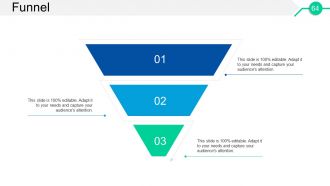
Slide 64: This slide displays a Funnel image. State information, funneling aspects etc. here.
Slide 65: This slide is titled Our Charts to proceed forward. You may change the slide content as per need.
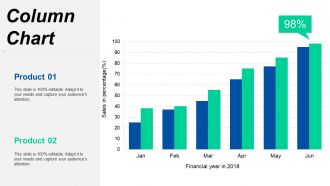
Slide 66: This slide presents a Column Chart for two product/entity comparison, information, specifications etc.
Slide 67: This slide presents a Line Chart for two product/entity comparison, information, specifications etc.
Slide 68: This slide presents a Donut Pie Chart for two product/entity comparison, information, specifications etc.
Slide 69: This slide presents a Bar Chart for two product/entity comparison, information, specifications etc.
Slide 70: This slide presents an Area Chart for two product/entity comparison, information, specifications etc.
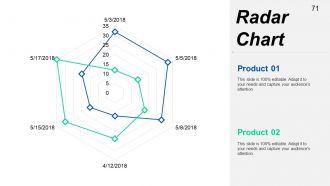
Slide 71: This slide presents a Radar Chart for two product/entity comparison, information, specifications etc.
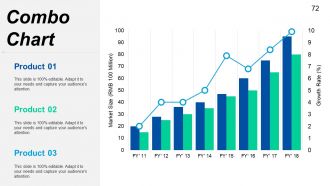
Slide 72: This slide presents a Combo Chart for two product/entity comparison, information, specifications etc.
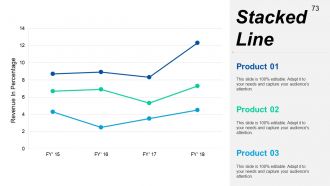
Slide 73: This slide presents a Stacked Line Graph for two product/entity comparison, information, specifications etc.
Slide 74: This is a Thank You slide with Address# street number, city, state, Contact Numbers, Email Address.
Business plan for new company powerpoint presentation slides with all 74 slides:
Battle fluctuating circumstances with our Business Plan For New Company Powerpoint Presentation Slides. End the existence of instability.
-

Business Plan For New Company
-
Agenda Slide
-
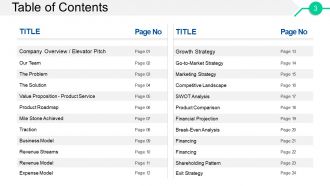
Table of Contents
-
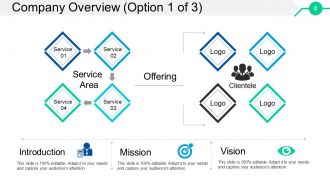
Company Overview Option 1 of 3
-
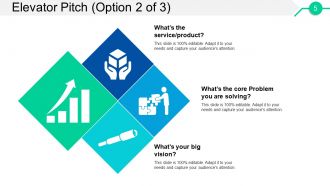
Elevator Pitch Option 2 of 3
-
Elevator Pitch Option 3 of 3
-
Our Team
-
The Problem
-
The Solution Option 1 of 2
-
The Solution Option 2 of 2
-
Value Proposition Product Services
-
Value Proposition Product Services
-
Product Roadmap
-
Milestones Achieved
-
Traction
-
Business Model
-
Business Model Example Slide
-
Revenue Streams
-
Revenue Streams
-
Expense Model Option 1 of 2
-
Expense Model Option 2 of 2
-
Growth Strategy
-
Go to Market Strategy
-
Marketing Strategy
-
Competitive Landscape
-
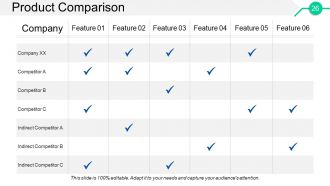
Product Comparison
-
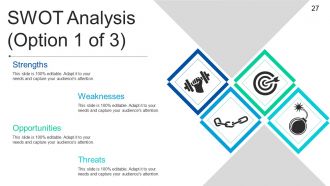
SWOT Analysis Option 1 of 3
-
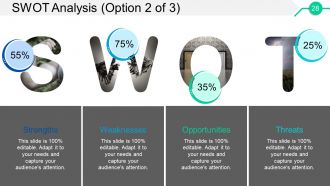
SWOT Analysis Option 2 of 3
-

SWOT Analysis Option 3 of 3
-
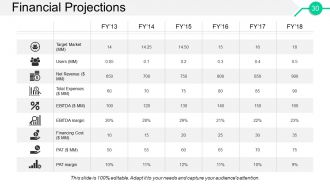
Financial Projections
-
Break Even Analysis
-
Financing
-
Use of Funds
-
Shareholding Pattern
-
Exit Strategy
-

Client Testimonials
-
Contact Details
-

Coffee Break
-
Icons Slide Business Angel Funding
-

Additional Slides
-
Our Vision
-
Our Team
-

About Us
-
Our Goal
-

Comparison
-
Financial
-

Benjamin Franklin Quote Slide
-
Dashboard
-

Location
-
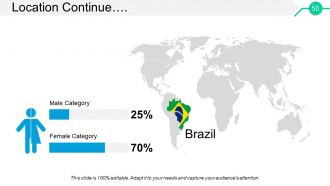
Location Continue
-

Location Continue
-
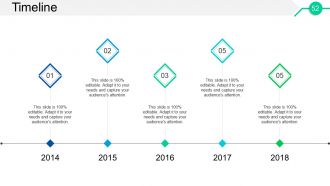
Timeline
-
Important Notes
-
Target
-
Circular
-

Newspaper
-
Venn
-

Mind Map
-
Matrix
-
Lego
-
Hierarchy
-
Silhouettes
-

Magnifying Glass
-
Funnel
-

Our Charts
-
Column Chart
-
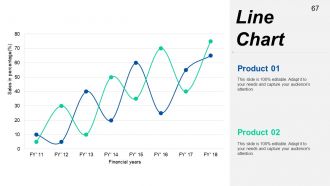
Line Chart
-
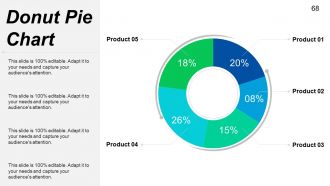
Donut Pie Chart
-
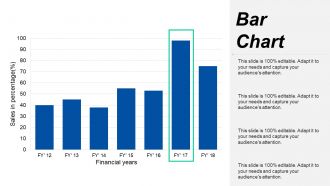
Bar Chart
-
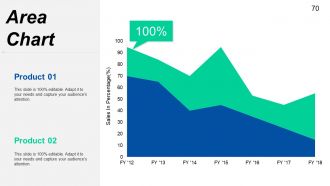
Area Chart
-
Radar Chart
-
Combo Chart
-
Stacked Line
-
Thank You
FAQs for Business plan for new company
Okay so you need the basics: problem statement, your solution, target market stuff, who you're competing against. Then hit the business model and financials - don't rush through those numbers, people actually care about them. Start with an executive summary that's basically your elevator pitch but better. Oh and definitely include your team's background because investors bet on people, not just ideas. Marketing strategy and realistic timelines too. The whole thing should tell a story from problem to profit. Keep slides visual - nobody wants to read paragraphs. Practice the timing beforehand or you'll definitely mess it up.
Dude, visuals are a game-changer for business plans. Investors don't want to stare at walls of text - they'll zone out instantly. Charts make your financial stuff actually readable. Product mockups help people picture what you're building, which honestly makes a huge difference. I always use clean infographics for market data and timeline graphics for milestones. Before/after comparisons work great too for showing the problem you're tackling. Your audience will stay way more engaged and actually remember your pitch later. Just keep each visual tied to a specific point you're making - don't throw in random pretty pictures.
Dude, don't cram every detail onto your slides - that's pitch death. Practice your timing or you'll run over and lose them. Never read straight from slides either, looks amateur. Skip the crazy optimistic projections too, investors aren't idiots and they've heard it all. Focus on three things: the actual problem, your solution, and realistic numbers. Oh and definitely practice with friends first - can't stress this enough. You'll get grilled on competition and market size so prep for that. Honestly, most people overthink the fancy stuff when really it's about storytelling and knowing your facts cold.
Honestly, you've got to switch up your whole approach depending on who you're talking to. Investors? They want ROI numbers and your path to making money - that's literally all they care about. Partners are looking for how you'll actually work together and what's in it for them. Your internal team needs the nitty-gritty operational stuff. Banks are just paranoid about risk, so show them cash flow and collateral. I always stalk LinkedIn beforehand to see who's attending, then completely reorder my slides. Put their biggest worry right up front. Using the same deck for everyone is such a rookie mistake.
Honestly, stick to 10-15 minutes for the actual pitch, then leave 5-10 for questions. I've seen too many people go over 20 minutes total and half the room just checks out. Hit the big stuff - what problem you're fixing, your solution, market size, how you'll make money, and some numbers. Don't make your slides text-heavy and definitely don't just read them out loud. Practice your timing though! You'll talk way faster when you're nervous (happens to everyone). Oh, and have a super short 5-minute version ready too - sometimes these things run behind schedule and they'll cut your time.
Honestly, the best thing I learned is to tackle objections before they even come up. Build responses right into your slides - funding worries, competition, timeline stuff. Saves you from those brutal Q&A moments (trust me on this one). When someone does challenge you, don't get all defensive. Just say something like "that's fair" or "I get why you're thinking that." Have your backup data ready but if you're stumped? Just admit it and say you'll follow up later. Oh, and definitely practice the common ones with your team first. You don't want to be standing there like a deer in headlights.
Here's what works for me: Tell it like a story where your business is the hero. Open with the specific problem you're solving - make it real, not some vague market overview. Show what happens when people try other solutions and fail. Then boom - here's your breakthrough approach. Skip the boring stats (honestly, who remembers those anyway?). Instead, walk through actual customer scenarios. I always paint that journey from their initial frustration to finally succeeding with our help. Creates way more tension than just listing features. Wrap up by describing where you'll be in a few years. The structure I use: problem → failed attempts → your solution → proof → future vision. Works every time.
Charts and graphs are your best friend here - skip the massive spreadsheets that make everyone's eyes glaze over. Hit the big three: revenue growth, cash flow, and when you'll break even. I've sat through so many pitches where founders dive into every tiny expense (like, do we really need to discuss office supplies?). Your assumptions matter way more than the final numbers, so walk through how you got there. Don't go crazy optimistic either - investors can smell BS projections from miles away. Wrap it up with exactly what you need and your timeline.
Honestly, don't skip the branding section - I've watched so many founders bomb their pitches because they think it's just fluff. Your brand shows investors you actually get your market and know how to stand out. Walk them through your brand identity and target audience, then connect it back to how you'll make money. Pricing strategy, marketing budget - it all ties together. Oh and definitely include some visuals of your brand stuff, not just logos but like the whole vibe. It's really about showing you've thought through the entire customer experience, which investors love to see.
Honestly, throw in some interactive stuff or people will just zone out on their phones. Live polls work great - like asking which market segment sounds most interesting. Q&A breaks are clutch too. Some of my best feedback has come from totally random questions I wasn't expecting. You could even do a quick brainstorming thing where they help you tackle a problem you're stuck on. Makes them feel involved instead of just sitting there. Just don't go overboard though - maybe 1 or 2 interactive moments max or it'll feel super forced.
Honestly, just stick with PowerPoint or Google Slides - they work and nobody's gonna be confused by them. Canva's amazing if you want prettier designs without hiring someone (their templates are seriously nice). There's also Prezi if you're into those swooshy zoom effects, or Pitch which is made for startup stuff specifically. But here's the thing - I'd rather see a clean PowerPoint than some overcomplicated mess, you know? Pick whatever won't stress you out, keep it simple, and make sure your colors/fonts match throughout. Oh, and don't go crazy with animations... less is more.
When you're pitching to investors, they basically want to see dollar signs - hit them with market size, revenue projections, and why you'll crush the competition. Money talks, you know? But internal presentations are totally different. Your team needs the nitty-gritty: timelines, who's doing what, resource needs, all that operational stuff. Investors want punchy decks that scream "this will make bank!" while internal stakeholders need detailed roadmaps they can actually execute. Oh, and switch up your language too - throw around financial terms with investors but keep it operational when you're talking to your own people.
Pick your top 3-4 metrics that actually tell a story - revenue growth rate is obvious, but CAC matters tons if you want investors to take you seriously. Monthly recurring revenue is clutch for subscription businesses. User growth and retention rates show people aren't just trying your product once and bailing, which honestly impresses investors more than flashy acquisition numbers sometimes. Market share stuff is good but can be tricky to pin down exact figures. Don't overwhelm them with every single data point you've got. Just make sure you can explain what's driving each trend, not just throw percentages at them.
Honestly, you gotta prep for the brutal questions they'll throw at you. Write down like 10-15 questions they'd probably ask - stuff about funding gaps, competition, market risks, whatever keeps you up at night. Then practice saying your answers out loud until they don't sound rehearsed. Get your team to brainstorm too because investors will spot holes you totally missed. Here's the thing though - if you don't know something, just say "I don't know but I'll figure it out." Way better than BS-ing your way through. The whole point is showing you've actually thought this through instead of just winging it.
Your ending needs three things: a punchy summary of what you bring to the table, a specific ask, and room for real conversation. Honestly, nothing kills momentum like trailing off with "so... any questions?" Be direct about what you want - like "We need $500K to grab 15% market share in two years" or "Next up is piloting with three enterprise clients." Then actually invite discussion. Something like "I'd love to get your thoughts on this and figure out next steps together." The summary part is key too - hit them with your main benefit in one clear sentence before you make the ask. It's way more powerful than just fading out.
No Reviews