


Characteristics Of Hospitality Industry Training Ppt




Try Before you Buy Download Free Sample Product
 Impress Your
 Audience
 100%
100% Editable
 Save Hours
 of Time


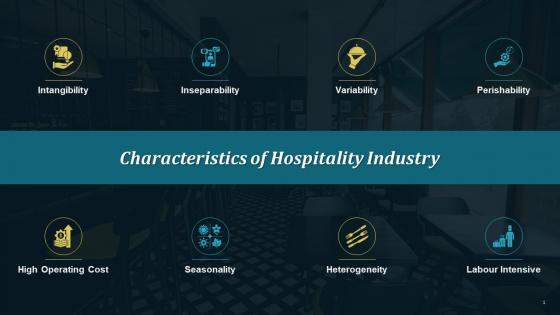
This slide showcases the characteristics of hospitality industry which are intangibility, inseparability, variability, perishability, fixed supply, and seasonality.
People who downloaded this PowerPoint presentation also viewed the following :
Characteristics Of Hospitality Industry Training Ppt with all 19 slides:
Use our Characteristics Of Hospitality Industry Training Ppt to effectively help you save your valuable time. They are readymade to fit into any presentation structure.









FAQs for Characteristics Of Hospitality
Focus on three big things: hands-on practice, role-playing with difficult customers, and solid product knowledge. Staff need to know your menu inside out so they can actually make good recommendations. Don't forget the basics either - POS training, safety stuff, all that. Honestly, most places totally blow it on soft skills training. Communication and problem-solving matter just as much as knowing how to work the register. Build in feedback sessions and refresher courses too. Oh, and start by figuring out where your service sucks the most, then create training that fixes those exact problems. Makes way more sense than generic training modules.
Skip the boring lectures and get them actually doing stuff. Mock check-ins work great - also try restaurant role-plays where they handle difficult customers. Honestly, PowerPoints are pretty much useless for this kind of training. I'd set up "mystery guest" scenarios too, those are fun and realistic. Maybe partner with hotels nearby for real practice? Oh, and complaint resolution exercises are huge - guests always have issues. Start with just one hands-on thing per session though, don't overwhelm them. They'll remember way more when they're practicing instead of just sitting there taking notes.
Dude, customer service psych is where hospitality training gets really interesting. You learn to read people's body language and figure out what they actually need before things get messy. Like that guest yelling about room rates? They're probably just exhausted from traveling and want someone to listen. Different personality types need totally different approaches too. Once you start noticing emotional triggers and stuff, it all clicks. Honestly made me way better at handling my difficult relatives lol. Get your team practicing active listening ASAP though - that's the foundation for everything else.
Honestly, tech can totally change your hospitality training game. VR simulations let staff practice tricky guest situations - I've seen hotels train front desk people on check-ins without messing up real operations, which is pretty slick. Mobile apps work great for quick learning modules. There's also AI chatbots for conversation practice, though that sounds a bit weird when I say it out loud. Gamification makes everything more fun and you can track who's actually learning. Don't just use tech because it's shiny though - pick stuff that fixes real problems. Start with one tool first.
Honestly, skip the boring lectures and go straight to role-playing scenarios. Have your staff practice real situations - like handling dietary needs during Ramadan or navigating different tipping expectations. Way more effective than PowerPoints, trust me. Communication styles matter too since some cultures are super direct while others beat around the bush. Focus on whatever demographics you actually serve rather than generic stuff. Oh, and don't forget your team probably has great cultural insights already - use them! Keep it interactive and ongoing. One-and-done training sessions are pretty much useless.
Honestly, role-play is such a lifesaver for hospitality training. You can totally bomb a scenario and it doesn't matter - no angry guests, no bad reviews. Your team gets to practice handling complaints and weird requests before the real deal. I've seen people mess up the same situation three times in training, then nail it perfectly with an actual guest later. The trick is making scenarios feel real to your specific hotel. Start with stuff that happens every day - maybe a guest locked out of their room or whatever. Then throw in the really awkward situations once everyone's comfortable.
Customer satisfaction scores are your main thing to watch - everything else flows from there. I'd also track employee retention and how confident your staff feels, because miserable workers can't fake good service (trust me on this). Mystery shopper scores help if you're doing those. Revenue per guest and upselling rates tell you if training actually moves the needle business-wise. Oh, and don't skip the basics - completion rates and knowledge tests for the training program itself. Check these monthly instead of quarterly. That way you can fix problems before they tank your whole operation.
Honestly, just weave learning into the everyday stuff instead of making it this huge formal deal. Those 10-minute huddles before shifts? Game changer - people actually share what went wrong or what they picked up from customers. Cross-training is clutch too, lets everyone try different roles. And here's the thing - you gotta celebrate the attempts, not just the wins. Someone tries something new and messes up? Still praise the effort. Growth beats perfection every time. Maybe start with just one small thing this week and see how it goes.
Honestly, the worst thing you can do is make training super generic - people zone out instantly when it doesn't relate to their actual job. Don't dump everything into orientation week either, that's brutal and they'll forget half of it anyway. Space it out instead. Skip the endless PowerPoint slides too (seriously, who learns customer service from bullet points?). Get them doing real scenarios, shadowing good employees, stuff like that. Role-playing works way better than lectures. Give feedback right away while it's fresh. Oh, and always connect it back to how it helps guests AND makes their job easier.
Dude, emotional intelligence training is seriously worth it in hospitality. You get so much better at reading people - like noticing when someone's pissed but trying to stay polite about it. Managing your own stress becomes easier too. I swear it beats most of the other training they make you sit through. The real payoff? You'll turn bad situations around way more often, which means better tips and reviews. Oh, and guests actually come back. Start watching body language first - that tells you everything before they even speak.
Ugh, the worst part is you're basically teaching people while customers are watching everything unfold. No practice time whatsoever - mistakes happen right in front of guests, which sucks. Since hospitality runs 24/7, you're often training during actual service when everyone's already stressed out. Honestly feels like throwing someone in the deep end! What works though is breaking everything into tiny pieces and pairing newbies with your most chill veterans. Those patient staff members can guide them through real situations without everyone freaking out. Short bursts of training work way better than long sessions anyway.
Honestly, guest feedback is like having a cheat sheet for fixing your training. When customers keep complaining about slow service, that's your cue to focus more on efficiency training. Pay attention to patterns - are they always praising one specific employee? Figure out what that person's doing right and teach everyone else the same tricks. Monthly reviews of comment cards and surveys will show you where there's a disconnect between what you're teaching and what's actually happening. It's basically free quality control, which is pretty sweet. Just don't let the feedback pile up - check it regularly and adjust your training modules based on what guests are actually experiencing.
Yeah, definitely do cross-training! Your front desk won't have to guess about room turnover times if they actually know how housekeeping works. Staff can cover for each other when someone calls out sick - which honestly happens way more than you'd think. Guests notice when everyone's on the same page too. I'd start small though, maybe have different departments shadow each other for a couple hours each month? Peak season gets crazy and you'll thank yourself later when people can actually jump between roles without everything falling apart.
Honestly, mentorship makes such a huge difference in hospitality. You can't just toss new people into guest service without backup - I've seen that go badly too many times. Having experienced staff show them the ropes is everything. They'll learn how to handle crazy situations and keep standards up when it gets hectic. Plus the ongoing feedback beats those one-time training sessions every time. Your veterans become walking examples of what good service looks like. I'd definitely set up formal mentor pairs on your team. It speeds up the learning curve and everyone gets along better too.
So each segment needs totally different training focus, right? Hotels are all about that guest journey - check-ins, room service, dealing with people who are staying multiple days and getting cranky. Restaurants? Complete opposite energy. Food safety is huge, POS systems, flipping tables fast. The people skills cross over but how you use them is night and day. Hotel people need endless patience for room complaints, restaurant staff gotta be quick and always pushing appetizers or whatever. Honestly I'd start by writing down every single touchpoint your customers have, then just build your training around those make-or-break moments.
-
One-stop solution for all presentation needs. Great products with easy customization.
-
Editable, diversified, compatible with MS PPT and Google Slides, and on top of that finest graphics!! I mean in the words of the famous Ross Geller, “What more do you want!”