

Introduction To Hospitality Management Training Ppt




Try Before you Buy Download Free Sample Product
 Impress Your
 Audience
 100%
100% Editable
 Save Hours
 of Time


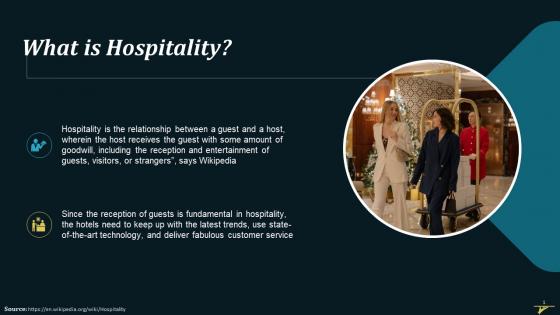
This slide covers the meaning of hospitality. Since, the reception of guests is fundamental in hospitality, the hotels need to keep up with the latest trends, use the most up-to-date technology, and deliver fabulous customer service.
People who downloaded this PowerPoint presentation also viewed the following :
Introduction To Hospitality Management Training Ppt with all 19 slides:
Use our Introduction To Hospitality Management Training Ppt to effectively help you save your valuable time. They are readymade to fit into any presentation structure.










FAQs for Introduction To Hospitality
You definitely need strong communication skills since you're talking to guests, staff, and vendors all day. Problem-solving is huge too - trust me, there's always some crisis happening and guests want it fixed yesterday. Leadership matters for keeping your team motivated, plus you'll want solid financial skills for budgets and revenue stuff. Oh, and cultural awareness is becoming more important as everything gets more international. Honestly though? Start with emotional intelligence and active listening first. Those basics will help you in pretty much any hospitality job you end up in.
Look, guests basically expect tech integration at this point - mobile check-in, smart room controls, instant room service ordering through apps. It's wild how fast this became the baseline. But here's the thing: don't just throw money at every shiny gadget. Pick stuff that actually fixes real problems your guests face. Like, nobody wants to wait in line at the front desk when they're exhausted from traveling. The best tech frees up your staff to do the human stuff that actually matters. Oh, and make sure whatever you choose is super intuitive - frustrated guests aren't happy guests.
Honestly, you've got three big things to focus on right now. Tech integration is huge - chatbots and contactless everything are pretty much expected now. Sustainability matters way more than it used to, and guests want experiences tailored just for them. Oh, and this whole "bleisure" trend is wild - people mixing business trips with vacation time. The labor shortage is actually pushing hotels toward automation faster than anyone planned. You'll see robots delivering room service (which still feels weird to me). Start with one tech upgrade though. Don't go crazy trying to do everything at once.
Start with the no-brainers - LED bulbs, smart thermostats, those towel reuse programs guests are used to. Ditch single-use plastics too. For bigger moves, partner with local farms for your restaurant and compost food scraps. Solar panels are pricey upfront but worth it if you can swing it. Guests totally expect this stuff now, which honestly makes it easier to sell. My cousin runs a B&B and says the eco-friendly angle brings in way more bookings than she expected. Most of these changes'll save you money anyway, plus you look good to all the environmentally conscious travelers.
Honestly, customer service makes or breaks everything in hospitality. Bad service? Doesn't matter how nice your place looks - people will trash you online. Good service though? That's what gets guests coming back and telling their friends about you. People aren't just buying a room or whatever - they want to feel good about the whole experience. I've stayed at fancy places with terrible staff and cheaper spots where everyone was amazing, and guess which ones I'd go back to? Train your team to actually pay attention to what guests need. Handle complaints without getting weird about it. Those little extra touches are what people remember most.
Dude, culture totally changes everything about running a hotel. Asian guests usually want that super formal, anticipatory service - like staff knowing what they need before they ask. Americans? They're all about friendly and casual vibes. Europeans expect different breakfast spreads and quieter spaces (seriously, the breakfast thing catches so many places off guard). You've gotta think about religious stuff, dietary needs, social expectations - it all matters. Train your team on whoever your main guests are and don't lock yourself into rigid service rules. Flexibility's key.
Ugh, staffing is absolutely killing everyone right now. You're probably seeing it too - can't find good people, and when you do, they want double what you paid in 2019. Guests also expect all this fancy tech stuff but who has money for new systems? Oh and supply chains are still weird which drives up your food costs. Honestly though, I'd focus on keeping the people you already have rather than constantly training newbies. Maybe cross-train them so you're not totally screwed when someone no-shows on a Saturday night.
Honestly, data analytics just turns your hunches into actual proof. Like when occupancy tanks, you can see exactly which guests bailed instead of just guessing. Track revenue per available room, customer acquisition costs, and guest lifetime value - those three will change everything about your daily calls. You'll catch booking patterns, predict when demand's gonna spike, and tweak pricing on the fly. Oh, and you can finally show your GM that breakfast buffet thing you've been arguing about! Real data beats gut feelings every time. Start tracking consistently though - that's where most people mess up.
Honestly, start with one-on-ones to figure out how each person communicates best. Some need everything written down, others are visual learners. Language stuff is probably your biggest hurdle - maybe try buddy systems or get some multilingual resources going. Cultural sensitivity training helps too, though I know that sounds corporate-y. Be flexible with schedules for religious holidays and cultural things. Oh, and definitely celebrate what everyone brings to the table instead of just tolerating differences. Written instructions work great for some people while others need you to actually show them. Lead by example and you'll be fine.
Dude, crisis management is literally everything for hotels and restaurants. Handle a data breach or food poisoning incident well? Guests will actually trust you more afterward. Mess it up though, and you're screwed for years - especially with social media making everything go viral instantly. I learned this the hard way watching a local restaurant totally bungle their response to a health violation last year. You need that crisis plan mapped out beforehand because when stuff hits the fan, there's zero time to think. Quick, honest communication saves your butt every time.
Honestly, your property's gotta stand out somehow - figure out what makes it different and push that hard. Social media is where everyone's looking, but ditch those boring empty room shots. Nobody cares about a perfectly made bed with no personality. Partner up with local spots, get your Google My Business dialed in, and obsess over reviews (respond to everything). I'd probably start by checking what your online stuff looks like right now, then pick just one thing to fix this week instead of trying to overhaul everything at once.
Honestly, ditch those boring lecture-style trainings that put everyone to sleep. Get your team doing role-plays with actual difficult guest scenarios they'll face. Cross-training is huge too - when housekeeping understands front desk issues, everything runs smoother. Set up mentorship where your rock stars coach the newbies. Focus on problems specific to your property, not some generic customer service BS. Oh, and don't make it a one-and-done thing during onboarding. Monthly refreshers keep everyone sharp, plus you can tackle any service issues right when they pop up with quick mini-sessions.
Honestly, social media is where everything happens now with guests. They're checking you out before booking, posting stories during their stay, and leaving reviews after - whether you're active or not. Instagram stories are insane for word-of-mouth these days. I'd start by just claiming your profiles and posting regularly. Behind-the-scenes stuff actually performs really well, which is nice since it's easy content. Guests expect quick responses on these platforms now. The trick is getting ahead of it instead of always playing catch-up. It's basically your main way to connect with people throughout their entire experience.
Look, the economy totally controls what you can charge. Strong economy? People splurge on hotels and restaurants, so jack up those rates. But when things get tight or inflation hits, you've gotta pivot to budget options fast or you'll lose customers. Your local scene matters just as much though - like if Amazon opens nearby, suddenly everyone's got cash. Job cuts? Time for discounts. I'd honestly check employment numbers every few months instead of doing some big annual pricing meeting. Way more responsive that way.
Try to hit every review within a day or two - good and bad ones. Quick thank you for the positive stuff, just mention something specific they said so it doesn't look copy-pasted. Bad reviews are trickier though. Own up to whatever went wrong, say sorry, then give them your email to chat privately. Never argue in public - that's like relationship drama on Facebook, nobody wins. Oh and definitely set up Google alerts for your place so you're not scrambling to find reviews later. Shows future guests you're actually paying attention.
-
Great product, helpful indeed!
-
I am extremely pleased with these PPT slides that we used for our event. They were easy to modify and came out great in all aspects!