


Hotel and restaurant management plan powerpoint presentation slides




Try Before you Buy Download Free Sample Product
 Impress Your
 Audience
 100%
100% Editable
 Save Hours
 of Time


Ensure that your hotel is warming, welcoming, and makes the guest feel like they are at home with our Hotel And Restaurant Management Plan Powerpoint Presentation Slides. This hospitality management PPT design helps you to showcase the key statistics and scope of the hospitality industry covering hotel business & lodging, food & beverage services, recreation & entertainment, clubs, and convention management. With our hotel trade PowerPoint layout, choose from the segment of hotels; develop a hotel business plan, organizational structure of the hotel industry, room divisions, room information, tourism, attractions, clubs, and gaming. Use the hospitality business PPT presentation and highlight the managerial areas of the hotel starting from business planning in the hospitality industry, pricing strategies, and effective communication. You can also create your firm’s KPI dashboard while operating with this rehabilitation PPT graphic. Keep your business in line with these current trends catering trade PowerPoint templates, to always have an edge over the competitors.
People who downloaded this PowerPoint presentation also viewed the following :
Content of this Powerpoint Presentation
Slide 1: This slide introduces Hotel & Restaurant Management Plan. State Your Company Name and begin.
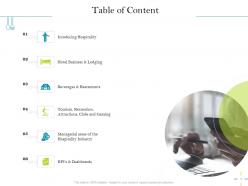
Slide 2: This slide shows Table of Content describing- Inroducing Hospitality, Hotel Business & Lodging, Beverages & Restaurants, etc.
Slide 3: This slide presents Introducing Hospitality describing- Scope of the Hospitality Industry and Key Statistics.
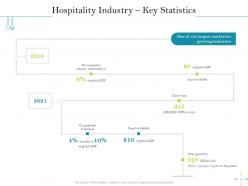
Slide 4: This slide displays Hospitality Industry – Key Statistics comparing different years data.
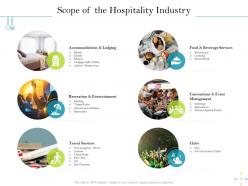
Slide 5: This slide represents Scope of the Hospitality Industry describing- Accommodations & Lodging, Campgrounds/Cabins, Recreation & Entertainment, etc.
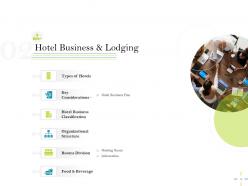
Slide 6: This slide showcases Hotel Business & Lodging describing- Rooms Division, Food & Beverage, Types of Hotels, etc.
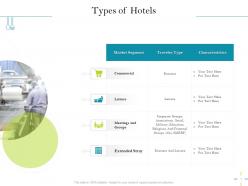
Slide 7: This slide shows Types of Hotels like- Commercial, Leisure, Extended Stray, etc.
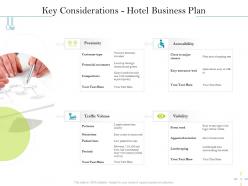
Slide 8: This slide presents Key Considerations - Hotel Business Plan.
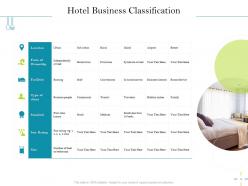
Slide 9: This slide displays Hotel Business Classification with data in tabular form.
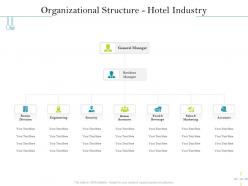
Slide 10: This slide represents Organizational Structure - Hotel Industry describing- Rooms Division, Engineering, Security, etc,
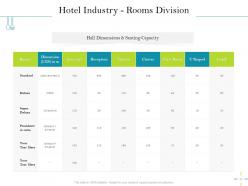
Slide 11: This slide showcases Hotel Industry - Rooms Division describing Hall Dimensions & Seating Capacity.
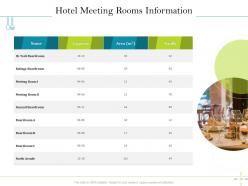
Slide 12: This slide shows Hotel Meeting Rooms Information with data in tabular form.
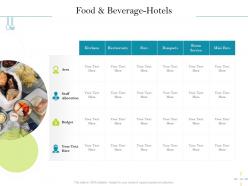
Slide 13: This slide presents Food & Beverage-Hotels describing Areas, Budget, Staff allocation, etc.
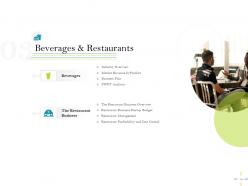
Slide 14: This slide displays Beverages & Restaurants describing- Industry Overview, Business Plan, SWOT Analysis, etc.
Slide 15: This slide represents Beverages Industry Overview describing- Beverage Market in US, Per Capital Consumption, Regional Players, etc.
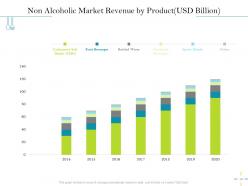
Slide 16: This slide displays Non Alcoholic Market Revenue by Product(USD Billion).
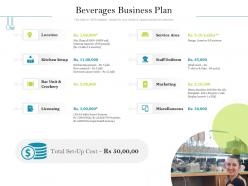
Slide 17: This slide represents Beverages Business Plan describing- Location, Kitchen Setup, Licensing, etc.
Slide 18: This slide displays SWOT Analysis- Beverages Industry with related icons.
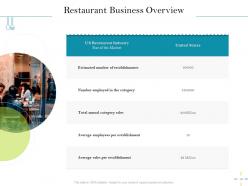
Slide 19: This slide represents Restaurant Business Overview showing data in tabular form.
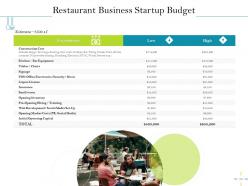
Slide 20: This slide showcases Restaurant Business Startup Budget.
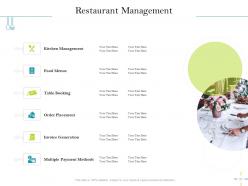
Slide 21: This slide shows Restaurant Management describing- Kitchen Management, Invoice Generation, Food Menus, etc.
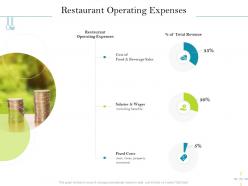
Slide 22: This slide presents Restaurant Operating Expenses describing- Cost of Food & Beverage Sales, Salaries & Wages, Fixed Costs, etc.
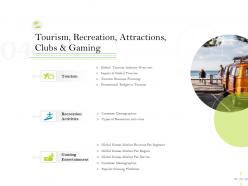
Slide 23: This slide displays Tourism, Recreation, Attractions, Clubs & Gaming.
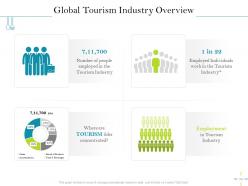
Slide 24: This slide represents Global Tourism Industry Overview with related imagery.
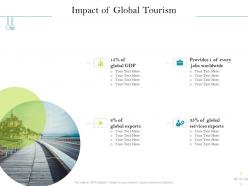
Slide 25: This slide showcases Impact of Global Tourism with related icons and text boxes.
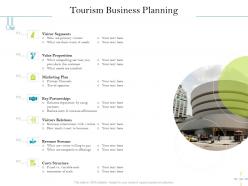
Slide 26: This slide shows Tourism Business Planning describing- Visitor Segments, Value Proposition, Marketing Plan, etc.
Slide 27: This slide presents Promotional Budget in Tourism showing data in tabular form.
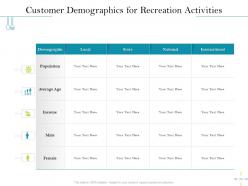
Slide 28: This slide displays Customer Demographics for Recreation Activities.
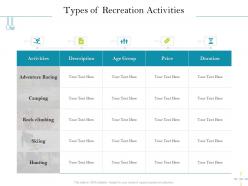
Slide 29: This slide represents Types of Recreation Activities like Camping, Skiing, Hunting, etc.
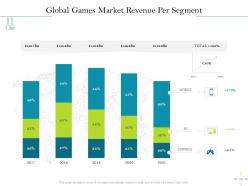
Slide 30: This slide showcases Global Games Market Revenue Per Segment with the help of Bar graph.
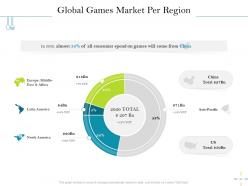
Slide 31: This slide shows Global Games Market Per Region with the help of Pie chart.
Slide 32: This slide presents Global Games Market Per Device describing- Tablet Games, Smartphone Games, Browser PC Games, etc.
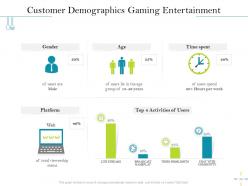
Slide 33: This slide displays Customer Demographics Gaming Entertainment like- Gender, Age, Time spent, etc.
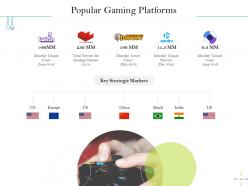
Slide 34: This slide represents Popular Gaming Platforms with relevant key strategic markets.
Slide 35: This slide displays Managerial areas of the hospitality industry.
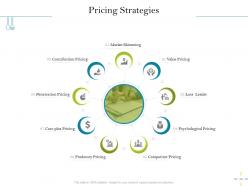
Slide 36: This slide shows Pricing Strategies describing- Market Skimming, Value Pricing, Loss Leader, etc.
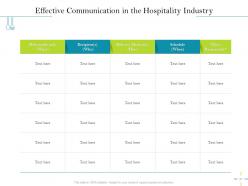
Slide 37: This slide presents Effective Communication in the Hospitality Industry.
Slide 38: This slide is titled as KPIs & Dashboards for moving towards them.
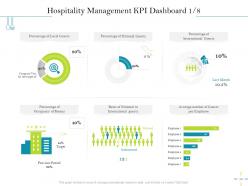
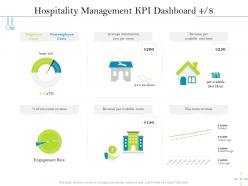
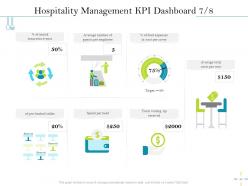
Slide 39: This slide displays Hospitality Management KPI Dashboard describing- Average number of Guests per Employee, Percentage of International Guests, etc.
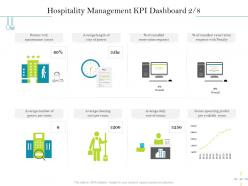
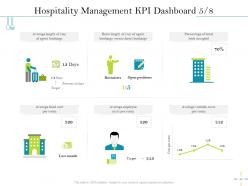
Slide 40: This slide represents Hospitality Management KPI Dashboard describing- Rooms with maintenance issues, Average length of stay of guests, Average cleaning, etc.
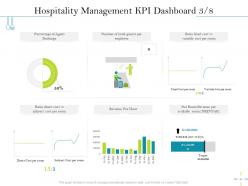
Slide 41: This slide showcases Hospitality Management KPI Dashboard describing- Revenue Per Hour, Number of hotel guests per employee, Percentage of Agent Bookings, etc.
Slide 42: This slide shows Hospitality Management KPI Dashboard describing- Net room revenue, Revenue per available room, Revenue per available seat hour, etc.
Slide 43: This slide presents Hospitality Management KPI Dashboard describing- Average variable costs per room, Average employee costs per room, Average fixed cost, etc.
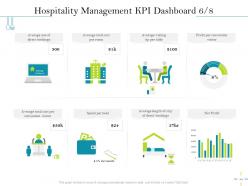
Slide 44: This slide displays Hospitality Management KPI Dashboard describing- Average size of direct bookings, Average total cost per room, Average waiting tip per table, etc.
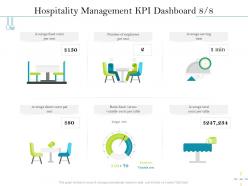
Slide 45: This slide represents Hospitality Management KPI Dashboard describing- Average total costs per seat, Average number of guests per employee, Total waiting tip received, etc.
Slide 46: This is another slide showing Hospitality Management KPI Dashboard describing- Average direct costs per seat, Average serving time, Number of employees, etc.
Slide 47: This slide displays Icons for Hotel & Restaurant Management Plan.
Slide 48: This slide is titled as Additional Slides for moving forward.
Slide 49: This is About Us slide to show company specifications etc.
Slide 50: This is Our Mission slide with related imagery and text.
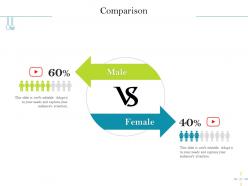
Slide 51: This is a Comparison slide to state comparison between commodities, entities etc.
Slide 52: This slide shows Linear Process with additional text boxes.
Slide 53: This slide presents Circular Process with related icons and text.
Slide 54: This slide displays Roadmap with text boxes.
Slide 55: This is a Timeline slide. Show time intervals related data here.
Slide 56: This is a Thank You slide with address, contact number and email address.
Hotel and restaurant management plan powerpoint presentation slides with all 56 slides:
Use our Hotel And Restaurant Management Plan Powerpoint Presentation Slides to effectively help you save your valuable time. They are readymade to fit into any presentation structure.





FAQs for Hotel and restaurant management plan
So you need to tackle four main areas: operations, money stuff, staffing, and how you treat customers. Operations is your inventory, quality control - all that behind-the-scenes work. Money planning is huge though - budgets, controlling costs, figuring out what revenue you'll actually hit. Don't mess this up because it'll sink you fast. Staffing means having solid hiring steps, training people properly, and scheduling that doesn't suck. Customer experience is your service standards and how you handle complaints. Map out what you're doing now first, then spot where things are falling apart. Make sure everything connects instead of departments doing their own thing.
Dude, tech is a total game-changer for guest experience. Mobile check-ins and contactless payments eliminate those awkward front desk waits. Digital menus are clutch too - people can customize orders without flagging down servers. Smart room controls honestly make everyone feel fancy, even if it's just adjusting the AC from their phone. Oh, and loyalty apps that remember what guests actually like? Pure gold. Real-time reservation systems cut down on the "how much longer?" conversations. My advice: pick one or two upgrades that fix your biggest headaches first. Don't go crazy trying to tech-out everything at once.
Honestly, start with regular team huddles - like 15 minutes weekly. Half the hotel drama I've seen comes from people just not knowing what they're supposed to do. Recognition is huge too, whether it's employee of the month or just shouting someone out in meetings. Cross-training saves your butt when people call out sick or you get slammed unexpectedly. Oh, and clear communication on daily goals - sounds basic but you'd be surprised how many places skip this. Those quick check-ins will literally save you hours of stress later.
Dude, your menu has to move with the market or you're screwed. Plant-based stuff is huge right now, so throw in more vegan options. Protein costs are killing everyone - either bump your prices or get creative with cheaper ingredients. The whole casual-fine dining thing is perfect though, you can charge fancy prices without all the stuffy white tablecloth nonsense. Social media drives so much demand too, like if some dish goes viral locally you better jump on it. I'd say check your local scene every few months and tweak things. Standing still is basically moving backwards in this business.
Look, customer feedback is like having a cheat sheet for what you're screwing up. People will tell you straight up if your room service sucks or if they actually loved the continental breakfast. Yeah, negative reviews hurt your feelings a bit, but they're way better than having the same problems keep happening. You want to give guests tons of ways to complain - comment cards, online stuff, just talking to your front desk people. The trick is actually doing something with all that info once you get it. Don't just collect feedback and ignore it.
Honestly, start with your data - look at what you've sold before to predict what you'll need. Saves you from running out of salmon mid-service (been there, it sucks). Don't go crazy with suppliers either. Pick 2-3 solid ones per category and stick with them. Get a digital system that tracks everything in real-time and tells you when to reorder. Your staff should understand how waste screws everything up, so train them on that. Oh, and do weekly meetings with kitchen, servers, and whoever does purchasing. Sounds boring but it actually works. The coordination makes a huge difference.
Dude, start with energy stuff - LED lights, smart thermostats, better appliances. Your electric bill will thank you later. Then tackle waste management with composting and ditching single-use plastics. Local sourcing is huge too, plus customers actually care about that now. Don't try doing everything at once though, you'll burn out your team. Pick one thing, maybe energy since it's easier to measure? And definitely get your staff on board early - they're doing the actual work anyway. Oh, and partner with nearby farms if you can swing it.
Honestly, start with the basics - customer service fundamentals and property knowledge. Monthly training sessions work way better than dumping everything on them at once. Role-playing is clutch for teaching problem-solving skills. But here's what most places mess up: they don't teach staff to actually make decisions. You've gotta empower them to handle issues without running to you every five minutes. Set up mentorship programs too - experienced people helping newbies just makes sense. Oh, and don't forget communication training for those really difficult guests. That stuff saves everyone's sanity.
Look, RevPAR is everything for hotels - that's revenue per available room. Restaurants need to watch food cost percentages like hawks. Labor costs matter for both, plus you'll want to track average check size and how much you're spending to get new customers. Cash flow gets tricky since hospitality is so up and down seasonally. The margins are brutal in this business, so winging it isn't an option. Guest satisfaction scores are clutch too since bad reviews will kill you online. Oh, and set up some kind of weekly dashboard - catching problems early beats scrambling later.
Honestly, it's huge - culture affects literally everything you'll do. Your menu has to match what locals actually eat and like, plus any dietary restrictions they have. I'd definitely hire local people who get the food traditions and can explain dishes properly. Service style matters too - some places want fancy formal treatment, others prefer that laid-back family vibe. Local ingredients are usually way cheaper and fresher anyway, which is a win-win. Oh, and dining customs are important to nail down too. I'd start by really digging into your local market research first, maybe even bring in a local food consultant if you can swing it.
Focus on stuff people actually want to post about - photo contests with your best dishes work great. Behind-the-scenes kitchen content is gold too. Partner up with local influencers or other businesses for cross-promotion. That whole "if you build it they'll come" thing? Yeah, that's dead. Send targeted emails based on what guests actually order, not generic blasts. Oh, and loyalty programs need real perks - those expiring points are annoying as hell. I'd honestly pick just one thing to start with and see how your crowd responds before going crazy with everything.
Honestly, you've gotta start tracking your slow periods now so you're not scrambling later. Cross-train your staff so you can shuffle people around instead of firing anyone - way less drama. Peak season? Bump those prices up and require minimum stays. I always thought the off-season stuff was boring but it's actually smart - perfect time for renovations and training people properly. Target completely different crowds too, like business travelers when tourists disappear. Oh, and locals love a good deal during dead periods. The trick is setting this all up before you're desperate and making panic decisions.
Compliance is honestly a nightmare - health dept, fire codes, liquor licenses, labor laws, ADA stuff. Food safety will probably stress you out the most because one bad inspection = doors closed. Your HACCP plans better be bulletproof. Employment law is huge too - wages, worker safety, hiring practices. Oh and licensing requirements are all over the place depending on your state, which is super annoying. I'd start with your local health department first since they're usually decent about walking you through everything. Most state hospitality regulations have decent guidance too.
Dude, location is everything - seriously can't stress this enough. You might have incredible food, but stuck somewhere with no foot traffic? Good luck. Hotels need to be near airports or tourist spots to fill rooms and charge decent rates. Restaurants are all about visibility and getting the right crowd walking by. Honestly, I've seen so many places fail just because they picked a terrible spot. You can always change your menu or redo the decor later, but you're stuck with wherever you chose. Spend the extra time researching - it's worth it.
Start with basic inspection checklists - kitchen sanitation, guest rooms, the usual stuff. Mystery shoppers are honestly your best bet though, they'll spot things your team misses. Daily temp logs help a ton, plus actually testing pool chemicals and cleaning solutions (not just eyeballing it). Guest feedback is huge - surveys and online reviews show you exactly where you're screwing up. Oh, and don't just write down problems and forget about them. Track everything until it's actually fixed, otherwise you're just making lists for no reason.
-
Much better than the original! Thanks for the quick turnaround.
-
Great experience, I would definitely use your services further.
-
Top Quality presentations that are easily editable.
-
Use of icon with content is very relateable, informative and appealing.
-
Great quality slides in rapid time.
-
Great experience, I would definitely use your services further.