

Restaurant operations management powerpoint presentation slides





Try Before you Buy Download Free Sample Product
 Impress Your
 Audience
 100%
100% Editable
 Save Hours
 of Time


Restaurant Operations Management PowerPoint Presentation Slides is perfect for hospitality professionals to represent their restaurant business. Use this food and beverage management PPT theme to showcase current challenges, weekly sales reports, and competitive landscape analysis. Take advantage of the stunning visuals of this hotel operations management PowerPoint slideshow to present the possible management solutions. With the help of our hospitality management PPT template, you can demonstrate different types of restaurant management system solutions. F and B PowerPoint presentation is helpful for users to explain how to select the best point of sale system. This food service business plan PPT slideshow includes impressive data visualization tools to explain sophisticated information like the restaurant inventory management system. You can showcase human resources information like an online attendance system for restaurant employees with the help of the hospitality industry plan PowerPoint theme. So, download the solution for managing restaurant PPT deck to outline all the fundamentals including safety management, marketing management, and financial analysis.
People who downloaded this PowerPoint presentation also viewed the following :
Content of this Powerpoint Presentation
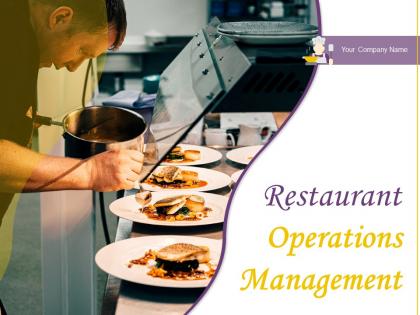
Slide 1: This slide introduces Restaurant Operations Management. Mention your Company name and begin.
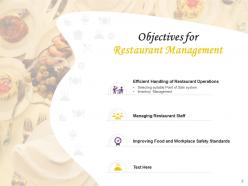
Slide 2: This slide shows Objectives for Restaurant Management.
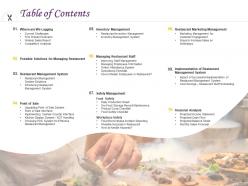
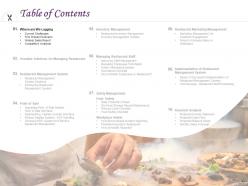
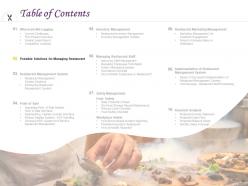
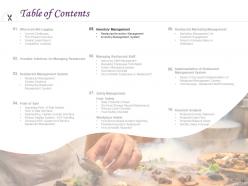
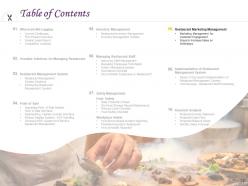
Slide 3: This slide displays Table of Contents of the presentation.
Slide 4: This slide displays Table of Contents.
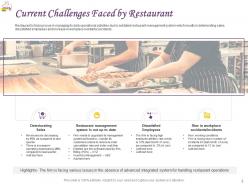
Slide 5: This slide presents Current Challenges Faced by Restaurant.
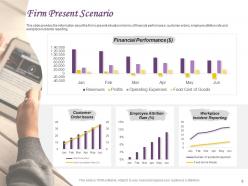
Slide 6: This slide provides the information about the firm’s present situation in terms of financial performance, customer orders, employee attrition rate and workplace incidents reporting.
Slide 7: This slide depicts Restaurant Weekly Sales Report. This slide portrays the sales report with number of customers, food items sold on weekly basis. It provides information about how much sales are generated on per day basis. This helps the firm in segregating the days with minimum and maximum sales.
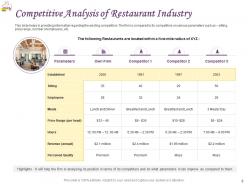
Slide 8: This slide showcases Competitive Analysis of Restaurant Industry
Slide 9: This slide shows Table of Contents.
Slide 10: This slide shows Possible Solutions for Managing Restaurant.
Slide 11: This slide displays Table of Contents.
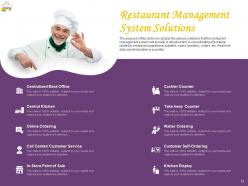
Slide 12: This slide represents Restaurant Management System Solutions
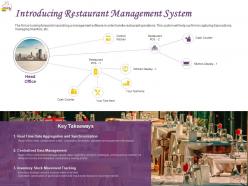
Slide 13: This slide displays the Introduction of Restaurant Management System
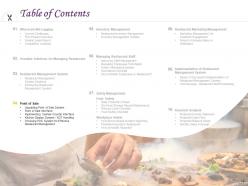
Slide 14: This slide displays Table of Contents.
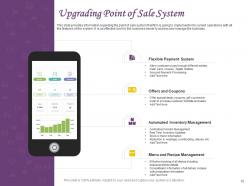
Slide 15: This slide provides information regarding the point of sale system that firm is going to implement in its current operations with all the features of the system. It is an effective tool for the business owner to assess and manage the business.
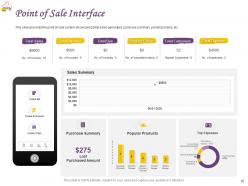
Slide 16: This slide presents the point of sale system showcasing total sales generated, purchase summary, pending orders, etc.
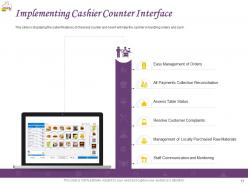
Slide 17: This slide is displaying the salient features of checkout counter and how it will help the cashier in handling orders and cash.
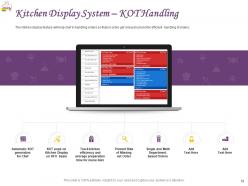
Slide 18: The kitchen display feature will help chef in handling orders so that no order get missed out and for efficient handling of orders.
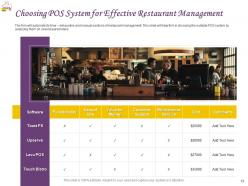
Slide 19: This slide is about Choosing POS System for Effective Restaurant Management.
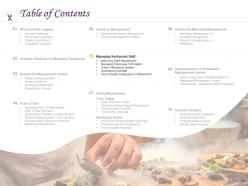
Slide 20: This slide showcases Table of Contents.
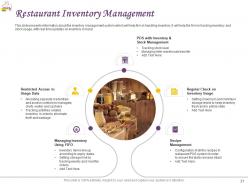
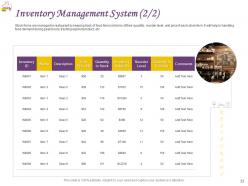
Slide 21: This slide presents information about the inventory management system which will help firm in handling inventory. It will help the firm in tracking inventory and stock usage, with real time updates on inventory in hand.
Slide 22: This slide showcases Inventory Management System.
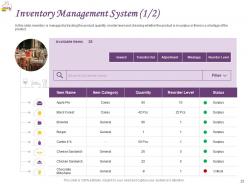
Slide 23: This slide shows Inventory Management System.
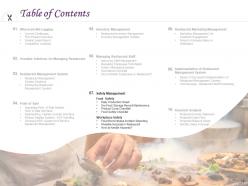
Slide 24: This slide displays Table of Contents.
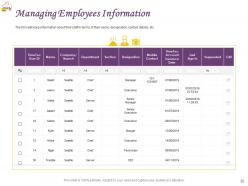
Slide 25: This slide is about Managing Employees Information. The firm will keep information about their staff in terms of their name, designation, contact details, etc.
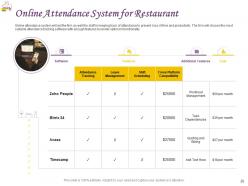
Slide 26: This slide shows Online Attendance System for Restaurant.
Slide 27: This slide depicts Operational Checklist.
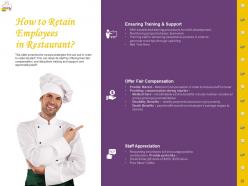
Slide 28: This slide presents the various strategies firm can use in order to retain its staff. Firm can retain its staff by offering them fair compensation, providing them training and support, and appreciating staff.
Slide 29: This slide shows Table of Contents.
Slide 30: This slide presents Daily Production Sheet. The daily production sheet will be used to keep track of the food item prepared in breakfast, lunch, dinner in terms of quantity of food prepared, preparation time, etc.
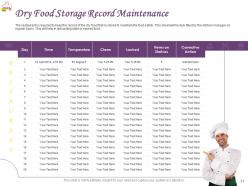
Slide 31: This slide showcases Dry Food Storage Record Maintenance.
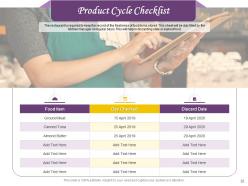
Slide 32: This slide shows Product Cycle Checklist.
Slide 33: This slide represents Food Safety Checklist – Employee Orientation.
Slide 34: This slide is displaying Food Borne Illness Incidence Reporting. The restaurant should report incidents which are related to food in terms of stale or expiry food resulting illness.
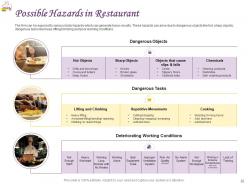
Slide 35: This slide shows Possible Hazards in Restaurant.
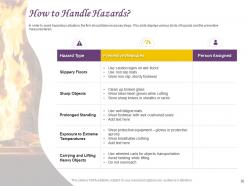
Slide 36: This slide discusses about How to Handle Hazards. In order to avoid hazardous situation, the firm should take necessary steps. This slide displays various kinds of hazards and the preventive measures taken.
Slide 37: This slide displays Table of Contents.
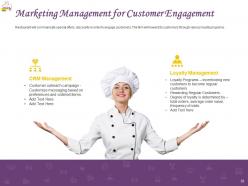
Slide 38: This slide showcases Marketing Management for Customer Engagement.
Slide 39: This slide highlights the Ways to Increase Sales on Weekdays at Restaurant.
Slide 40: This slide shows Table of Contents.
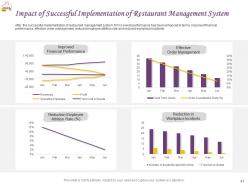
Slide 41: This slide showcases Impact of Successful Implementation of Restaurant Management System.
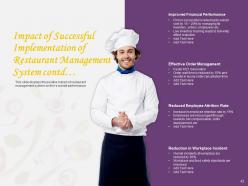
Slide 42: This slide is continued with Impact of Successful Implementation of Restaurant Management System. This slide displays the positive impact of restaurant management system on firm’s overall performance.
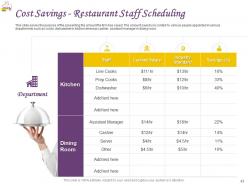
Slide 43: This slide shows Cost Savings - Restaurant Staff Scheduling.
Slide 44: This slide shows Table of Contents of the presentation.
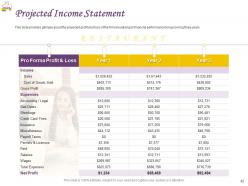
Slide 45: This slide shows Projected Income Statement. This slide provides glimpse about the projected profit and loss of the firm visualizing its financial performance for upcoming three years.
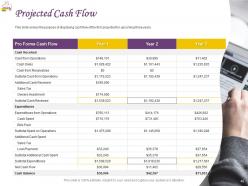
Slide 46: This slide shows Projected Cash Flow. This slide serves the purpose of displaying cash flow of the firm projected for upcoming three years.
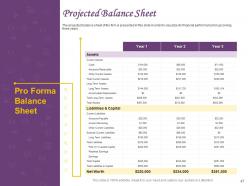
Slide 47: This slide presents Projected Balance Sheet. The projected balance sheet of the firm is presented in this slide in order to visualize its financial performance for upcoming three years
Slide 48: This slide presents Monthly Sales Forecast. The purpose of this slide is to provide glimpse about sales and cost projections of the firm for next three months.
Slide 49: This is How to Manage Restaurant Business Icons Slide
Slide 50: This slide is titled as Additional Slides
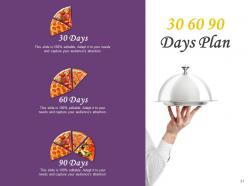
Slide 51: This is 30 60 90 Days Plan
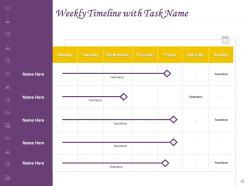
Slide 52: This is Weekly Timeline slide with Task Name
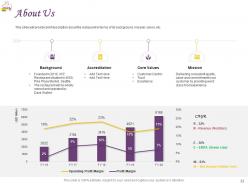
Slide 53: This is About Us slide to showcase Company specifications. This slide will provide brief description about the restaurant in terms of its background, mission, vision, etc.
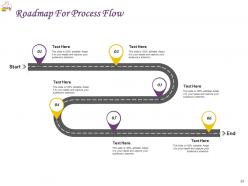
Slide 54: This slide shows Roadmap process.
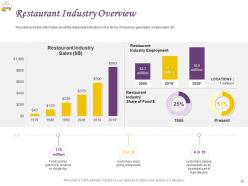
Slide 55: This slide showcases Restaurant Industry Overview.
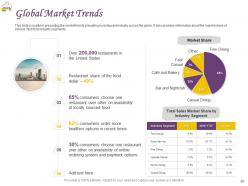
Slide 56: This slide shows Global Market Trends. This slide is useful in presenting the market trends prevailing in restaurant industry across the globe. It also provides information about the market share of various fast food industry segments.
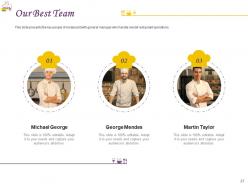
Slide 57: This slide presents the key people of restaurant with general manager who handle overall restaurant operations.
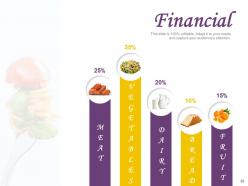
Slide 58: This is Financial slide. Showcase finance related stuff here.
Slide 59: This is Comparison slide.
Slide 60: This slide displays Our Mission, Vision and Values.
Slide 61: This is Thank You slide with Address, Email address and Contact number.
Restaurant operations management powerpoint presentation slides with all 61 slides:
Use our Restaurant Operations Management Powerpoint Presentation Slides to effectively help you save your valuable time. They are readymade to fit into any presentation structure.













FAQs for Restaurant operations management
Dude, you've gotta nail both front and back operations at the same time. Inventory management is clutch. Staff scheduling that doesn't suck. Food quality has to stay consistent - customers notice when it drops off. Labor costs will absolutely destroy you if you're not watching them like a hawk. I learned that one the hard way lol. Get systems for everything though - prep workflows, table turnover, the works. You want to standardize stuff without making it feel robotic, you know? Customers still want that personal vibe. Maybe start by writing down one process this week and see if it helps things flow better.
Look, technology just handles all that mind-numbing repetitive crap so you don't have to. POS systems sync your inventory automatically - no more staying late to count everything by hand (trust me, you'll thank me later). Get a scheduling app and let your staff swap shifts themselves instead of dealing with constant texts. Kitchen displays are a game-changer too since nobody can read server handwriting anyway. Payment processing gets people in and out faster, plus reservation systems stop those awkward overbooking moments. Honestly though, just pick whatever's driving you most insane right now and fix that first.
Dude, training your staff is probably the best money you'll spend. Orders run way smoother when everyone knows what they're doing. You'll get fewer screwups, faster table turns, and your team won't completely lose it during dinner rush. Food waste drops too, which is huge for your bottom line. Make training modules for each job - sounds boring but trust me on this. Even your veteran servers need refreshers sometimes. I learned this the hard way at my cousin's place when we skipped retraining and everything went to hell during a busy weekend.
Dude, inventory management is a game changer for your margins. Food waste alone will kill your profits - I've seen places lose thousands just from stuff sitting too long in the walk-in. Track what's actually selling and what isn't, then tweak your portions before things go bad. Your suppliers will also give you better deals when you know your exact needs instead of just guessing. Oh, and you'll spot theft way faster too. Honestly? Just start counting your expensive stuff weekly. Don't overthink it - pick like 10 high-cost items and go from there.
Honestly, you gotta nail down your recipes first - like actual measurements, not "a pinch of this." Get detailed recipe cards for everything. Your staff needs proper training on these standards too, and I'd do regular taste tests because things drift over time without you realizing. Quality checks should happen during prep, while cooking, and right before food goes out. Make it part of the daily flow instead of scrambling when someone complains. Oh, and don't forget plating consistency - customers notice when portions look different. It's way harder than people expect, but once you've got systems in place, it becomes automatic.
Honestly, most people won't bother with surveys but they'll totally chat with your servers while they're eating. So train your staff to just casually ask how everything is. QR codes on tables work great for digital feedback cards - way easier than paper. Also follow up with email surveys after visits and keep an eye on Google/Yelp reviews. The real trick is responding fast, like within 24 hours if someone complains. And definitely thank people publicly when they leave good reviews. Multiple ways to collect feedback = better results. Just make it simple for customers to share what they think, then actually do something about it.
Dude, it's all about prep and not panicking when shit hits the fan. Get everything portioned and stations set up way before you need them. Brief your team on specials too - saves so much confusion later. During the crazy rush, have someone calling out orders and keeping things moving. Put your best people on during peak times (duh) and make sure everyone can cover different spots when needed. Oh, and FOH needs to actually talk to kitchen about how long tickets are taking. Honestly, the biggest thing is staying calm yourself because if you're losing it, everyone else will too. Do a quick team meeting beforehand.
Your kitchen layout is seriously everything - bad design will kill your service speed. Map out how your most popular dishes flow from prep to plate first. Then build your stations around that. Short walks between stations = happy staff who aren't crashing into each other during dinner rush. Make sure your expo can actually see what's happening at each station too. I've seen so many places where cooks are basically playing bumper cars because someone thought the layout looked cool on paper. Trust me, smooth workflow beats pretty design every time.
Honestly, it's like juggling while blindfolded half the time. Demand forecasting is basically educated guessing, and when you're wrong with perishables, you're just burning money. Suppliers flake out, weather screws up deliveries, and don't get me started on seasonal price jumps. Then you've got all these food safety regulations breathing down your neck - every order needs paper trails and compliance checks. My advice? Line up backup suppliers for everything important. Something always breaks at the worst possible moment, so having plan B ready saves your butt. Oh, and build actual relationships with your vendors - they'll prioritize you when stuff hits the fan.
Oh dude, social media can totally save your restaurant! Pick one platform first - don't spread yourself too thin. Post daily specials when it's slow to get people in the door. Real-time updates about wait times are clutch too. I saw this taco place blow up just from posting behind-the-scenes stories on Instagram, like their prep work and stuff. It's wild how much people love that. Customer comments are goldmines for catching problems early. Even just 15 minutes a day makes a huge difference. You'll see results pretty quick if you stay consistent with it.
Look, these regulations basically control your whole operation - storage temps, hygiene rules, equipment maintenance, all of it. You'll spend real time and money on training plus inspections, and yeah, the paperwork is annoying but everything needs documentation. Most places that do well just bake this stuff into their daily routine instead of treating it like extra work. Your team shouldn't even think about compliance if it's built into normal procedures. Oh, and definitely figure out which specific regs apply to your setup first - some don't even matter depending on what you're doing.
Honestly, you've gotta find that balance where you're not cutting stuff customers actually see. I'd focus on back-office things - better inventory tracking, less food waste, smarter scheduling when it's dead. Don't mess with portion sizes or ingredient quality though, that'll bite you. We tried saving money on garnishes once and people definitely noticed lol. Track your food costs every day and make sure staff know proper portions. Oh and service speed matters way more than you think. Do it right and customers stay happy while your margins get better.
Honestly, start with food costs (shoot for 28-35%) and labor as a percentage of sales - that's usually around 25-35%. Table turnover during rush hours is huge too. Obviously customer satisfaction scores matter since nobody's coming back if the experience sucked. Average ticket size tells you a lot, and definitely track waste because that's just money in the trash. But here's the thing - don't try tracking everything right away or you'll go crazy. Pick maybe 3-4 that match whatever's keeping you up at night. Master those first, then add more once it becomes second nature.
Oh man, seasonal menus are such a pain but worth it. Your kitchen crew needs retraining on all the new recipes - I'd block out extra shifts before launch because rushing it never works out well. Inventory gets messy too since you're suddenly working with different suppliers and costs that'll throw off your food calculations. Don't forget your servers need time to actually understand what they're selling (awkward when they can't describe a dish, right?). I'd give yourself like 2-3 weeks for the whole transition and maybe hire a couple extra people that first week. Trust me on the extra hands thing.
Dude, sustainability isn't just trendy anymore - it's literally expected. Customers will roast you online if you're being wasteful (learned that the hard way). Most places start with the obvious stuff: better inventory to cut food waste, local sourcing, LED lights. The money side actually works out pretty well - less waste equals better margins. My advice? Pick one thing first, maybe composting or energy-efficient equipment. Don't try to overhaul everything at once. The ROI kicks in faster than you'd think, and honestly, it just feels good knowing you're not throwing money in the dumpster every night.
-
i need some restaurant management and improvement presentation
-
i need some restaurant management and improvement presentation
-
Great quality product.