


How to manage restaurant business powerpoint presentation slides




Try Before you Buy Download Free Sample Product
 Impress Your
 Audience
 100%
100% Editable
 Save Hours
 of Time


How To Manage A Restaurant Business PowerPoint Presentation Slides is custom-tailored for hotel and restaurant industry professionals. Our hospitality management PPT theme enables restaurateurs to consolidate business highlights, challenges, opportunities, and solutions. Demonstrate the present firm situation, weekly restaurant sales report, and competitive landscape analysis using our restaurant management PowerPoint template. Illustrate a sound restaurant management system like centralized data management through our food and beverage business PPT slides deck. The hospitality service PowerPoint presentation outlines the vital point of sale aspects such as selecting POS, POS interface, and POS up-gradation system. The extensive layout of this service industry PPT template offers a blueprint of a well managed and well-thought-out restaurant management. The stunning F&B industry PowerPoint theme helps you to compile data that is crucial to real-life implementation. From safety management to staff management, you can conveniently edit the restaurant business PPT templates to personalize information. So, hit the download button to get access to the comprehensive restaurant management PowerPoint presentation.
People who downloaded this PowerPoint presentation also viewed the following :
Content of this Powerpoint Presentation
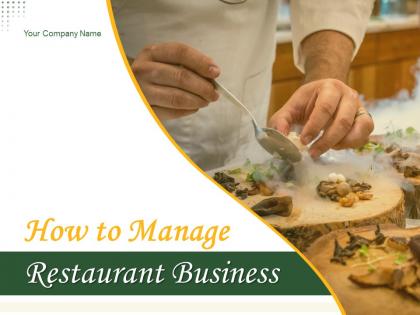
Slide 1: This slide introduces How to Manage Restaurant Business. State your Company name and begin.
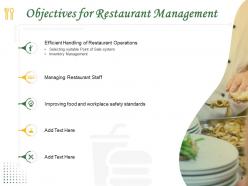
Slide 2: This slide shows Objectives for Restaurant Management.
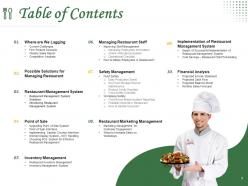
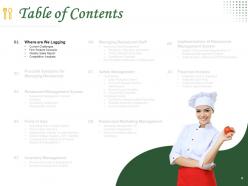
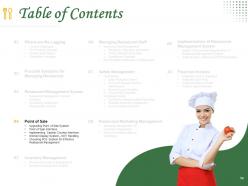
Slide 3: This slide displays Table of Contents of the presentation.
Slide 4: This slide displays Table of Contents.
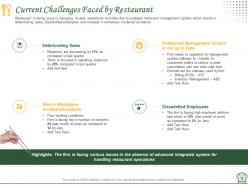
Slide 5: This slide presents Current Challenges Faced by Restaurant.
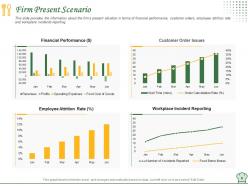
Slide 6: This slide provides the information about the firm’s present situation in terms of financial performance, customer orders, employee attrition rate and workplace incidents reporting.
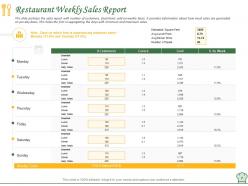
Slide 7: This slide depicts Restaurant Weekly Sales Report. This slide portrays the sales report with number of customers, food items sold on weekly basis. It provides information about how much sales are generated on per day basis. This helps the firm in segregating the days with minimum and maximum sales.
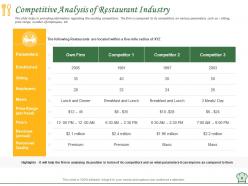
Slide 8: This slide showcases Competitive Analysis of Restaurant Industry
Slide 9: This slide shows Table of Contents.
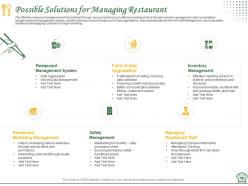
Slide 10: This slide shows Possible Solutions for Managing Restaurant.
Slide 11: This slide displays Table of Contents.
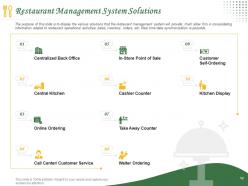
Slide 12: This slide represents Restaurant Management System Solutions
Slide 13: This slide displays the Introduction of Restaurant Management System
Slide 14: This slide displays Table of Contents.
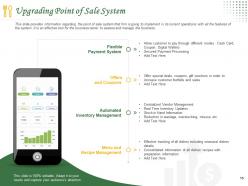
Slide 15: This slide provides information regarding the point of sale system that firm is going to implement in its current operations with all the features of the system. It is an effective tool for the business owner to assess and manage the business.
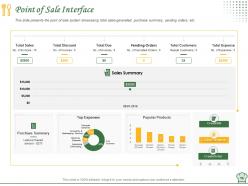
Slide 16: This slide presents the point of sale system showcasing total sales generated, purchase summary, pending orders, etc.
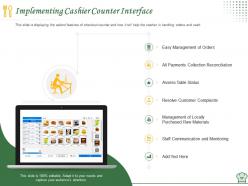
Slide 17: This slide is displaying the salient features of checkout counter and how it will help the cashier in handling orders and cash.
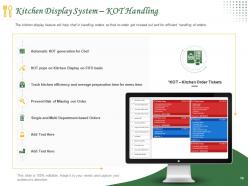
Slide 18: The kitchen display feature will help chef in handling orders so that no order get missed out and for efficient handling of orders.
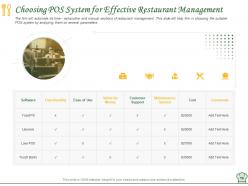
Slide 19: This slide is about Choosing POS System for Effective Restaurant Management.
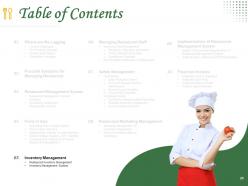
Slide 20: This slide showcases Table of Contents.
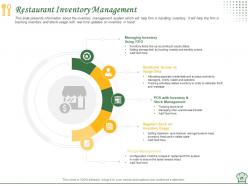
Slide 21: This slide presents information about the inventory management system which will help firm in handling inventory. It will help the firm in tracking inventory and stock usage, with real time updates on inventory in hand.
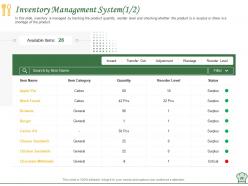
Slide 22: This slide showcases Inventory Management System.
Slide 23: This slide shows Inventory Management System.
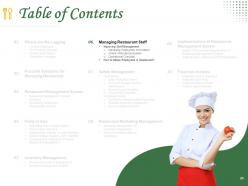
Slide 24: This slide displays Table of Contents.
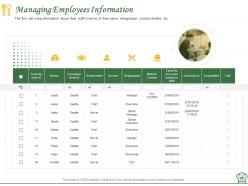
Slide 25: This slide is about Managing Employees Information. The firm will keep information about their staff in terms of their name, designation, contact details, etc.
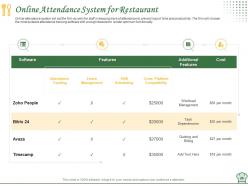
Slide 26: This slide shows Online Attendance System for Restaurant.
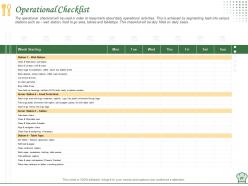
Slide 27: This slide depicts Operational Checklist.
Slide 28: This slide presents the various strategies firm can use in order to retain its staff. Firm can retain its staff by offering them fair compensation, providing them training and support, and appreciating staff.
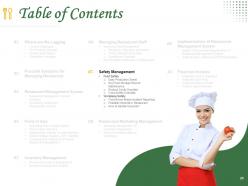
Slide 29: This slide shows Table of Contents.
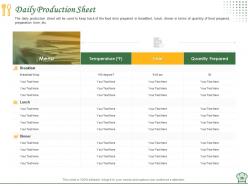
Slide 30: This slide presents Daily Production Sheet. The daily production sheet will be used to keep track of the food item prepared in breakfast, lunch, dinner in terms of quantity of food prepared, preparation time, etc.
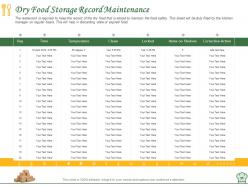
Slide 31: This slide showcases Dry Food Storage Record Maintenance.
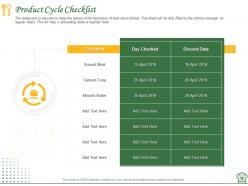
Slide 32: This slide shows Product Cycle Checklist.
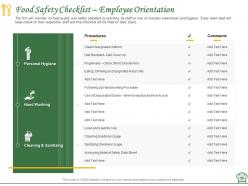
Slide 33: This slide represents Food Safety Checklist – Employee Orientation.
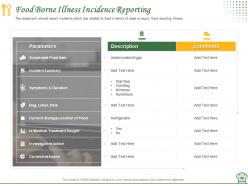
Slide 34: This slide is displaying Food Borne Illness Incidence Reporting. The restaurant should report incidents which are related to food in terms of stale or expiry food resulting illness.
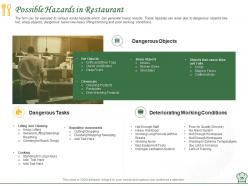
Slide 35: This slide shows Possible Hazards in Restaurant.
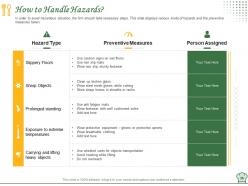
Slide 36: This slide discusses about How to Handle Hazards. In order to avoid hazardous situation, the firm should take necessary steps. This slide displays various kinds of hazards and the preventive measures taken.
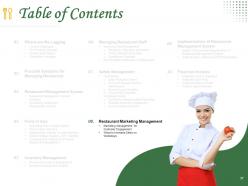
Slide 37: This slide displays Table of Contents.
Slide 38: This slide showcases Marketing Management for Customer Engagement.
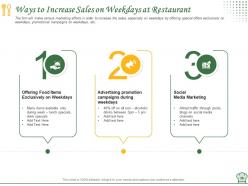
Slide 39: This slide highlights the Ways to Increase Sales on Weekdays at Restaurant.
Slide 40: This slide shows Table of Contents.
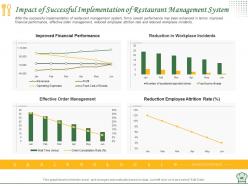
Slide 41: This slide showcases Impact of Successful Implementation of Restaurant Management System.
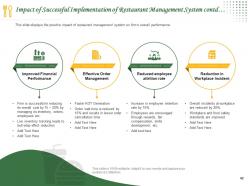
Slide 42: This slide is continued with Impact of Successful Implementation of Restaurant Management System. This slide displays the positive impact of restaurant management system on firm’s overall performance.
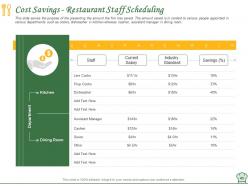
Slide 43: This slide shows Cost Savings - Restaurant Staff Scheduling.
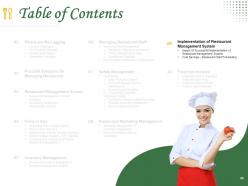
Slide 44: This slide shows Table of Contents of the presentation.
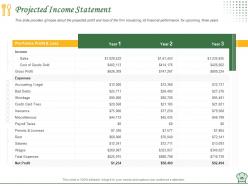
Slide 45: This slide shows Projected Income Statement. This slide provides glimpse about the projected profit and loss of the firm visualizing its financial performance for upcoming three years.
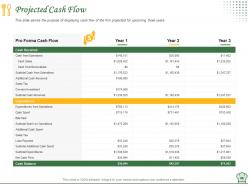
Slide 46: This slide shows Projected Cash Flow. This slide serves the purpose of displaying cash flow of the firm projected for upcoming three years.
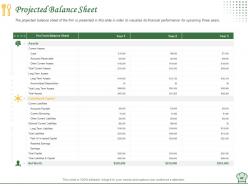
Slide 47: This slide presents Projected Balance Sheet. The projected balance sheet of the firm is presented in this slide in order to visualize its financial performance for upcoming three years
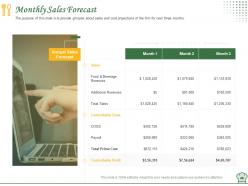
Slide 48: This slide presents Monthly Sales Forecast. The purpose of this slide is to provide glimpse about sales and cost projections of the firm for next three months.
Slide 49: This is How to Manage Restaurant Business Icons Slide
Slide 50: This slide is titled as Additional Slides
Slide 51: This is 30 60 90 Days Plan
Slide 52: This is Weekly Timeline slide with Task Name
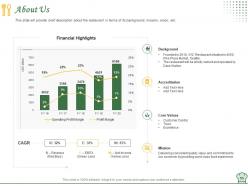
Slide 53: This is About Us slide to showcase Company specifications. This slide will provide brief description about the restaurant in terms of its background, mission, vision, etc.
Slide 54: This slide shows Roadmap process.
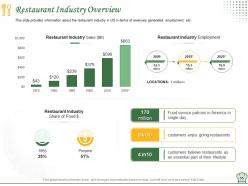
Slide 55: This slide showcases Restaurant Industry Overview.
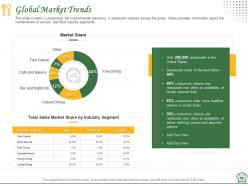
Slide 56: This slide shows Global Market Trends. This slide is useful in presenting the market trends prevailing in restaurant industry across the globe. It also provides information about the market share of various fast food industry segments.
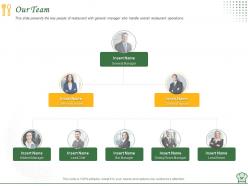
Slide 57: This slide presents the key people of restaurant with general manager who handle overall restaurant operations.
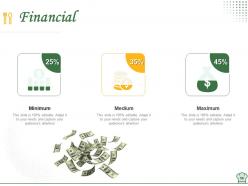
Slide 58: This is Financial slide. Showcase finance related stuff here.
Slide 59: This is Comparison slide.
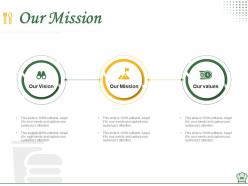
Slide 60: This slide displays Our Mission, Vision and Values.
Slide 61: This is Thank You slide with Address, Email address and Contact number.
How to manage restaurant business powerpoint presentation slides with all 61 slides:
Use our How To Manage Restaurant Business Powerpoint Presentation Slides to effectively help you save your valuable time. They are readymade to fit into any presentation structure.








FAQs for How to manage restaurant business
**INPUT**: What are the key metrics a restaurant manager should track for optimal performance? **OUTPUT**: Key restaurant metrics include food cost percentage, labor costs, table turnover rates, average check size, customer satisfaction scores, and inventory turnover. These performance indicators streamline operations by identifying cost inefficiencies, optimizing staffing levels, and enhancing customer experiences, with many restaurant chains finding that consistent tracking ultimately delivers improved profitability and competitive advantage.
Technology enhances restaurant operations through point-of-sale systems, inventory management software, online ordering platforms, customer relationship management tools, and kitchen display systems. These solutions streamline service delivery, reduce wait times, and optimize staff efficiency, with many establishments finding that integrated technology ultimately delivers faster customer service, improved order accuracy, and enhanced dining experiences.
Restaurant staff turnover can be managed through competitive compensation packages, comprehensive training programs, flexible scheduling options, clear career advancement paths, and positive workplace culture initiatives. These strategies work by enhancing employee satisfaction, reducing recruitment costs, and maintaining service consistency, with many successful restaurants finding that investing in staff retention ultimately delivers improved customer experiences and operational efficiency.
Menu design influences customer behavior through strategic placement of high-margin items, visual hierarchy using colors and fonts, and psychological pricing techniques. Restaurants enhance profitability by positioning signature dishes prominently, creating descriptive item names that increase perceived value, and using layout patterns that guide eye movement, with many establishments finding that well-designed menus boost average order values significantly.
Customer feedback serves as a crucial compass for restaurant management, informing menu development, service improvements, staff training, and operational adjustments. Restaurants can effectively gather insights through digital surveys, social media monitoring, comment cards, and direct conversations, with many establishments finding that systematic feedback collection enables enhanced customer experiences, increased loyalty, and strategic positioning in competitive markets.
Best practices for inventory management in restaurants include automated tracking systems, regular cycle counts, FIFO rotation methods, supplier relationship optimization, and real-time cost monitoring. These approaches streamline operations by reducing food waste, maintaining optimal stock levels, and controlling costs, with many establishments finding that strategic inventory management ultimately delivers 15-20% cost savings while ensuring consistent menu availability.
Effective training programs enhance restaurant service by developing technical skills, improving customer interaction abilities, and establishing consistent service standards across all staff levels. Well-structured programs reduce employee turnover, increase job satisfaction, and boost confidence, while simultaneously delivering faster service times, higher customer satisfaction scores, and improved operational efficiency that drives revenue growth.
Managing a multi-location restaurant chain involves challenges including maintaining consistent food quality and service standards, coordinating supply chains across locations, training staff uniformly, and managing operational costs effectively. These complexities require strategic oversight systems, standardized procedures, and robust communication networks, with many successful chains finding that centralized management platforms and regular quality audits ultimately deliver operational efficiency and brand consistency.
Restaurants can develop strong brand identity through consistent visual elements, authentic storytelling, distinctive menu positioning, targeted customer experiences, and strategic social media presence. By aligning their atmosphere, service style, and messaging with specific demographics, establishments create memorable connections that drive loyalty, with many successful restaurants finding that authentic brand differentiation ultimately delivers higher customer retention and sustainable competitive advantage.
Restaurant managers can maximize profitability through strategic cost control, dynamic pricing models, inventory optimization, labor scheduling efficiency, and revenue diversification across multiple channels. These approaches streamline operations by reducing food waste, adjusting menu prices based on demand patterns, and implementing delivery services, with many establishments finding that combining technology-driven analytics with operational discipline ultimately delivers sustained competitive advantage.
Sustainability practices integrate into restaurant management through local sourcing, waste reduction programs, energy-efficient equipment, and eco-friendly packaging without compromising quality. Many successful restaurants find that sustainable approaches actually enhance operations by reducing costs, improving ingredient freshness, and attracting environmentally conscious customers, ultimately delivering competitive advantage and operational efficiency.
Restaurant managers must navigate food safety regulations, health department inspections, labor laws, liquor licensing, fire codes, ADA compliance, and tax obligations. These regulatory requirements streamline operations by establishing clear standards for food handling, employee management, and customer safety, with many establishments finding that proactive compliance reduces liability risks while enhancing operational efficiency and customer trust.
Cultural diversity significantly enhances restaurant management by bringing varied perspectives, culinary expertise, multilingual capabilities, and improved customer service to diverse clientele. This diversity strengthens team dynamics through cross-cultural learning, creative problem-solving, and broader market appeal, with many establishments finding that multicultural teams deliver more authentic experiences and competitive advantages in increasingly diverse markets.
Restaurants can utilize social media marketing by sharing behind-the-scenes content, featuring seasonal menu items, responding to customer feedback, showcasing chef specialties, and creating interactive polls or contests. These strategies enhance brand visibility and build community connections, with many establishments finding that consistent engagement through visual storytelling and personalized responses ultimately drives repeat visits and customer loyalty.
Emerging restaurant trends include ghost kitchens, AI-powered ordering systems, sustainable sourcing practices, contactless payment solutions, and data-driven menu optimization. These innovations streamline operations by reducing overhead costs, enhancing customer experiences, and improving inventory management, with many establishments finding that strategic technology adoption ultimately delivers faster service and increased profitability in an increasingly competitive market.
-
Top Quality presentations that are easily editable.
-
Excellent products for quick understanding.
-
Informative design.
-
Very well designed and informative templates.
-
Excellent template with unique design.