


Crisis Communication Plan For Data Breach Powerpoint PPT Template Bundles




Try Before you Buy Download Free Sample Product
 Impress Your
 Audience
 100%
100% Editable
 Save Hours
 of Time


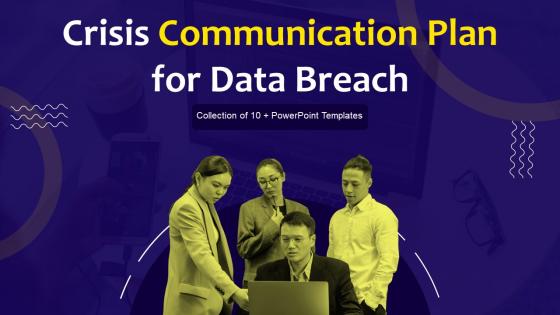
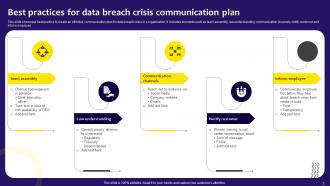
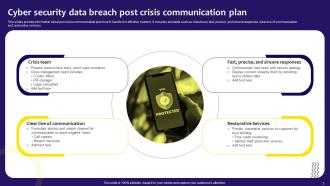
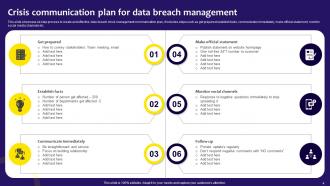
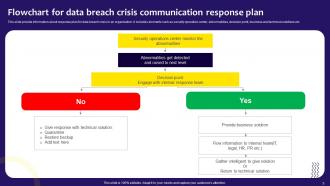
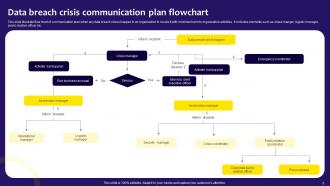
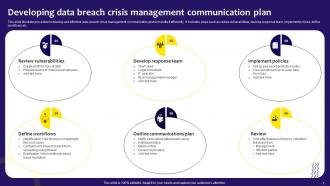
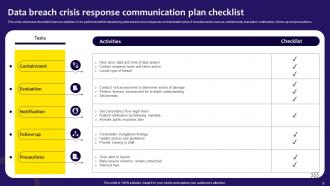
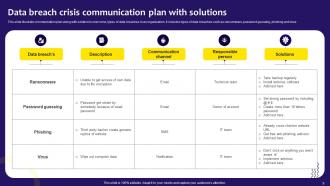
Introducing our comprehensive Crisis Communication Plan for Data Breach PowerPoint PPT presentation, designed to assist organizations in effectively managing and communicating during a cybersecurity crisis. This informative slide deck covers essential keywords such as Cybersecurity, Incident Response, Cyber Attack, Data Management, and Cybercrime. With visually engaging slides and concise content, our PPT offers a deep dive into the key elements of crisis communication planning for data breaches. Whether you are a security officer, IT professional, or part of an incident response team, this resource will enhance your understanding of establishing clear communication protocols, managing stakeholder expectations, and mitigating the reputational damage caused by a data breach. From incident response strategies to breach notification processes, our PPT provides valuable insights and practical techniques to effectively communicate with internal and external stakeholders. Strengthen your crisis management capabilities and safeguard your organizations reputation with our user-friendly Crisis Communication Plan for Data Breach PPT.
People who downloaded this PowerPoint presentation also viewed the following :
Crisis Communication Plan For Data Breach Powerpoint PPT Template Bundles with all 17 slides:
Use our Crisis Communication Plan For Data Breach Powerpoint PPT Template Bundles to effectively help you save your valuable time. They are readymade to fit into any presentation structure.





FAQs for Crisis Communication Plan For Data Breach Powerpoint
**INPUT**: What are the key components of an effective crisis communication plan? **OUTPUT**: Effective crisis communication plans include stakeholder identification, message templates, communication channels, response team roles, and escalation procedures. These components work together by ensuring rapid response coordination, maintaining consistent messaging across platforms, and preserving stakeholder trust, with many organizations finding that comprehensive preparation ultimately delivers faster recovery and sustained competitive advantage.
Organizations assess potential risks through comprehensive audits examining operational vulnerabilities, stakeholder impact scenarios, regulatory requirements, and industry-specific threats like data breaches or supply chain disruptions. This strategic combination of internal assessments, competitor analysis, and stakeholder mapping enables companies to create tailored response protocols, ultimately delivering faster crisis resolution and enhanced reputation protection.
Stakeholders play integral roles as both information sources and communication channels, providing industry expertise, resource allocation guidance, and credibility validation during plan development. Through their networks and influence, key stakeholders help organizations rapidly disseminate accurate messaging, coordinate response efforts, and maintain stakeholder confidence, while offering real-time feedback that enables swift plan adjustments and ultimately preserves organizational reputation.
A crisis communication plan helps maintain organizational reputation by establishing clear messaging protocols, designating authorized spokespersons, and ensuring consistent information delivery across all channels. Through proactive transparency and strategic stakeholder engagement, organizations can control narrative flow, minimize misinformation spread, and demonstrate accountability, ultimately preserving trust and credibility during challenging periods.
Organizations can implement simulation exercises, role-playing scenarios, media training workshops, cross-departmental coordination drills, and regular communication protocol updates to prepare teams for crisis situations. These training strategies enhance response speed, message consistency, and stakeholder confidence by developing clear escalation procedures, spokesperson capabilities, and real-time decision-making skills, ultimately delivering coordinated crisis management and organizational resilience.
Social media platforms accelerate information dissemination during crises by enabling real-time updates, direct audience engagement, and immediate feedback loops. These channels streamline communication through instant notifications, targeted messaging, and multi-platform reach, with organizations like airlines and healthcare systems finding that strategic social media use enhances transparency, reduces misinformation spread, and ultimately delivers faster crisis resolution.
Common pitfalls include delayed response timing, inconsistent messaging across channels, inadequate stakeholder identification, poor media training, and insufficient internal coordination. These challenges often emerge when organizations lack predefined approval processes, fail to anticipate stakeholder concerns, or struggle with real-time message adaptation, ultimately undermining credibility and prolonging crisis impact across affected audiences.
Feedback from previous crises reveals communication gaps, response timing issues, stakeholder concerns, and message effectiveness, enabling organizations to refine protocols and messaging strategies. Through post-crisis analysis, companies across sectors like healthcare, finance, and retail identify specific weaknesses in their response frameworks, ultimately strengthening future preparedness and stakeholder trust while minimizing reputational damage.
Tools enhancing crisis communication effectiveness include mass notification systems, social media monitoring platforms, automated alert technologies, video conferencing solutions, and real-time collaboration software. These technologies streamline response coordination by enabling instant stakeholder updates, monitoring public sentiment, and facilitating remote team collaboration, with many organizations finding that integrated platforms significantly reduce response times while maintaining consistent messaging across all channels.
Organizations should prioritize communication channels by assessing audience reach, message urgency, and stakeholder importance, focusing first on internal teams, then customers, media, and broader public. Through strategic channel selection like direct emails for employees, social media for real-time updates, and press releases for media, companies streamline crisis response while maintaining consistent messaging across platforms, ultimately preserving trust and minimizing reputational damage.
Timely communication in crisis scenarios prevents misinformation spread, maintains stakeholder trust, and enables coordinated response efforts across all organizational levels. Through rapid, accurate updates, companies like airlines during weather disruptions or hospitals during emergencies can minimize confusion, reduce panic, and preserve brand reputation, ultimately delivering faster recovery and sustained customer confidence.
A crisis communication plan integrates into strategic communication frameworks through shared messaging protocols, unified stakeholder channels, consistent brand voice alignment, and coordinated response hierarchies. This integration enables organizations to maintain strategic messaging consistency during disruptions, leverage existing communication infrastructure, and seamlessly transition between routine and crisis communications, ultimately preserving stakeholder trust and organizational reputation.
**INPUT**: What methods can be used to evaluate the success of a crisis communication plan after a crisis has occurred? **OUTPUT**: Crisis communication evaluation methods include stakeholder surveys, media sentiment analysis, response time metrics, message consistency audits, and reputation tracking tools. These approaches enable organizations to assess audience perception, measure communication effectiveness, and identify improvement areas, with many companies finding that comprehensive post-crisis analysis ultimately delivers stronger stakeholder trust and enhanced crisis preparedness. [Word count: 54 words]
Crisis messaging requires tailored approaches based on audience needs, concerns, and communication preferences, with employees needing operational details, customers requiring service impact information, and stakeholders demanding strategic context. Organizations typically segment messaging by urgency and relevance, with healthcare systems providing clinical updates to staff while delivering reassurance to patients, ultimately maintaining trust and transparency across all constituencies.
Transparency builds trust during crises by providing honest, timely information about the situation, response actions, and potential impacts on stakeholders. Organizations achieve transparency through regular updates across multiple channels, acknowledging uncertainties while sharing known facts, and maintaining consistent messaging, with many companies finding that proactive disclosure ultimately preserves reputation and accelerates recovery.
-
It’s really cool, and you can find pretty much everything you could need for your work or school.
-
“Excellent service from the customer support team when I wanted a slide that was a bit different from those on their standard menu. Super helpful.”