


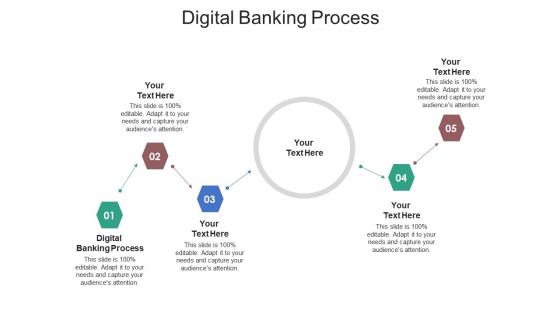
Digital banking process ppt powerpoint presentation gallery smartart cpb




Try Before you Buy Download Free Sample Product
 Impress Your
 Audience
 100%
100% Editable
 Save Hours
 of Time


Our Digital Banking Process Ppt Powerpoint Presentation Gallery Smartart Cpb are topically designed to provide an attractive backdrop to any subject. Use them to look like a presentation pro.
People who downloaded this PowerPoint presentation also viewed the following :
Digital banking process ppt powerpoint presentation gallery smartart cpb with all 9 slides:
Use our Digital Banking Process Ppt Powerpoint Presentation Gallery Smartart Cpb to effectively help you save your valuable time. They are readymade to fit into any presentation structure.








FAQs for Digital banking process ppt powerpoint presentation
So you'll need user authentication and account management as your foundation. Transaction processing is huge too - that's where the money moves. Mobile apps and web portals connect to your core banking systems through APIs, which honestly can get pretty complex. Security can't be an afterthought though - multi-factor auth, encryption, fraud detection, the whole nine yards. Don't forget payment gateways for transfers and bills. You'll probably want third-party integrations for credit scoring or investment stuff. The tricky part is getting everything to play nice together while staying compliant.
Think of authentication like a bouncer checking your ID before you get into a club. Banks use multiple checks - your password, plus a code sent to your phone, maybe even your fingerprint. Pretty smart system honestly. Even if someone gets your password (which happens more than you'd think), they can't do anything without your actual phone. I know the extra steps are annoying when you're trying to pay for something quickly. But seriously, turn on every security feature your bank has. Those few extra seconds could save you from losing your entire savings account.
So AI is pretty much doing all the grunt work in digital banking now. Chatbots actually get what you're asking (most of the time), plus they'll suggest stuff based on how you spend money. Fraud detection catches sketchy transactions before you even see them - which honestly saved my ass last month. The system gets better with each conversation too. All those boring account balance checks and transaction lookups? Available 24/7 now. Leaves the human reps free for when things get complicated and you actually need to talk to someone real. Definitely worth thinking about for any customer-facing stuff you're building.
So here's the deal - fintech can totally transform your digital banking if you do it right. AI chatbots handle all those repetitive customer questions, which honestly saves tons of time. Machine learning catches fraud way better than humans ever could. APIs are clutch for connecting with other services without headaches. Back-office stuff like loan processing? RPA automates that whole mess. Blockchain speeds up payments too, though I know some people are still skeptical about it. My advice: figure out what's slowing you down first, then find tech that actually fixes those problems. Don't just chase whatever's hot right now.
Honestly, the legacy systems are your biggest headache - those ancient mainframes hate talking to modern APIs. Security's another nightmare because people want everything fast and easy but still expect Fort Knox protection. Getting older customers on board is rough too, they're pretty set in their ways with traditional banking. Oh, and don't even get me started on convincing your whole company to stop thinking "branch first" for everything. Cultural shifts are weirdly harder than the tech stuff sometimes. I'd say map out what systems you've got now and figure out which ones absolutely have to connect before you do anything else.
Honestly, start with the basics - make login super smooth with fingerprint stuff and cut down on how many taps people need. Nobody wants to click through five screens just to check their balance. Clean up those confusing menus and ditch the banker speak that makes zero sense. Your app should load quickly and let people see balances even when their connection sucks. Oh, and add helpful features like sorting expenses and bill alerts - that's what people actually want. The biggest thing though? Test it with regular customers, not just your coworkers who built the thing.
Honestly, mobile apps have totally changed how banks keep customers engaged. Push notifications hit you right when transactions happen, plus you get those spending breakdowns that actually make you want to check the app regularly. No more driving to branches either - I can deposit checks from my couch now which is honestly game-changing. Apps create these little moments throughout your day, like budget tracking or quick transfers to friends. Daily active users is what really matters for measuring engagement, not just how many people downloaded it once and forgot about it.
So basically compliance means every single thing gets checked and documented, which slows stuff down but keeps banks from getting destroyed by regulators. Account opening takes forever now. Loan approvals? Same deal - there's always some KYC thing or paperwork trail they need. Transaction monitoring is probably the worst part tbh. Look, it's annoying but banks would rather deal with slow processes than pay those insane government fines. Just build the compliance stuff into your systems from day one - trying to add it later is such a nightmare and costs way more.
So big data basically lets banks personalize everything by looking at how customers actually behave - their spending, app usage, all that stuff. You can predict what people need before they know it themselves. Like if someone's spending goes crazy, the system suggests budgeting tools automatically. Pretty cool tech, honestly. It also catches where users get stuck in your app and fixes those pain points on the fly. I'd start with mapping out your most popular user flows - that's where you'll cut the most drop-offs and see real results fast.
So for fraud prevention in digital banking - multi-factor authentication is basically essential at this point. Real-time monitoring catches sketchy transactions right away, which is clutch. Encrypt everything, obviously. AI detection systems are honestly pretty impressive now at spotting weird patterns. Your customers need to know about phishing scams too (my aunt falls for these constantly, drives me crazy). Don't put all your eggs in one basket though - layer different security measures instead of betting everything on just one system. That's what separates good banks from the ones that end up in headlines.
Honestly, it's crazy how different digital banking is everywhere. Europe's got GDPR and PSD2 making everything super strict with authentication. Meanwhile Singapore and Hong Kong are way ahead with mobile-first stuff. The US? Still playing catch-up tbh - they're obsessed with security but nowhere near as fast as India's UPI system. Africa's doing something totally different and just skipping regular banks entirely with mobile money. Oh, and user expectations are wildly different too. Bottom line - you've gotta research local rules and what people actually want before launching anything new.
Honestly, blockchain's pretty solid for digital banking. Security gets a huge boost since transaction records can't be tampered with. Cross-border payments become way faster too - you're basically cutting out all those middleman banks that slow everything down. The transparency is nice because customers can actually see what's happening with their money. International transfers especially save a ton in fees. Oh, and smart contracts handle compliance stuff automatically, which is kind of cool. My advice? Don't go crazy trying to blockchain everything at once. Start small with something like remittances and see how it goes.
So banks actually do pay attention to feedback - they pull it from app reviews, surveys, customer service complaints, even stalking social media. Then they analyze what everyone's whining about most and prioritize fixes accordingly. Honestly, some banks are surprisingly fast at rolling out updates based on user complaints. Your individual feedback does matter though, especially if you're experiencing the same bug as tons of other people. Don't just deal with annoying issues - actually report them through official channels. Way more effective than just complaining to friends about it.
Dude, banks are going crazy with AI right now - loan approvals, fraud detection, all that stuff is getting automated. Mobile apps have to be perfect or people bounce immediately (which honestly makes sense). Data analytics means they can personalize everything for you, and open banking lets you see all your accounts in one spot. Buy-now-pay-later is everywhere now, built right into shopping apps. Real-time payments are becoming standard too. My takeaway? Everything's gotta be instant and seamless these days because that's just what people expect from their money stuff.
So basically, digital banking tears down all those annoying barriers that lock people out of regular banks. No more hunting for branches or dealing with minimum balance requirements. People in remote areas can finally do everything from their phones - open accounts, send money, even start building credit. Honestly, it's wild how much this changes things, especially in places where the nearest bank is like hours away. Plus banks can actually afford to help customers they couldn't before since everything costs way less to run. If you're trying to reach more people, definitely go mobile-first.
-
Qualitative and comprehensive slides.
-
Innovative and Colorful designs.
-
Unique and attractive product design.
-
Unique design & color.
-
Thanks for all your great templates they have saved me lots of time and accelerate my presentations. Great product, keep them up!