


Digital Strategy Target Audience Plan Resources Analyse Context





Try Before you Buy Download Free Sample Product
 Impress Your
 Audience
 100%
100% Editable
 Save Hours
 of Time


Our Digital Strategy Target Audience Plan Resources Analyse Context are topically designed to provide an attractive backdrop to any subject. Use them to look like a presentation pro.
People who downloaded this PowerPoint presentation also viewed the following :
Digital Strategy Target Audience Plan Resources Analyse Context with all 12 slides:
Use our Digital Strategy Target Audience Plan Resources Analyse Context to effectively help you save your valuable time. They are readymade to fit into any presentation structure.

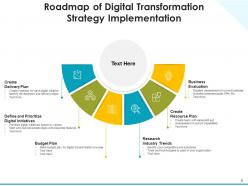
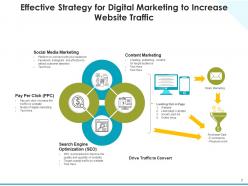
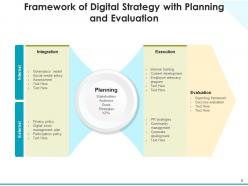
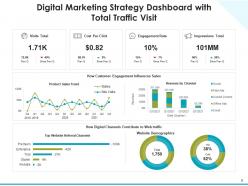


FAQs for Digital Strategy Target Audience Plan
Key components include cloud infrastructure, data analytics platforms, customer relationship management systems, digital marketing automation, and cybersecurity frameworks. These technologies streamline operations by enhancing customer experiences, enabling data-driven decisions, and automating routine processes, with many organizations finding that strategic integration ultimately delivers competitive advantage and operational efficiency.
Social media channels significantly shape digital strategy development by providing real-time customer insights, enabling direct audience engagement, and offering measurable marketing touchpoints across platforms. These channels influence strategic decisions through data analytics, brand positioning opportunities, and community building capabilities, with many organizations finding that social platforms ultimately drive customer acquisition, enhance brand loyalty, and deliver competitive market intelligence.
Data analytics plays a crucial role in digital strategy by providing actionable insights into customer behavior, market trends, operational efficiency, and competitive positioning. Through predictive modeling and real-time data processing, organizations streamline decision-making, personalize customer experiences, and optimize resource allocation, ultimately delivering enhanced competitive advantage and measurable business outcomes.
Companies measure digital strategy success through key performance indicators like revenue growth, customer acquisition costs, digital engagement metrics, operational efficiency gains, and market share expansion. These measurements enable organizations to track ROI across digital channels, optimize resource allocation, and demonstrate tangible business value, with many enterprises finding that comprehensive analytics ultimately deliver competitive advantage and strategic clarity.
Essential digital strategy tools include cloud computing platforms, data analytics software, customer relationship management (CRM) systems, marketing automation technologies, and cybersecurity solutions. These technologies streamline operations by enabling real-time insights, automating customer interactions, and securing digital assets, with many organizations finding that strategic integration delivers enhanced operational efficiency and competitive advantage in increasingly digital markets.
Businesses should approach customer segmentation by analyzing behavioral data, demographic patterns, purchasing history, digital engagement metrics, and channel preferences to create targeted personas. Through advanced analytics and CRM integration, organizations can deliver personalized experiences, optimize marketing spend, and enhance customer retention, with many retail and financial services companies finding that precise segmentation significantly improves conversion rates and customer lifetime value.
Common digital strategy pitfalls include lacking clear objectives, ignoring customer data insights, underestimating implementation timelines, failing to align teams, and overlooking cybersecurity requirements. These challenges often derail initiatives across sectors like retail and healthcare, with many organizations finding that addressing these proactively streamlines execution and ultimately delivers sustainable competitive advantage.
A digital strategy supports business objectives by aligning technology initiatives with revenue growth, operational efficiency, and customer experience enhancement, while streamlining processes through automation, data analytics, and digital transformation. Organizations across retail, healthcare, and financial services leverage integrated digital approaches to reduce costs, accelerate decision-making, and deliver competitive advantages, ultimately enabling scalable growth and market differentiation.
Mobile optimization is crucial in modern digital strategy because over 60% of web traffic comes from mobile devices, directly impacting user experience, search rankings, and conversion rates. Companies across retail, banking, and healthcare find that mobile-optimized platforms deliver faster load times, improved customer engagement, and higher sales conversions, ultimately providing competitive advantage in an increasingly mobile-first marketplace.
Businesses can leverage SEO techniques by optimizing website content, conducting keyword research, building quality backlinks, improving site speed, and creating valuable user experiences. These strategies enhance online visibility, drive organic traffic, and reduce customer acquisition costs, with companies in retail, healthcare, and professional services finding that strong SEO delivers sustained competitive advantage and measurable revenue growth.
Content marketing significantly influences digital strategy formulation by shaping audience engagement tactics, brand positioning approaches, SEO optimization methods, and customer journey mapping. Through strategic content development, organizations enhance their market presence, drive qualified lead generation, and establish thought leadership, with many companies finding that integrated content strategies ultimately deliver measurable ROI and sustainable competitive advantage.
Organizations ensure digital strategy agility through continuous market monitoring, flexible technology architectures, iterative planning cycles, and cross-functional collaboration. By implementing modular systems, establishing rapid feedback loops, and maintaining adaptable resource allocation, companies like retail chains and financial services can pivot quickly to market changes, ultimately delivering competitive advantage and sustained growth.
Emerging digital strategy trends include AI-driven decision making, omnichannel customer experiences, data-driven personalization, cloud-first infrastructure, and sustainable technology adoption. These approaches enable businesses to streamline operations, enhance customer engagement, and optimize resource allocation, with many organizations finding that strategic integration of these trends delivers competitive advantage and accelerated growth.
Companies can align digital strategy with traditional marketing by integrating consistent messaging across channels, synchronizing campaign timing, sharing customer data between teams, and creating unified brand experiences. Through strategic coordination, organizations streamline marketing operations while delivering cohesive customer journeys, with many finding that this integrated approach enhances campaign effectiveness and maximizes marketing ROI.
Digital strategy ethical considerations include data privacy protection, algorithmic bias prevention, transparency in automated decision-making, cybersecurity safeguards, and responsible AI implementation. These principles enhance customer trust, ensure regulatory compliance, and minimize reputational risks, with many organizations finding that ethical digital practices ultimately deliver competitive advantage and sustainable growth.
-
Presentation Design is very nice, good work with the content as well.
-
Great experience, I would definitely use your services further.
-
Best way of representation of the topic.