


Digital Transformation Driving Customer Experience Toolkit Complete Deck





Try Before you Buy Download Free Sample Product
 Impress Your
 Audience
 100%
100% Editable
 Save Hours
 of Time


The CRM toolkit PowerPoint template helps provide in depth, high quality deliverables that firms can utilize for customer relationship management transformation, which can be customized according to the firms requirements. Check out our professionally designed Digital Transformation Driving Customer Experience Toolkit. It comprises a business case and roadmap, including project background, key findings, expected business benefits, business drivers, expected project cost, gap, and forecasted risks. The toolkit covers details about the implementation phase, consideration features associated with CRM, and key considerations required for CRM implementation. The toolkit also provides details about customer relationship transformation software features. The CRM software features can be operational, analytical, and collaborative. The CRM solution offers contact management, task management, administration, activity streams, and calendar events. The customer relationship management project plan covers the CRM implementation team, CRM budget, CRM rollout plan, go live plan, CRM implementation success, etc. Lastly, the CRM toolkit covers several reasons that lead to failures, such as bad data quality, inadequate training, employee incentive plan, poor CRM strategy, poor business process design, and absence of executive sponsorship. Download our 100 percent editable and customizable deck to know more in detail.
People who downloaded this PowerPoint presentation also viewed the following :
Content of this Powerpoint Presentation
Slide 1: This slide introduces Digital Transformation Driving Customer Experience Toolkit. State your company name and begin.
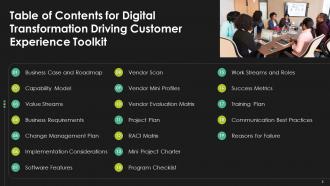
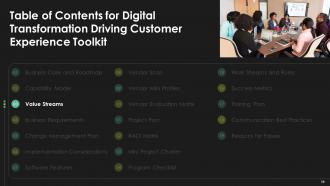
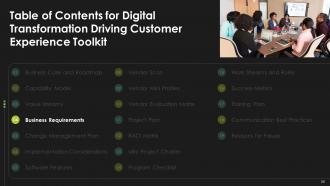
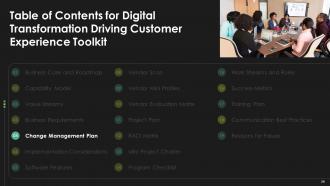
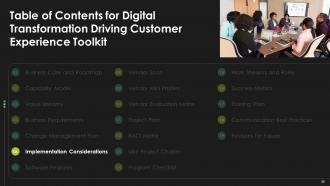
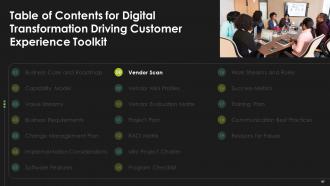
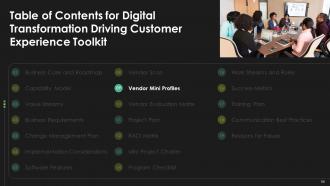
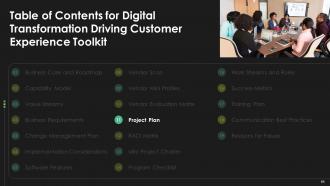
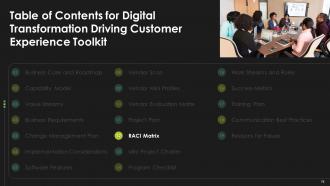
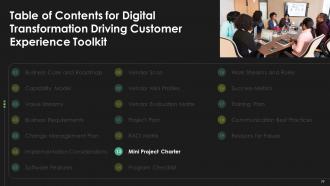
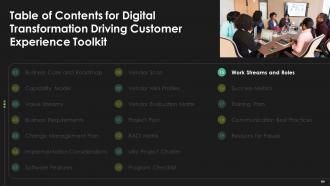
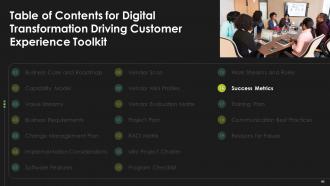
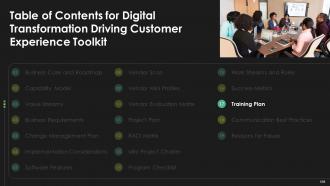
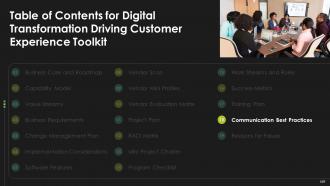
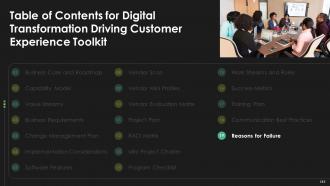
Slide 2: This slide presents Table of Content for the presentation.
Slide 3: This slide highlights title for topics that are to be covered next in the template.
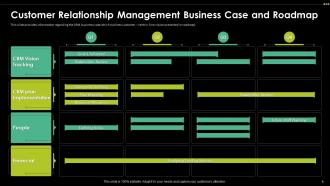
Slide 4: This slide shows Customer Relationship Management Business Case and Roadmap.
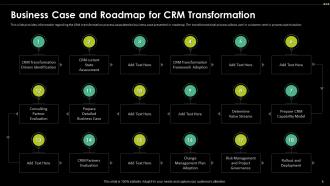
Slide 5: This slide displays Business Case and Roadmap for CRM Transformation.
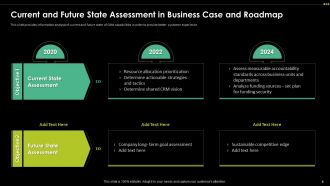
Slide 6: This slide represents Current and Future State Assessment in Business Case and Roadmap.
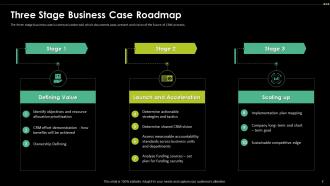
Slide 7: This slide showcases Three Stage Business Case Roadmap.
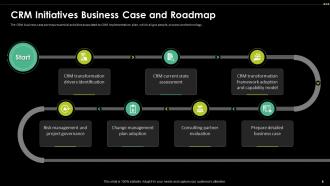
Slide 8: This slide shows CRM Initiatives Business Case and Roadmap.
Slide 9: This slide highlights title for topics that are to be covered next in the template.
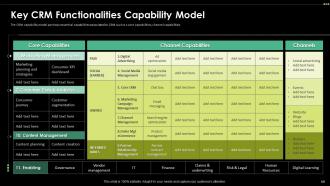
Slide 10: This slide presents Key CRM Functionalities Capability Model.
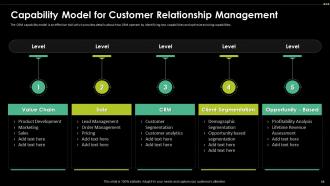
Slide 11: This slide displays Capability Model for Customer Relationship Management.
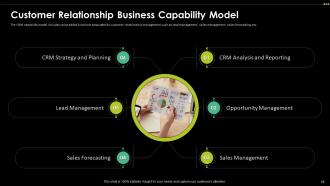
Slide 12: This slide represents Customer Relationship Business Capability Model.
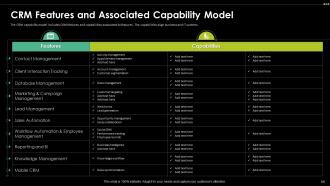
Slide 13: This slide showcases CRM Features and Associated Capability Model.
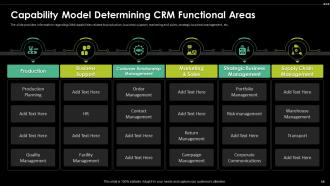
Slide 14: This slide shows Capability Model Determining CRM Functional Areas.
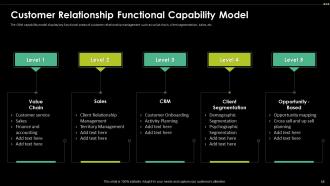
Slide 15: This slide presents Customer Relationship Functional Capability Model.
Slide 16: This slide highlights title for topics that are to be covered next in the template.
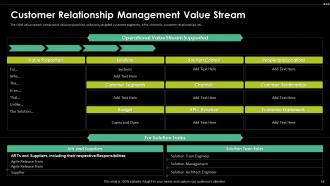
Slide 17: This slide displays Customer Relationship Management Value Stream.
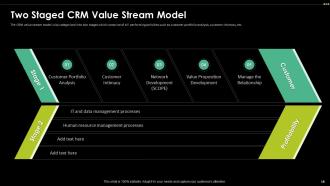
Slide 18: This slide represents Two Staged CRM Value Stream Model.
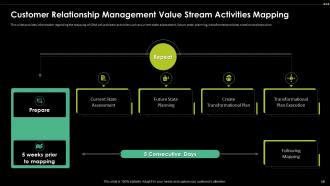
Slide 19: This slide showcases Customer Relationship Management Value Stream Activities Mapping.
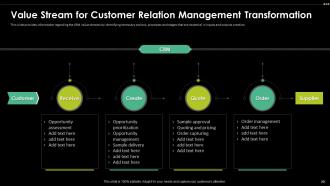
Slide 20: This slide shows Value Stream for Customer Relation Management Transformation.
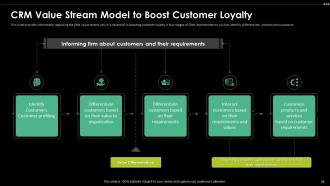
Slide 21: This slide presents CRM Value Stream Model to Boost Customer Loyalty.
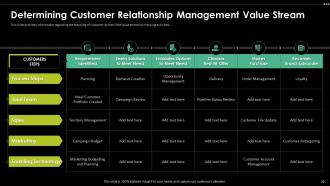
Slide 22: This slide displays Determining Customer Relationship Management Value Stream.
Slide 23: This slide highlights title for topics that are to be covered next in the template.
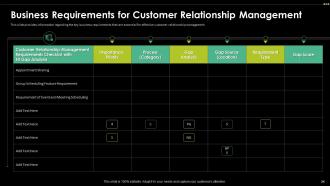
Slide 24: This slide represents Business Requirements for Customer Relationship Management.
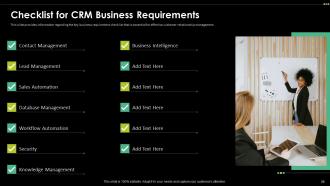
Slide 25: This slide showcases Checklist for CRM Business Requirements.
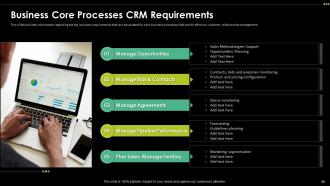
Slide 26: This slide shows Business Core Processes CRM Requirements.
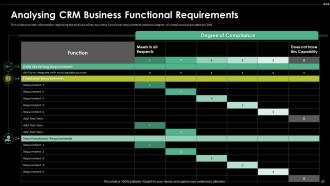
Slide 27: This slide presents Analysing CRM Business Functional Requirements.
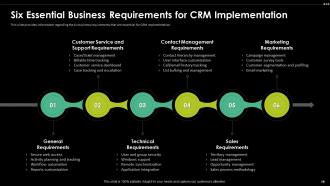
Slide 28: This slide displays Six Essential Business Requirements for CRM Implementation.
Slide 29: This slide highlights title for topics that are to be covered next in the template.
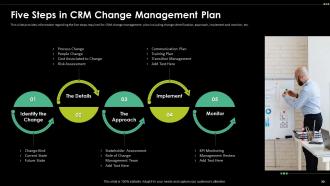
Slide 30: This slide represents Five Steps in CRM Change Management Plan.
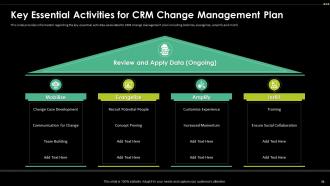
Slide 31: This slide showcases Key Essential Activities for CRM Change Management Plan.
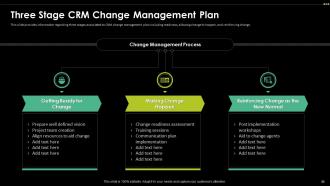
Slide 32: This slide shows Three Stage CRM Change Management Plan.
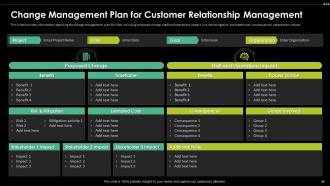
Slide 33: This slide presents Change Management Plan for Customer Relationship Management.
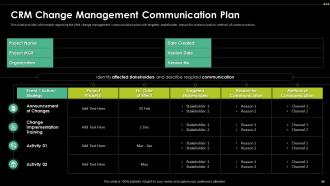
Slide 34: This slide displays CRM Change Management Communication Plan.
Slide 35: This slide highlights title for topics that are to be covered next in the template.
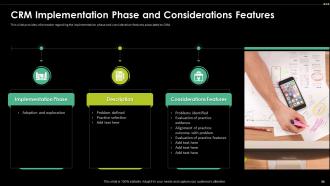
Slide 36: This slide represents CRM Implementation Phase and Considerations Features.
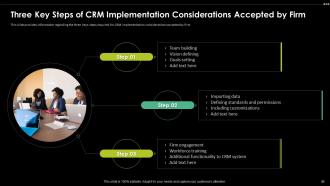
Slide 37: This slide showcases Three Key Steps of CRM Implementation Considerations Accepted by Firm.
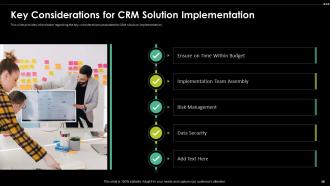
Slide 38: This slide shows Key Considerations for CRM Solution Implementation.
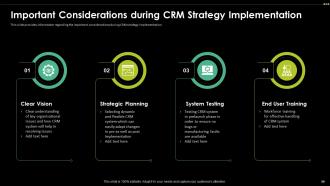
Slide 39: This slide presents Important Considerations during CRM Strategy Implementation.
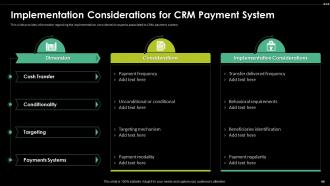
Slide 40: This slide displays Implementation Considerations for CRM Payment System.
Slide 41: This slide highlights title for topics that are to be covered next in the template.
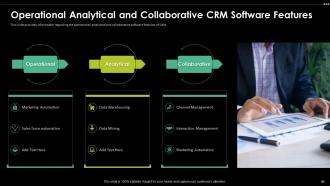
Slide 42: This slide represents Operational Analytical and Collaborative CRM Software Features.
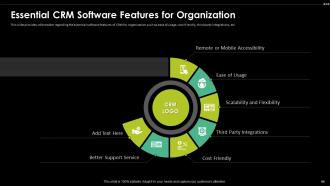
Slide 43: This slide showcases Essential CRM Software Features for Organization.
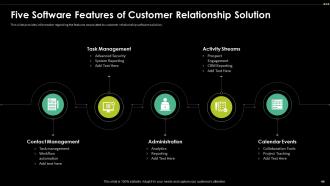
Slide 44: This slide shows Five Software Features of Customer Relationship Solution.
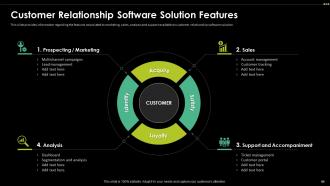
Slide 45: This slide presents Customer Relationship Software Solution Features.
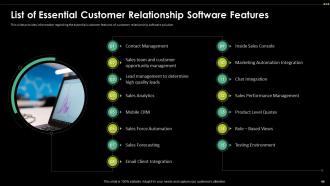
Slide 46: This slide displays List of Essential Customer Relationship Software Features.
Slide 47: This slide highlights title for topics that are to be covered next in the template.
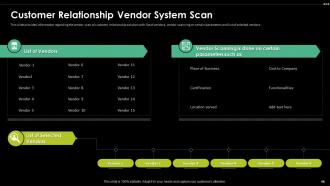
Slide 48: This slide represents Customer Relationship Vendor System Scan.
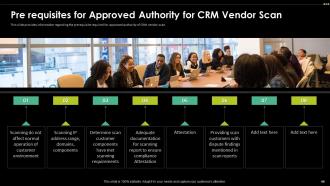
Slide 49: This slide showcases Pre requisites for Approved Authority for CRM Vendor Scan.
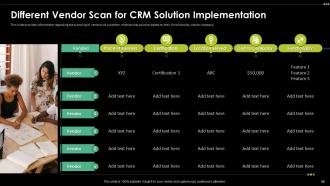
Slide 50: This slide shows Different Vendor Scan for CRM Solution Implementation.
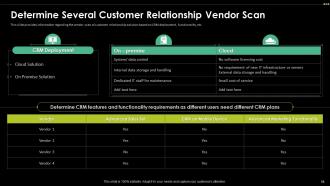
Slide 51: This slide presents Determine Several Customer Relationship Vendor Scan.
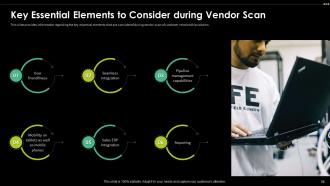
Slide 52: This slide displays Key Essential Elements to Consider during Vendor Scan.
Slide 53: This slide highlights title for topics that are to be covered next in the template.
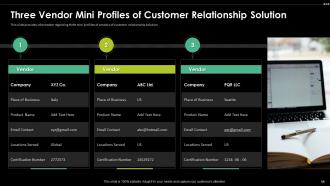
Slide 54: This slide represents Three Vendor Mini Profiles of Customer Relationship Solution.
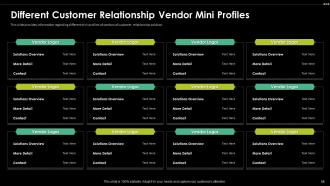
Slide 55: This slide showcases Different Customer Relationship Vendor Mini Profiles.
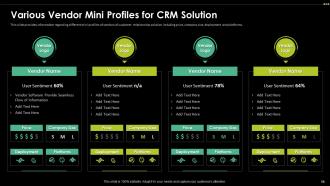
Slide 56: This slide shows Various Vendor Mini Profiles for CRM Solution.
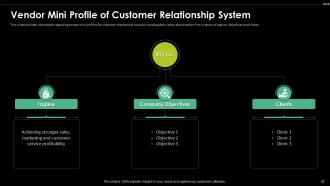
Slide 57: This slide presents Vendor Mini Profile of Customer Relationship System.
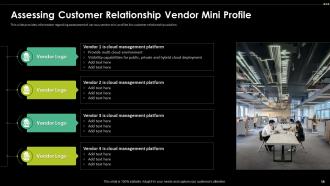
Slide 58: This slide displays Assessing Customer Relationship Vendor Mini Profile.
Slide 59: This slide highlights title for topics that are to be covered next in the template.
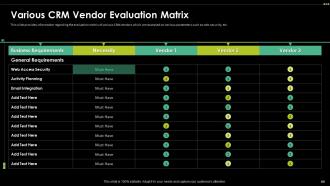
Slide 60: This slide represents Various CRM Vendor Evaluation Matrix.
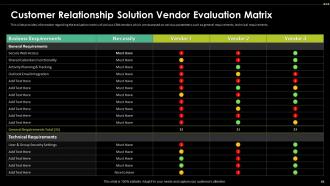
Slide 61: This slide showcases Customer Relationship Solution Vendor Evaluation Matrix.
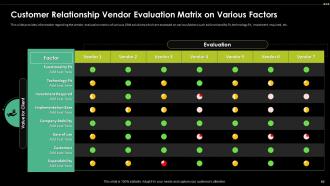
Slide 62: This slide shows Customer Relationship Vendor Evaluation Matrix on Various Factors.
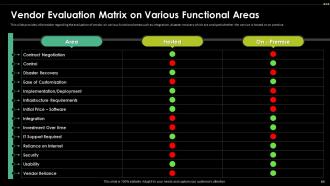
Slide 63: This slide presents Vendor Evaluation Matrix on Various Functional Areas.
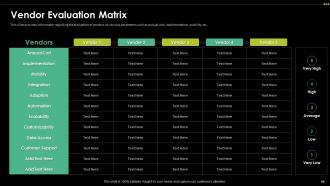
Slide 64: This slide provides information regarding the evaluation of vendors on various parameters.
Slide 65: This slide highlights title for topics that are to be covered next in the template.
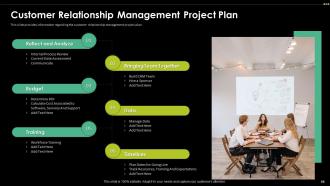
Slide 66: This slide displays Customer Relationship Management Project Plan.
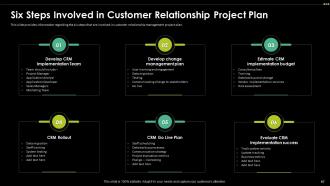
Slide 67: This slide represents Six Steps Involved in Customer Relationship Project Plan.
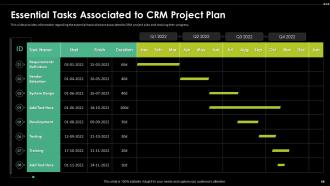
Slide 68: This slide showcases Essential Tasks Associated to CRM Project Plan.
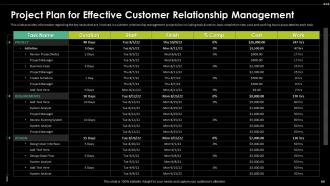
Slide 69: This slide shows Project Plan for Effective Customer Relationship Management.
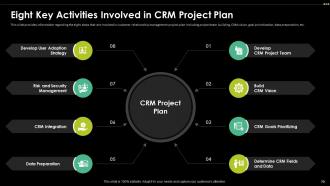
Slide 70: This slide presents Eight Key Activities Involved in CRM Project Plan.
Slide 71: This slide highlights title for topics that are to be covered next in the template.
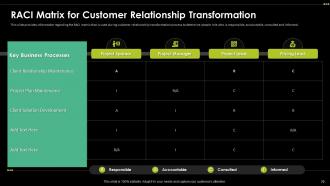
Slide 72: This slide displays RACI Matrix for Customer Relationship Transformation.
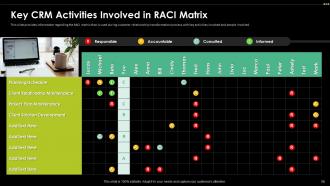
Slide 73: This slide represents Key CRM Activities Involved in RACI Matrix.
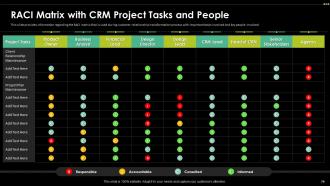
Slide 74: This slide showcases RACI Matrix with CRM Project Tasks and People.
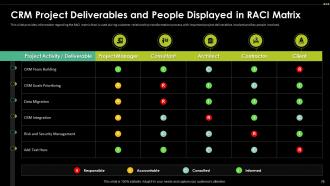
Slide 75: This slide shows CRM Project Deliverables and People Displayed in RACI Matrix.
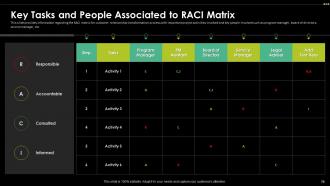
Slide 76: This slide presents Key Tasks and People Associated to RACI Matrix.
Slide 77: This slide highlights title for topics that are to be covered next in the template.
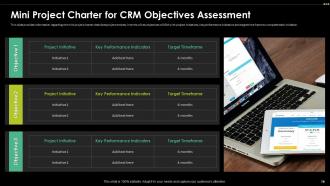
Slide 78: This slide displays Mini Project Charter for CRM Objectives Assessment.
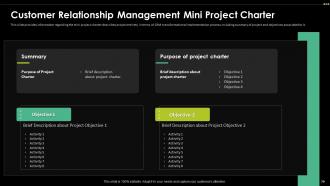
Slide 79: This slide represents Customer Relationship Management Mini Project Charter.
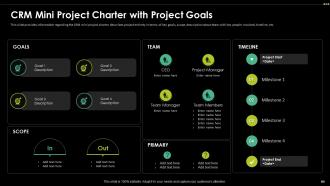
Slide 80: This slide showcases CRM Mini Project Charter with Project Goals.
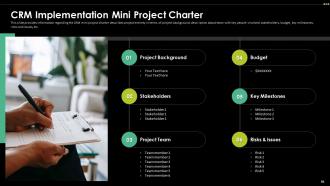
Slide 81: This slide shows CRM Implementation Mini Project Charter.
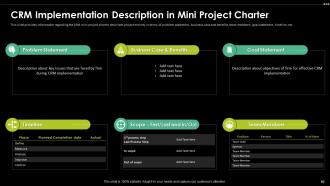
Slide 82: This slide presents CRM Implementation Description in Mini Project Charter.
Slide 83: This slide highlights title for topics that are to be covered next in the template.
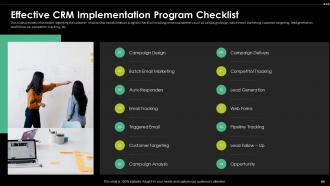
Slide 84: This slide displays Effective CRM Implementation Program Checklist.
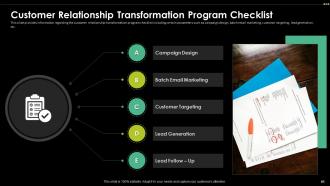
Slide 85: This slide represents Customer Relationship Transformation Program Checklist.
Slide 86: This slide showcases Key Essentials of CRM Transformation Program Checklist.
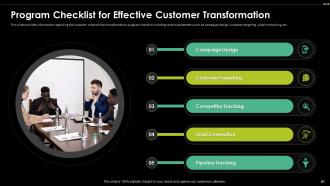
Slide 87: This slide shows Program Checklist for Effective Customer Transformation.
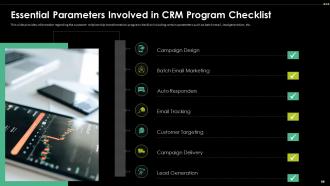
Slide 88: This slide presents Essential Parameters Involved in CRM Program Checklist.
Slide 89: This slide highlights title for topics that are to be covered next in the template.
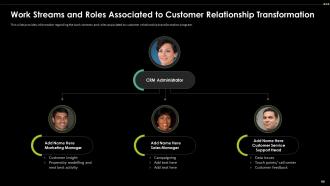
Slide 90: This slide displays Work Streams and Roles Associated to Customer Relationship Transformation.
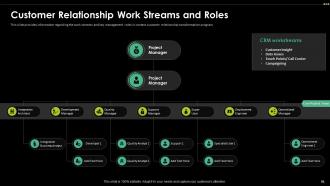
Slide 91: This slide represents Customer Relationship Work Streams and Roles.
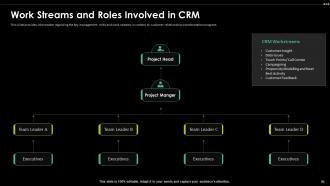
Slide 92: This slide showcases Work Streams and Roles Involved in CRM.
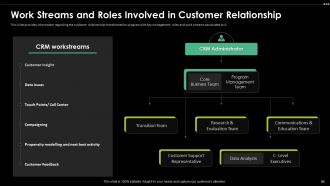
Slide 93: This slide shows Work Streams and Roles Involved in Customer Relationship.
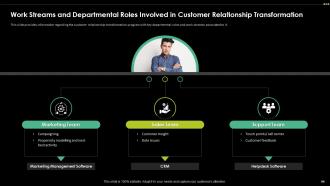
Slide 94: This slide presents Work Streams and Departmental Roles Involved in Customer Relationship Transformation.
Slide 95: This slide highlights title for topics that are to be covered next in the template.
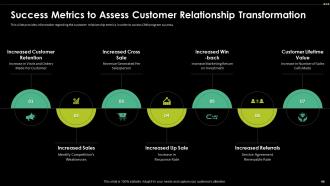
Slide 96: This slide displays Success Metrics to Assess Customer Relationship Transformation.
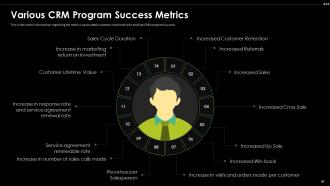
Slide 97: This slide represents Various CRM Program Success Metrics.
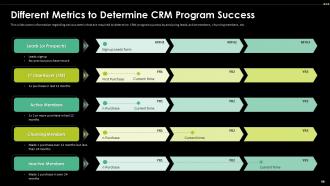
Slide 98: This slide showcases Different Metrics to Determine CRM Program Success.
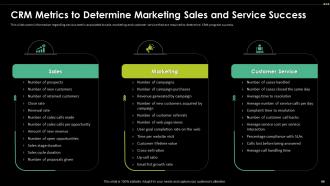
Slide 99: This slide shows CRM Metrics to Determine Marketing Sales and Service Success.
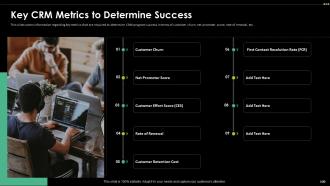
Slide 100: This slide presents Key CRM Metrics to Determine Success.
Slide 101: This slide highlights title for topics that are to be covered next in the template.
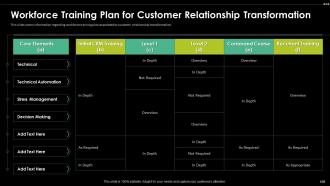
Slide 102: This slide displays Workforce Training Plan for Customer Relationship Transformation.
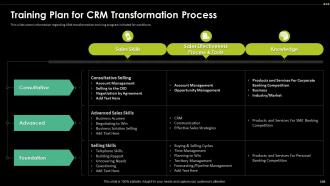
Slide 103: This slide represents Training Plan for CRM Transformation Process.
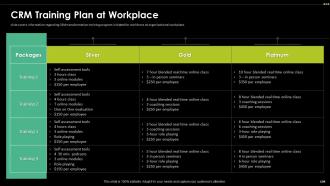
Slide 104: This slide showcases CRM Training Plan at Workplace.
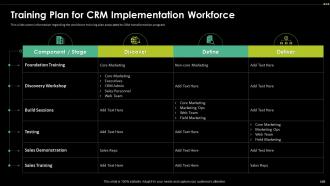
Slide 105: This slide shows Training Plan for CRM Implementation Workforce.
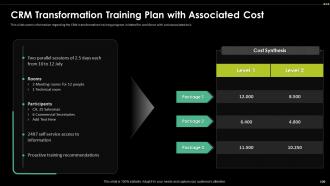
Slide 106: This slide presents CRM Transformation Training Plan with Associated Cost.
Slide 107: This slide highlights title for topics that are to be covered next in the template.
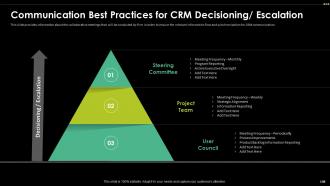
Slide 108: This slide displays Communication Best Practices for CRM Decisioning/ Escalation.
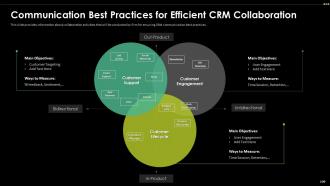
Slide 109: This slide represents Communication Best Practices for Efficient CRM Collaboration.
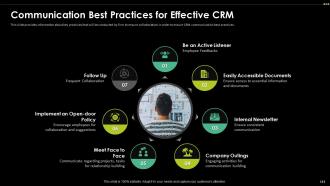
Slide 110: This slide showcases Communication Best Practices for Effective CRM.
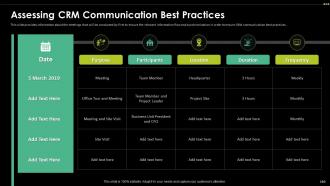
Slide 111: This slide shows Assessing CRM Communication Best Practices.
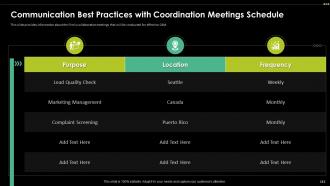
Slide 112: This slide presents Communication Best Practices with Coordination Meetings Schedule.
Slide 113: This slide highlights title for topics that are to be covered next in the template.
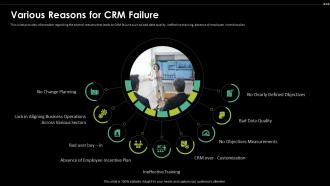
Slide 114: This slide displays several reasons that leads to CRM failure.
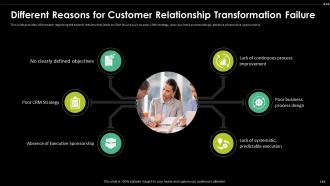
Slide 115: This slide represents Different Reasons for Customer Relationship Transformation Failure.
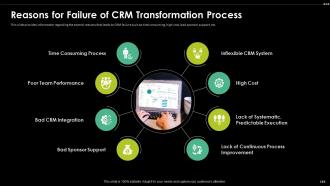
Slide 116: This slide showcases Reasons for Failure of CRM Transformation Process.
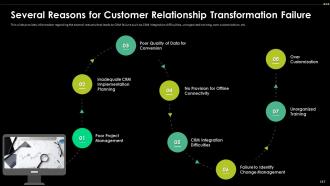
Slide 117: This slide shows Several Reasons for Customer Relationship Transformation Failure.
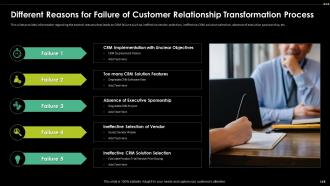
Slide 118: This slide presents Different Reasons for Failure of Customer Relationship Transformation Process.
Slide 119: This slide contains all the icons used in this presentation.
Slide 120: This is a Thank You slide with address, contact numbers and email address.
Digital Transformation Driving Customer Experience Toolkit Complete Deck with all 125 slides:
Use our Digital Transformation Driving Customer Experience Toolkit Complete Deck to effectively help you save your valuable time. They are readymade to fit into any presentation structure.





FAQs for Digital Transformation Driving Customer Experience
Key components of a successful digital transformation strategy include leadership commitment, cultural change management, technology infrastructure modernization, data analytics capabilities, and customer experience enhancement. These elements work together by aligning organizational goals with digital initiatives, streamlining operations through automation, and enabling data-driven decision making, with many companies finding that this strategic combination ultimately delivers competitive advantage and sustainable growth.
Organizations can measure digital transformation impact through key performance indicators like operational efficiency metrics, customer satisfaction scores, revenue growth rates, cost reduction percentages, and employee productivity measures. These metrics enable businesses to track tangible outcomes across departments, with many companies finding that combining financial data with operational analytics delivers comprehensive insights into transformation success and competitive positioning.
Leadership serves as the catalyst for digital transformation by setting strategic vision, allocating resources, fostering cultural change, and championing innovation throughout the organization. Effective leaders drive transformation by communicating clear objectives, empowering cross-functional teams, and modeling digital adoption behaviors, with many organizations finding that executive commitment ultimately determines whether initiatives deliver sustainable competitive advantage and operational efficiency.
AI and IoT significantly accelerate digital transformation by automating processes, enabling real-time data analysis, and creating interconnected operational ecosystems. These technologies streamline decision-making, enhance customer experiences, and optimize resource allocation across industries, with manufacturing companies finding improved efficiency and healthcare organizations delivering faster, more personalized services while reducing operational costs.
Companies often face challenges including legacy system integration complexities, employee resistance to change, inadequate digital skills, budget constraints, and cybersecurity concerns during transformation initiatives. While these obstacles can slow progress, organizations increasingly find that strategic planning, comprehensive training programs, and phased implementation approaches streamline the transition, ultimately delivering enhanced operational efficiency and competitive advantage.
Businesses can ensure customer-centricity in digital transformation by prioritizing user experience design, implementing feedback loops, personalizing digital touchpoints, and investing in customer data analytics. Through journey mapping and continuous testing, organizations like retail chains and financial services streamline interactions, reduce friction, and deliver tailored experiences, ultimately enhancing satisfaction while gaining competitive advantage in increasingly digital markets.
Best practices for fostering a digital-first culture include leadership commitment, employee training programs, cross-functional collaboration, data-driven decision making, and continuous innovation initiatives. These approaches streamline organizational change by encouraging experimentation, rewarding digital adoption, and integrating technology into daily workflows, with many companies finding that transparent communication and strategic investment in digital skills ultimately delivers enhanced operational efficiency and competitive advantage.
Digital transformation revolutionizes employee training through online learning platforms, virtual reality simulations, AI-powered personalized curricula, microlearning modules, and data-driven skill assessments. These technologies streamline delivery by enabling remote access, reducing costs, and providing real-time analytics, with many organizations finding that digital training accelerates skill development while enhancing employee engagement and retention.
Data analytics serves as the foundation for digital transformation by enabling data-driven decision making, predictive insights, operational optimization, and customer experience enhancement. Through advanced analytics platforms, organizations across healthcare, finance, and retail can identify inefficiencies, predict market trends, and personalize services, ultimately delivering competitive advantage and measurable ROI in their transformation initiatives.
Small businesses can leverage digital transformation by adopting cloud-based solutions, automation tools, data analytics platforms, and customer relationship management systems to level the competitive playing field. These technologies enable smaller organizations to streamline operations, enhance customer experiences, and make data-driven decisions more efficiently than larger enterprises, ultimately delivering greater agility and personalized services.
Digital transformation improves operational efficiency by automating routine tasks, streamlining workflows, enabling data-driven decision making, and integrating systems across departments. Through cloud technologies and AI-powered analytics, organizations in manufacturing, healthcare, and financial services reduce processing times, minimize manual errors, and optimize resource allocation, ultimately delivering faster services and significant cost reductions.
Regulatory and compliance challenges significantly shape digital transformation strategies by requiring organizations to balance innovation with strict adherence to industry standards, data protection laws, and security protocols. While these requirements can slow implementation timelines, they ultimately drive more robust, secure transformations, with many financial institutions and healthcare organizations finding that compliance-first approaches deliver stronger customer trust and competitive advantage.
Financial services, healthcare, retail, and manufacturing are spearheading digital transformation through strategic investments in cloud computing, AI, and automation technologies. These sectors leverage digital solutions to enhance customer experiences, streamline operations, and reduce costs, with banks accelerating loan approvals, hospitals improving patient care, and retailers personalizing shopping experiences, ultimately delivering competitive advantages in increasingly dynamic markets.
Organizations effectively scale digital transformation by establishing clear governance frameworks, investing in employee training and change management, and implementing technologies incrementally across departments. Through strategic partnerships, cloud infrastructure, and data-driven decision making, companies streamline operations, enhance customer experiences, and accelerate innovation, with many finding that phased approaches deliver sustainable growth while minimizing disruption.
Digital transformation and innovation share a symbiotic relationship, where transformation provides the technological foundation and cultural shift necessary for innovation to flourish, while innovation drives the creative application of digital solutions. Through cloud computing, data analytics, and automation, organizations streamline operations and enhance customer experiences, with many companies finding that digital transformation ultimately accelerates their innovation cycles and competitive positioning.
-
What an exhaustive collection of templates you guys have there in slideteam. Impressive!!!
-
I am so thankful for all of the templates I've found on your site. They have saved me hours every week and helped make my presentations come alive. Keep up with these amazing product releases!