


Effective Ways Of Wealth Management Powerpoint Presentation Slides





Try Before you Buy Download Free Sample Product
 Impress Your
 Audience
 100%
100% Editable
 Save Hours
 of Time


A well-planned financial strategy is crucial for an organizations success, and our Effective Ways of Wealth Management PPT template can help achieve that. The deck aims to ensure the proper procurement and utilization of funds to attain better financial performance. It covers the availability, usage, and management of funds by focusing on financial planning and management in four stages. The components of financial strategy, including financing decisions, investment decisions, dividend decisions, etc. are covered in the first stage, showing the Companys finance management. The budgeting and forecasting stage provides estimates of the firms future financial requirements to allocate funds appropriately. The deck also includes slides on financial risk probability and severity, along with mitigation strategies. It reveals various financial tools and techniques like income statements, balance sheets, and ratio analysis. Lastly, it incorporates financial analysis software solutions, impact assessment, and dashboards for tracking revenue, profitability, and new economic improvements. Get access to our comprehensive template now and streamline your financial strategy.
People who downloaded this PowerPoint presentation also viewed the following :
Content of this Powerpoint Presentation
Slide 1: This slide introduces Effective Ways of Wealth Management. State your company name and begin.
Slide 2: This slide depicts the Agenda of the presentation.
Slide 3: This slide includes the Table of contents.
Slide 4: This slide is the Continuation of the Table Of Contents.
Slide 5: This slide showcases the Key financial challenges faced by organization.
Slide 6: This slide elucidates the Comparing current company financials with competitors.
Slide 7: This slide provides glimpse about Need for new financial strategic planning.
Slide 8: This slide reveals the Title for the Contents to be covered further.
Slide 9: This slide presents the Understanding areas of financial strategy and planning.
Slide 10: This slide displays the Heading for the Topics to be discussed in the upcoming paragraphs.
Slide 11: This slide showcases the Understanding need of fundraising from multiple sources.
Slide 12: This slide depicts the Analsis of key fund sources available for financing decision.
Slide 13: This slide provides a glimpse about Assessing financial and capital structure of organization.
Slide 14: This slide contains the Title for the Topics to be covered in the next template.
Slide 15: This slide highlights the Analysis of business long term investment strategy.
Slide 16: This slide showcases the Working capital management with short term investment policy.
Slide 17: This slide contains the Title for the Contents to be covered further.
Slide 18: This slide includes the Setting of shareholders dividend payout policy.
Slide 19: This slide discusses Company shareholders dividend policy highlights.
Slide 20: This slide shows the Heading for the Ideas to be discussed in the next slide.
Slide 21: This slide exhibits the Comparison of multiple corporate investment portfolios.
Slide 22: This slide deals with Analyzing selected investment portfolio with net return.
Slide 23: This slide reveals the Title for the Topics to be discussed further.
Slide 24: This slide presents the Understanding of multiple budgeting methods and components.
Slide 25: This slide focuses on the Selection of apt budgeting method for the organization.
Slide 26: This slide provides information about the Activity based budgeting for product line.
Slide 27: This slide represents the Quarterly department financial budget allocation.
Slide 28: This slide contains the Heading for the Topics to be discussed further.
Slide 29: This slide elucidates the Cashflow management strategies for working capital requirements.
Slide 30: This slide deals with Analyzing annual working capital management.
Slide 31: This slide focuses on the Assessment of working capital modelling chart.
Slide 32: This slide depicts the Heading for the Topics to be discussed in the forth-coming slide.
Slide 33: This slide exhibits the Understanding cost management and optimization levers.
Slide 34: This slide shows the Key techniques for cost reduction and optimization.
Slide 35: This slide reveals the Cost reduction action plan with multiple initiatives.
Slide 36: This slide incorporates the Title for the Topics to be discussed further.
Slide 37: This slide focuses on Analyzing impact and probability of financial risks.
Slide 38: This slide showcases the Developing strategies to mitigate financial risks.
Slide 39: This slide contains the Heading for the Contents to be discussed in the next slide.
Slide 40: This slide illustrates the Quarterly income statement for monitoring business profitability.
Slide 41: This slide elucidates the Quarterly balance sheet for evaluating company financial position.
Slide 42: This slide covers the Determination of business performance with cash flow statement.
Slide 43: This slide illustrates the Examining of business ability to pay short term liabilities.
Slide 44: This slide focuses on Analyzing debt level with leverage ratio analysis.
Slide 45: This slide deals with Determining asset utilization ability with activity ratios.
Slide 46: This slide incorporates Measuring business earnings with profitability ratios.
Slide 47: This slide shows the Title for the Contents to be discussed further.
Slide 48: This slide highlights the Finance planning and management team structure.
Slide 49: This slide exhibits the RACI matrix for finance planning and management team.
Slide 50: This slide covers the Heading for the Ideas to be discussed next.
Slide 51: This slide provides glimpse about comparative analysis of different financial analysis software.
Slide 52: This slide elucidates the Financial analysis software pricing plans.
Slide 53: This slide includes the Title for the Contents to be covered in the next slide.
Slide 54: This slide deals with Analyzing impact of new financial strategic planning.
Slide 55: This slide incorporates the Headings for the Topics to be discussed next.
Slide 56: This slide focuses on Tracking the cashflow improvements with cash management dashboard.
Slide 57: This slide illustrates the KPI dashboard to analyze financial improvements.
Slide 58: This slide contains all the icons used in this presentation.
Slide 59: This slide is titled as Additional Slides for moving forward.
Slide 60: This slide shows Company overview with mission and vision statement.
Slide 61: This slide provides Clustered Column chart with two products comparison.
Slide 62: This slide describes Line chart with two products comparison.
Slide 63: This slide provides 30 60 90 Days Plan with text boxes.
Slide 64: This is a Timeline slide. Show data related to time intervals here.
Slide 65: This slide shows Post It Notes. Post your important notes here.
Slide 66: This is Our Team slide with names and designation.
Slide 67: This is About Us slide to show company specifications etc.
Slide 68: This is Our Mission slide with related imagery and text.
Slide 69: This is an Idea Generation slide to state a new idea or highlight information, specifications etc.
Slide 70: This slide displays Mind Map with related imagery.
Slide 71: This slide shows SWOT describing- Strength, Weakness, Opportunity, and Threat.
Slide 72: This is a Financial slide. Show your finance related stuff here.
Slide 73: This is a Comparison slide to state comparison between commodities, entities etc.
Slide 74: This is a Location slide with maps to show data related with different locations.
Slide 75: This is a Thank You slide with address, contact numbers and email address.
Effective Ways Of Wealth Management Powerpoint Presentation Slides with all 80 slides:
Use our Effective Ways Of Wealth Management Powerpoint Presentation Slides to effectively help you save your valuable time. They are readymade to fit into any presentation structure.
-

Effective Ways of Wealth Management
-

Agenda for effective ways of wealth management
-
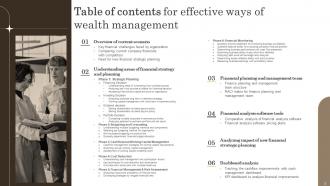
Table of contents for effective ways of wealth management
-

Table of contents for effective ways of wealth management
-

Key financial challenges faced by organization
-
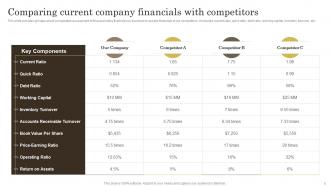
Comparing current company financials with competitors
-
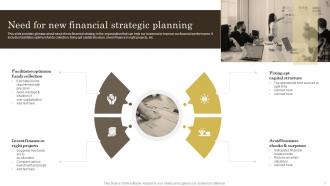
Need for new financial strategic planning
-

Table of contents for effective ways of wealth management
-
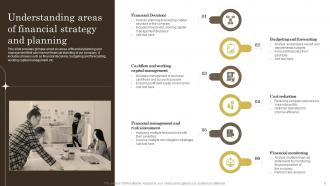
Understanding areas of financial strategy and planning
-

Table of contents for effective ways of wealth management
-
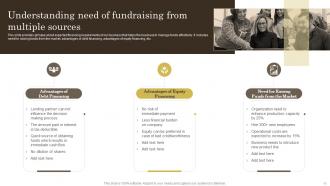
Understanding need of fundraising from multiple sources
-

Analyzing key fund sources available for financing decision
-
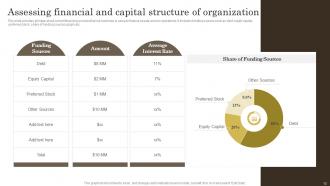
Assessing financial and capital structure of organization
-

Table of contents for effective ways of wealth management
-
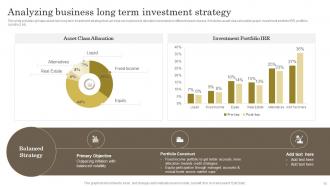
Analyzing business long term investment strategy
-
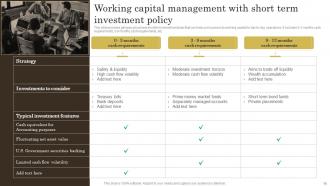
Working capital management with short term investment policy
-

Table of contents for effective ways of wealth management
-
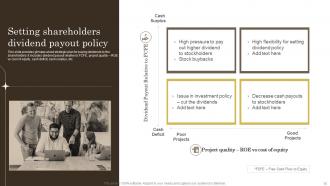
Setting shareholders dividend payout policy
-
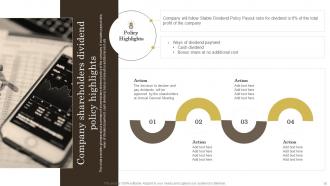
Company shareholders dividend policy highlights
-

Table of contents for effective ways of wealth management
-
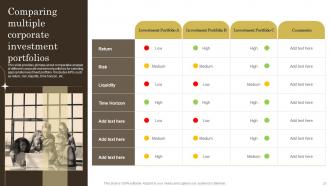
Comparing multiple corporate investment portfolios
-
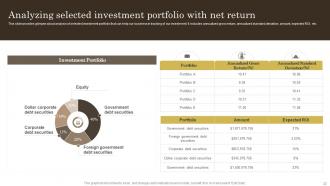
Analyzing selected investment portfolio with net return
-

Table of contents for effective ways of wealth management
-

Understanding multiple budgeting methods and components
-
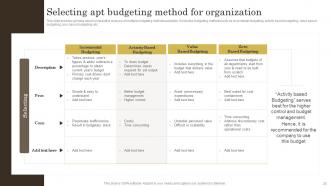
Selecting apt budgeting method for organization
-

Activity based budgeting for product line
-
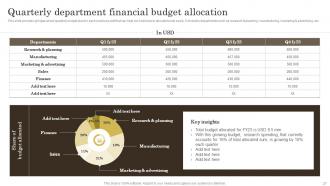
Quarterly department financial budget allocation
-

Table of contents for effective ways of wealth management
-

Cashflow management strategies for working capital requirements
-
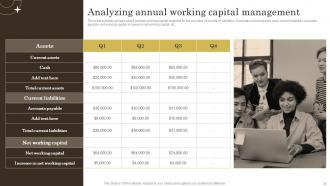
Analyzing annual working capital management
-

Assessment of working capital modelling chart
-

Table of contents for effective ways of wealth management
-
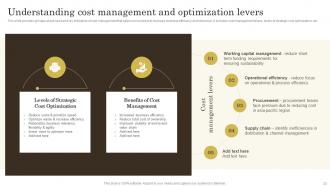
Understanding cost management and optimization levers
-

Key techniques for cost reduction and optimization
-

Cost reduction action plan with multiple initiatives
-

Table of contents for effective ways of wealth management
-
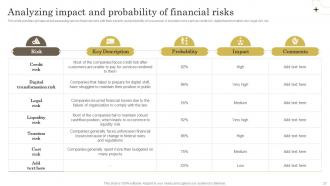
Analyzing impact and probability of financial risks
-
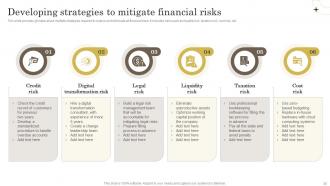
Developing strategies to mitigate financial risks
-

Table of contents for effective ways of wealth management
-
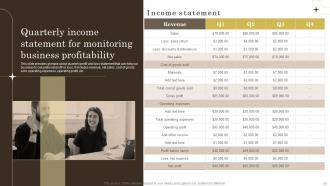
Quarterly income statement for monitoring business profitability
-
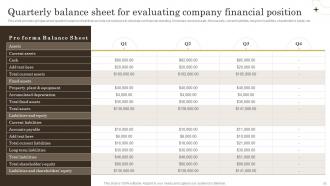
Quarterly balance sheet for evaluating company financial position
-
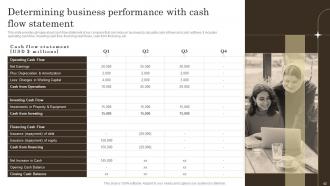
Determining business performance with cash flow statement
-
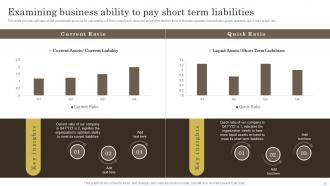
Examining business ability to pay short term liabilities
-
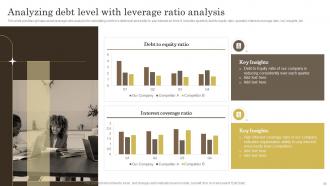
Analyzing debt level with leverage ratio analysis
-
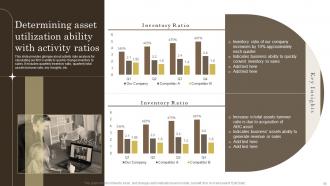
Determining asset utilization ability with activity ratios
-
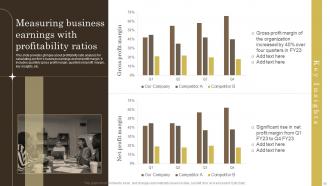
Measuring business earnings with profitability ratios
-

Table of contents for effective ways of wealth management
-
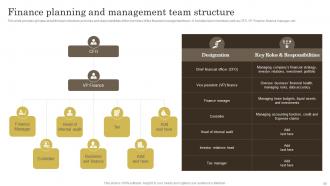
Finance planning and management team structure
-
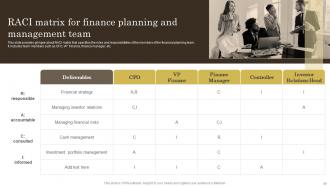
RACI matrix for finance planning and management team
-

Table of contents for effective ways of wealth management
-
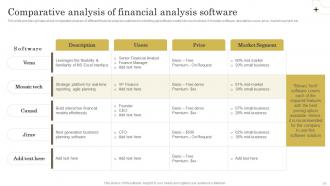
Comparative analysis of financial analysis software
-
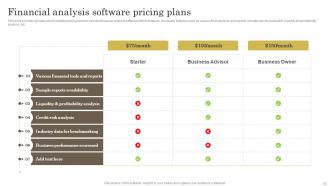
Financial analysis software pricing plans
-

Table of contents for effective ways of wealth management
-

Analyzing impact of new financial strategic planning
-

Table of contents for effective ways of wealth management
-
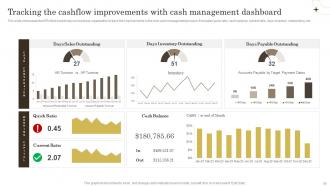
Tracking the cashflow improvements with cash management dashboard
-
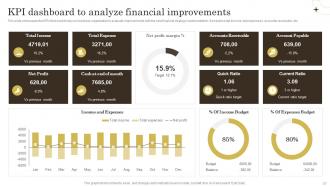
KPI dashboard to analyze financial improvements
-

Icons slide for Effective Ways of Wealth Management
-

Additional slides
-
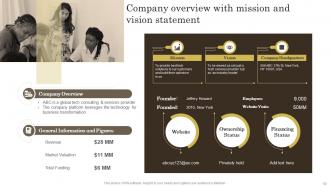
Company overview with mission and vision statement
-
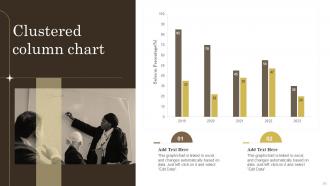
Clustered column chart
-

Line chart
-

Effective Ways of Wealth Management
-

Timeline
-

Post it notes
-

Our team
-

About us
-

Our vision mission and goal
-

Idea generation
-

Mind map
-
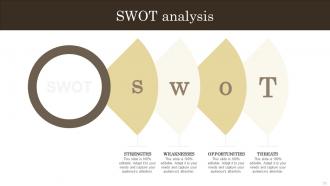
SWOT analysis
-
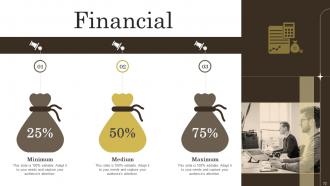
Financial
-

Comparison
-

Location
-

Thanks for watching
-

-

-

-

-

FAQs for Effective Ways Of Wealth Management
**INPUT**: What are the key components of an effective wealth management strategy? **OUTPUT**: Key components include asset allocation, risk assessment, tax optimization, estate planning, and regular portfolio rebalancing. These strategies streamline financial growth by diversifying investments, minimizing tax liabilities, and protecting wealth across generations, with many financial institutions finding that integrated approaches ultimately deliver enhanced returns and long-term financial security for clients. [Word count: 53 words]
Diversification mitigates portfolio risks by spreading investments across different asset classes, sectors, geographic regions, and investment vehicles, reducing exposure to any single market downturn. Through strategic allocation across stocks, bonds, real estate, and commodities, investors can minimize volatility while maintaining growth potential, with many financial advisors finding that diversified portfolios deliver more consistent long-term returns than concentrated investments.
Asset allocation serves as the foundation of long-term wealth growth by diversifying investments across stocks, bonds, real estate, commodities, and alternative assets to optimize risk-adjusted returns. This strategic approach enables investors to capture growth opportunities while managing volatility, with many financial advisors finding that proper allocation accounts for up to 90% of portfolio performance over time.
Tax strategies integrate into comprehensive wealth management by optimizing asset allocation, timing income and deductions, and structuring investments for maximum after-tax returns across portfolios. Through strategic tax-loss harvesting, retirement account optimization, and estate planning coordination, wealth managers help clients minimize tax burdens while maximizing long-term growth, ultimately delivering enhanced wealth preservation and improved financial outcomes.
Working with a certified financial planner delivers comprehensive financial analysis, personalized investment strategies, tax optimization, retirement planning, and risk management expertise. These professionals streamline wealth-building by providing objective guidance, regulatory compliance knowledge, and strategic asset allocation, with many high-net-worth individuals finding that certified planners ultimately enhance long-term financial outcomes and minimize costly investment mistakes.
Behavioral finance significantly impacts wealth management by revealing how cognitive biases, emotional reactions, and psychological patterns influence client investment choices, often leading to suboptimal decisions like panic selling or overconfidence trading. Wealth managers increasingly integrate behavioral coaching with portfolio management, helping clients recognize biases through structured decision frameworks and educational approaches, ultimately delivering more disciplined investment outcomes and improved long-term financial performance.
Common wealth management mistakes include lack of diversification, emotional investing decisions, inadequate emergency funds, poor tax planning, and insufficient retirement savings. These missteps often stem from short-term thinking and market timing attempts, with many individuals finding that working with financial advisors and maintaining disciplined, long-term strategies ultimately delivers better portfolio performance and wealth accumulation.
Estate planning enhances generational wealth transfer by minimizing estate taxes, establishing strategic trusts, implementing gifting strategies, and creating structured succession plans that protect assets across generations. Through comprehensive estate planning, wealthy families can reduce tax burdens, maintain asset control, and ensure smooth wealth transitions, with many finding that proactive planning preserves significantly more wealth for beneficiaries while avoiding costly probate complications.
Emerging trends in sustainable investing include ESG integration, impact investing, climate-focused portfolios, green bonds, and AI-driven sustainability analytics. These approaches streamline portfolio alignment with client values while delivering competitive returns, with many wealth management firms finding that sustainable strategies enhance long-term performance and attract environmentally conscious investors seeking meaningful financial growth.
Economic indicators significantly influence wealth management by guiding asset allocation decisions, risk assessment protocols, and investment timing strategies across different market cycles. When inflation rises or interest rates fluctuate, wealth managers adjust portfolio compositions, rebalance equity-to-bond ratios, and modify client investment horizons, ultimately delivering more resilient financial outcomes and preserving long-term wealth growth potential.
Active management involves fund managers making strategic decisions, conducting research, and frequently trading securities to outperform market benchmarks, while passive management tracks market indices with minimal trading and lower fees. Active approaches offer potential for higher returns but present increased costs and risks, whereas passive strategies deliver consistent market performance with reduced expenses, with many financial institutions finding that combining both approaches enhances portfolio diversification and client outcomes.
Technology and fintech revolutionize wealth management through AI-powered portfolio optimization, robo-advisors, blockchain security, real-time analytics, and automated rebalancing systems. These innovations streamline client onboarding, enhance risk assessment accuracy, and deliver personalized investment strategies at scale, with many financial institutions finding that digital platforms reduce operational costs while improving client engagement and portfolio performance.
Market volatility presents both challenges and opportunities for wealth preservation, requiring strategic asset diversification, risk management protocols, and adaptive portfolio rebalancing to minimize losses. While short-term fluctuations can erode portfolio values, they also create buying opportunities for long-term investors, with many financial institutions finding that disciplined approaches ultimately enhance wealth preservation outcomes.
Client education is fundamental to successful wealth management, enabling informed decision-making, realistic expectations, and stronger advisor-client relationships built on transparency and trust. Through comprehensive education about investment strategies, market dynamics, and risk management, clients become active partners in their financial journey, ultimately leading to better adherence to long-term plans and improved wealth outcomes.
Ethical considerations in wealth management include fiduciary responsibility, transparency in fee structures, conflict of interest management, suitable investment recommendations, and client confidentiality protection. These principles ensure advisors prioritize client interests over profits, with many financial institutions finding that ethical practices ultimately enhance client trust, reduce regulatory risks, and deliver sustainable competitive advantages.
-
You can rely on SlideTeam whenever you run out of designs for your presentation. Thank you so much SlideTeam!
-
Excellent Designs.