


Employee Referral Program Powerpoint Ppt Template Bundles




Try Before you Buy Download Free Sample Product
 Impress Your
 Audience
 100%
100% Editable
 Save Hours
 of Time


Our Employee Referral Program Powerpoint Ppt Template Bundles are topically designed to provide an attractive backdrop to any subject. Use them to look like a presentation pro.
People who downloaded this PowerPoint presentation also viewed the following :
Employee Referral Program Powerpoint Ppt Template Bundles with all 18 slides:
Use our Employee Referral Program Powerpoint Ppt Template Bundles to effectively help you save your valuable time. They are readymade to fit into any presentation structure.






FAQs for Employee Referral Program Powerpoint
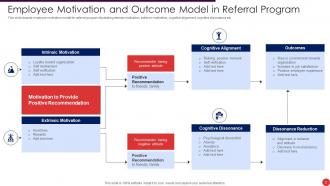
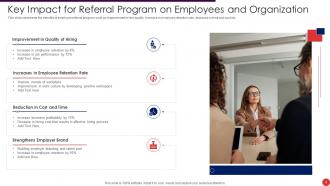
Dude, employee referrals are honestly a game-changer. You get way better candidates because your team won't recommend someone they wouldn't want to sit next to every day. Way cheaper than recruiters too - I learned that the hard way after burning through our hiring budget last year. People who come through referrals actually stick around longer since they already get the vibe. Plus your current employees feel more invested when they're helping build the team. Hiring happens faster because referrals are basically pre-screened. Throw some decent incentives at it - like $500-1000 - and watch what happens.
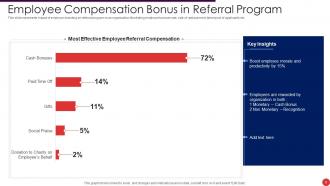
Hey! So for referral bonuses, I'd go with tiered amounts - like $500 for entry-level but bump it to $2K+ for senior engineers or those nightmare-to-fill roles. Cash works best, though extra PTO days are pretty sweet too. Split the payout though - half when they're hired, half after 90 days. Otherwise you're just paying for people who bail immediately, which sucks. Keep the whole process super straightforward and set clear timelines. Oh, and definitely look at your current referral numbers first to see where you actually need the bigger incentives. Some roles might not need as much as you think.
Check conversion rates first - how many referrals actually get hired vs regular candidates. Time-to-hire matters too since referrals move way faster. Quality's harder to measure, but look at retention after 6 months and a year (referred people usually stay longer, which is honestly one of the best parts). Don't ignore how many employees are actually participating in the program either. I'd pull these numbers every quarter and stack them against your normal recruiting stats. Oh, and compare everything to your baseline metrics so you can actually see what's working.
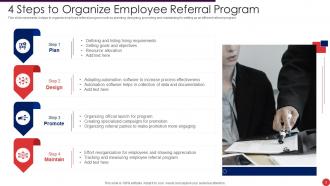
Honestly, most companies are terrible at promoting these programs - they'll set them up then basically forget to tell anyone! You've gotta blast it everywhere: email, Slack, meetings, maybe even throw up some posters. Keep the actual process stupid simple though, like 2-3 clicks max. Nobody wants to fill out some nightmare form. When someone's referral gets hired, make a big deal about it! Celebrate that employee publicly. Oh, and be super clear about rewards upfront - what you get and when you'll actually see it. I'd start by checking how you're promoting it now. You might find some obvious gaps you totally missed.
Honestly, your company culture is everything when it comes to referrals. People who love their job will naturally want their friends to work there too - kinda like how you can't stop raving about that Thai place you discovered. But if your workplace sucks? Nobody's gonna risk their reputation by sending people into a mess. I've seen this play out so many times. Strong culture means employees actually think about who'd be a good fit before they refer someone. They're not just throwing names at you for the bonus money. The better your vibe, the better candidates you'll get.
So here's what I'd do - start tracking who's getting referred and set some actual targets for diversity. Train people on unconscious bias because honestly, we all have it. Partner with HBCUs and diverse professional orgs to expand everyone's networks. Some places do bonus incentives for diverse referrals, but that feels weird to me? Structure your referral process around skills instead of "culture fit" - that's usually code for hiring people who look like us anyway. Check your data regularly to see what patterns pop up.
Referred employees come in with crazy high expectations since they've already heard all the good stuff from your team. Don't make their buddy the same person who referred them - trust me, that gets awkward fast if things go sideways. Get them some early face time with leadership and be really upfront about what the role actually looks like. The person who referred them should definitely stay in the loop, but they can't be their only work friend. Oh, and here's something people forget - check in with both the new person AND whoever referred them at 30 and 90 days. You'll catch problems way before they turn into people quitting.
Honestly, tech makes referral programs so much less of a pain. You can automate all that tedious tracking stuff - submissions, status updates, bonus calculations. No more spreadsheet hell! Most HR platforms like Workday or BambooHR handle it, plus they'll flag referred candidates in your ATS automatically. The data side is actually pretty cool too - you'll see which employees are your secret recruiting weapons (it's never who you'd expect). Oh, and there are dedicated referral platforms if your current system sucks. Worth checking out - your team will thank you for making the process less clunky.
Honestly, you're gonna deal with two main headaches: people either completely ignore the program or they refer literally anyone just to grab the bonus money. Keep it super simple - clear job descriptions, regular reminders that don't make people want to hide from you. Train your team so they actually know what makes a good candidate (this part gets overlooked way too much). Recognition can work better than throwing cash at people, weirdly enough. Oh, and definitely survey your current employees first about what would actually motivate them to refer decent people. Most companies just guess at this part and wonder why nothing works.
Honestly, just ask your employees what's bugging them about the referral thing. Most companies never do this - which is wild because it's so obvious! Send out quick surveys after someone refers a candidate, maybe run some focus groups every few months. Anonymous feedback works great too since people will actually tell you what sucks. The biggest mistake? Not following up when they give suggestions. If Sarah says the process takes forever, fix it and tell everyone you fixed it. Start simple - just ask what would make them want to refer more people. You'll probably get some eye-opening answers.
Yeah so entry-level referrals are usually like $500-2K since those jobs aren't too hard to fill. But executive referrals? That's the goldmine - $5K-$25K because finding good senior people is such a nightmare. The catch is you'll wait longer for executive payouts since they need to make sure the person actually stays. Oh and not everyone can refer executives - there's usually stricter rules about who's eligible. Makes sense though, you can't just have random people suggesting their neighbor for a VP role. Definitely check your HR portal for the bonus breakdown before you refer anyone.
Honestly, most referral programs fail because people refer someone and then it's radio silence. Keep your referrers updated! Tell them if their person made it to interviews, got hired, or didn't work out. Set up a simple way for them to check status themselves - saves you time too. When someone does get hired, make a big deal about it. Thank the referrer in meetings or newsletters. People want to know their effort actually mattered, not just get a check and move on. It's weird how many companies mess this basic part up.
So the main thing you'll want to watch is discrimination stuff - can't have your program accidentally excluding protected groups or creating hiring bias. California's super strict about referral payments, and other states have weird rules too, so definitely check what applies to you. Equal opportunity laws are the big one to stay compliant with. Oh and those bonuses count as taxable income for whoever gets them - kind of annoying but whatever. Honestly though? Run this by legal first. Way easier than dealing with compliance headaches later when you're trying to scale the program up.
Referral programs are honestly brilliant because your employees become walking advertisements for your company. Think about it - nobody's gonna recommend their friend for a crappy job, so when people see your team actively referring candidates, it screams "this place doesn't suck." The word-of-mouth feels way more authentic than any fancy recruiting campaign. Referred candidates also show up with realistic expectations since they've gotten the real scoop from someone who actually works there. Just don't mess up the follow-through though - if you ghost referred candidates, it'll backfire and make your company look unprofessional instead.
Dude, referral programs are insane - they cut recruitment costs by like 50-70%. Your current team becomes your recruiting squad basically, and you're just paying them small bonuses instead of those ridiculous agency fees. People who get referred actually stick around longer too, so you're not constantly hiring for the same damn positions. Honestly, most companies have no clue what they're spending per hire through different channels. Track that stuff and you'll see how much agencies are bleeding you dry compared to a simple referral bonus. The only real costs are the bonuses and maybe someone spending a few hours managing it.
-
Loved the fact that SlideTeam provides clean, high-definition, and professional PowerPoint products.
-
These stunning templates can help you create a presentation like a pro.