


Enterprise Risk Management And Information Technology Security Complete Deck





Try Before you Buy Download Free Sample Product
 Impress Your
 Audience
 100%
100% Editable
 Save Hours
 of Time


Risk management is the identification, analysis, and control of threats to an organizations capital and earnings. IT risk management is the application of risk management methods to control IT threats. Check out our professionally designed Enterprise Risk Management and Information Technology Security. At first, It covers the current IT problems that the company is facing, which includes risks reported by the company and their impacts. It also mentions the financial burden to the company. Additionally, it covers the need for IT risk management, IT risk classification, and threat management approach with framework and process. It also describes how to evaluate IT risks. Moreover, it mentions the security criteria and control measures for IT system ulnerabilities, which include the detection and prevention of operational controls, and management security controls, and also covers detailed control measures for technical security risks. Furthermore, It covers IT security residual risk, IT risk management software, and cost estimation for system audit with risk mitigation plan with control measures. At last, it highlights the damage control assessment and IT risk management dashboards. Download this template now.
People who downloaded this PowerPoint presentation also viewed the following :
Content of this Powerpoint Presentation
Slide 1: This slide displays the title Enterprise Risk Management and Information Technology Security.
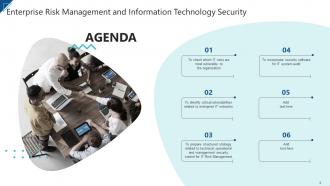
Slide 2: This slide displays the title AGENDA.
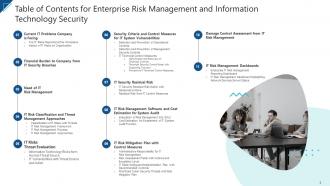
Slide 3: This slide exhibit table of content.
Slide 4: This slide exhibit table of content- Current IT Problems Company is Facing.
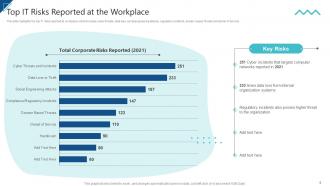
Slide 5: This slide highlights the top IT risks reported at workplace.
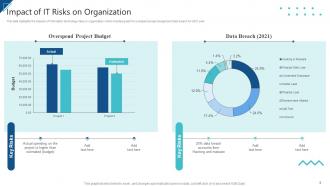
Slide 6: This slide highlights the impacts of information technology risks on organization.
Slide 7: This slide exhibit table of content- Financial Burden to Company from IT Security Breaches.
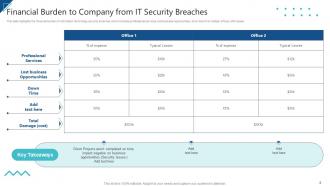
Slide 8: This slide highlights the financial burden of information technology security breaches.
Slide 9: This slide exhibit table of content- Need of IT Risk Management.
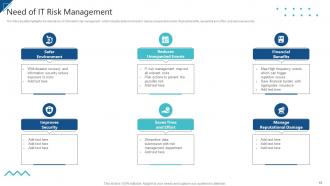
Slide 10: The following slide highlights the importance of information risk management.
Slide 11: This slide exhibit table of content- IT Risk Classification and Threat Management Approaches.
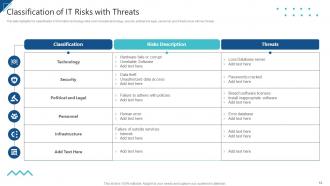
Slide 12: This slide highlights the classification of information technology risks.
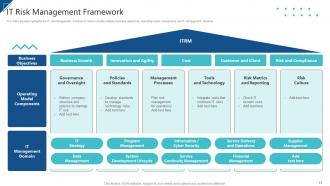
Slide 13: The following slide highlights the IT risk management framework.
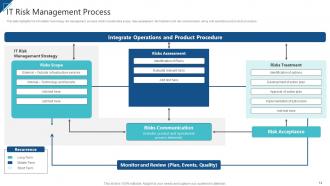
Slide 14: This slide highlights the information technology risk management process.
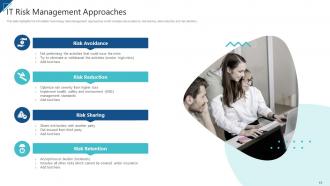
Slide 15: This slide highlights the information technology risks management approaches.
Slide 16: This slide exhibit table of content- IT Risks Threat Evaluation.
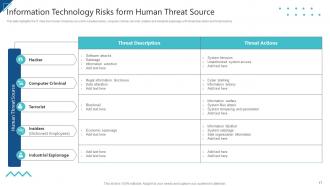
Slide 17: This slide highlights the IT risks form human threat source.
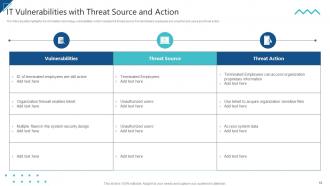
Slide 18: The following slide highlights the information technology vulnerabilities.
Slide 19: This slide exhibit table of content- Security Criteria and Control Measures for IT System Vulnerabilities.
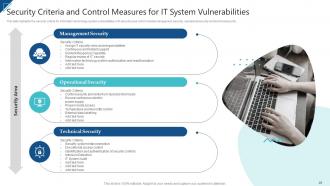
Slide 20: This slide highlights the security criteria for information technology system vulnerabilities with security area.
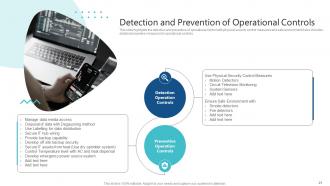
Slide 21: This slide highlights the detection and prevention of operational control.
Slide 22: The following slide highlights the management security controls which includes preventive management security controls.
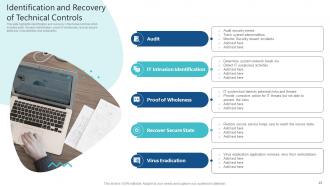
Slide 23: This slide highlights identification and recovery of technical controls.
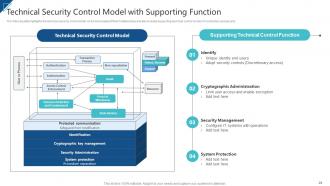
Slide 24: This slide highlights Technical Security Control Model with Supporting Function.
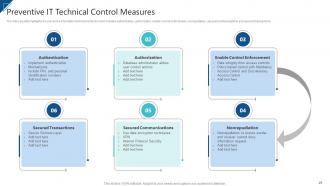
Slide 25: The following slide highlights the preventive information technical controls.
Slide 26: This slide exhibit table of content- IT Security Residual Risk.
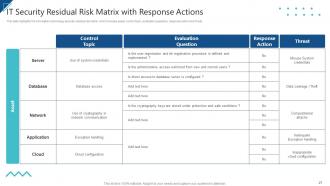
Slide 27: This slide highlights the information technology security residual risk matrix.
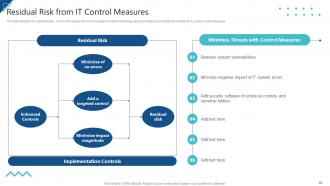
Slide 28: This slide highlights the implementation control with residual risk.
Slide 29: This slide exhibit table of content- IT Risk Management Software and Cost Estimation for System Audit.
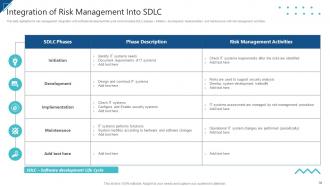
Slide 30: This slide highlights the risk management integration with software development life cycle.
Slide 31: This slide exhibit table of content- IT Risk Mitigation Plan with Control Measures.
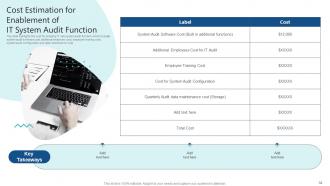
Slide 32: This slide highlights the cost for enabling IT risk system audit function.
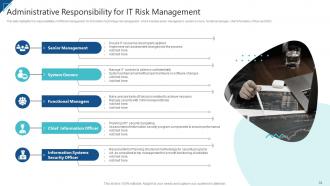
Slide 33: This slide highlights the responsibilities of different management for information technology risk management.
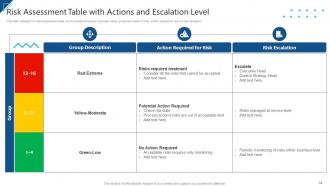
Slide 34: This slide highlights the risks assessment table which includes three type of groups (risks), group description, action required and risk escalation.
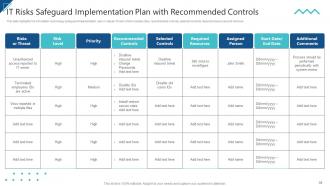
Slide 35: This slide highlights the information technology safeguard implementation plan in tabular format.
Slide 36: This slide highlights the cyber security threats with key risks and their mitigation plan and owner with risk reduction timeline.
Slide 37: This slide exhibit table of content- Damage Control Assessment from IT Risk Management.
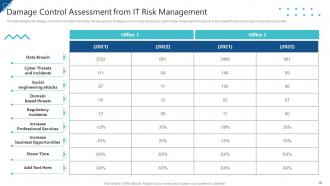
Slide 38: This slide highlights the damage control form information technology risk management strategies.
Slide 39: This slide exhibit table of content- IT Risk Management Dashboards.
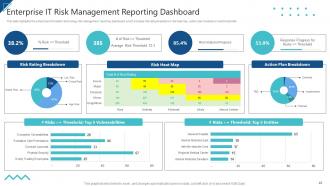
Slide 40: This slide highlights the enterprise information technology risk management reporting dashboard.
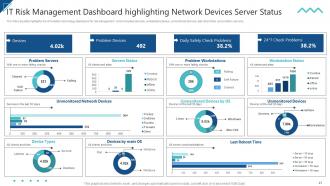
Slide 41: The following slide highlights the information technology dashboard for risk management.
Slide 42: This is the icons slide.
Slide 43: This slide presents title for additional slides.
Slide 44: This slide presents title for About us.
Slide 45: This slide presents your company's vision, mission and goals.
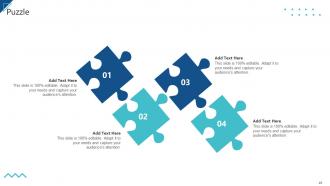
Slide 46: This slide shows puzzle for displaying elements of company.
Slide 47: This slide displays Venn.
Slide 48: This slide presents title for Our Goal.
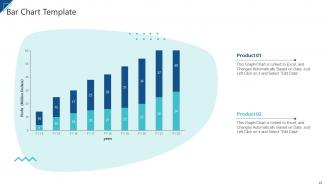
Slide 49: This slide displays yearly bar graph for different products.
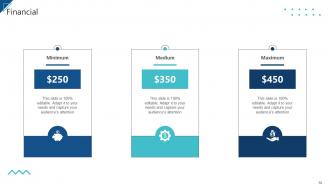
Slide 50: This slide displays the title Financial.
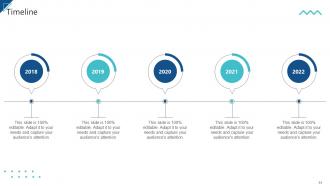
Slide 51: This slide exhibits yearly timeline of company.
Slide 52: This is thank you slide & contains contact details of company like office address, phone no., etc.
Enterprise Risk Management And Information Technology Security Complete Deck with all 57 slides:
Use our Enterprise Risk Management And Information Technology Security Complete Deck to effectively help you save your valuable time. They are readymade to fit into any presentation structure.









FAQs for Enterprise Risk Management And Information Technology
Core components of a successful ERM framework include risk governance structures, comprehensive risk assessment processes, strategic risk appetite definitions, integrated monitoring systems, and robust reporting mechanisms. These elements work together by establishing clear accountability, enabling proactive risk identification, and streamlining decision-making processes, with many organizations finding that this strategic combination ultimately delivers enhanced operational efficiency and sustainable competitive advantage.
Organizations effectively identify and assess risks through comprehensive risk assessments, stakeholder consultations, process mapping, data analytics, and regular audits across all operational areas. These systematic approaches enable companies to uncover vulnerabilities in supply chains, financial processes, and regulatory compliance, while many enterprises find that integrated risk management frameworks ultimately deliver enhanced decision-making and competitive advantage.
Leadership fundamentally shapes risk culture by modeling risk-conscious behaviors, establishing clear risk governance frameworks, and integrating risk considerations into strategic decision-making processes. Through consistent communication and accountability measures, executives create environments where employees proactively identify and escalate risks, with many organizations finding that engaged leadership ultimately delivers enhanced risk transparency and improved business resilience.
Technology enhances ERM efficiency through automated risk assessment tools, real-time monitoring systems, predictive analytics platforms, integrated dashboards, and AI-powered threat detection capabilities. These solutions streamline risk identification and analysis by eliminating manual processes, accelerating response times, and providing comprehensive visibility across operations, with many financial institutions and healthcare organizations finding that automated systems ultimately deliver faster decision-making and stronger regulatory compliance.
Common pitfalls include inadequate leadership support, siloed risk approaches across departments, over-reliance on compliance-focused frameworks, insufficient employee training, and poor integration with strategic planning processes. These challenges often result in fragmented risk oversight and reactive responses, with many organizations finding that addressing cultural resistance and establishing clear risk governance structures early significantly enhances ERM effectiveness and business resilience.
Regulatory requirements fundamentally shape organizational risk management by mandating specific compliance frameworks, reporting standards, and governance structures across industries like banking, healthcare, and manufacturing. These regulations drive companies to implement comprehensive risk assessment processes, establish robust internal controls, and maintain detailed documentation, ultimately enhancing operational transparency and stakeholder confidence while reducing regulatory penalties.
**INPUT**: What metrics should be used to evaluate the success of an ERM program? **OUTPUT**: ERM program success metrics include risk assessment frequency, incident response times, compliance audit scores, risk mitigation effectiveness rates, and strategic objective alignment percentages. These measurements enable organizations to track operational improvements, regulatory adherence, and financial protection, with many enterprises finding that combining quantitative dashboards with qualitative stakeholder feedback delivers comprehensive program visibility and continuous enhancement opportunities.
Organizations balance risk-taking and risk-averse strategies through portfolio diversification, scenario planning, risk appetite frameworks, and phased implementation approaches. This strategic combination enables companies to pursue growth opportunities in emerging markets while maintaining operational stability, with many financial services and manufacturing firms finding that measured risk-taking ultimately delivers competitive advantage and sustainable growth.
Effective strategies include developing clear, role-specific communication frameworks, utilizing visual dashboards and reporting tools, conducting regular training sessions, establishing feedback mechanisms, and creating escalation protocols. These approaches enhance stakeholder understanding by translating complex risk data into actionable insights, ensuring consistent messaging across departments, and ultimately delivering improved compliance rates and faster risk response times throughout the organization.
Scenario analysis enables organizations to model potential risk outcomes by creating detailed "what-if" situations, stress-testing current strategies, and identifying vulnerabilities before they materialize. Through systematic evaluation of various economic, operational, and market scenarios, companies can develop contingency plans, optimize resource allocation, and enhance decision-making frameworks, ultimately strengthening organizational resilience.
Integrating ERM with strategic planning ensures risk considerations are embedded in decision-making processes, enabling organizations to identify potential threats and opportunities early, align risk appetite with strategic objectives, and optimize resource allocation. This strategic combination delivers enhanced operational resilience, improved stakeholder confidence, and competitive advantage, with many enterprises finding that integrated approaches streamline both planning cycles and risk responses.
Organizations leverage data analytics in risk assessment through predictive modeling, real-time monitoring, pattern recognition, scenario analysis, and automated reporting systems. These technologies enhance decision-making by identifying emerging threats faster, quantifying risk exposure more accurately, and enabling proactive mitigation strategies, with many financial institutions and healthcare organizations finding that analytics-driven approaches deliver significantly improved risk visibility and operational efficiency.
Recent high-profile failures highlight critical lessons including inadequate early warning systems, siloed risk assessment approaches, insufficient regulatory compliance monitoring, and poor stakeholder communication protocols. These breakdowns demonstrate that organizations need integrated risk frameworks, real-time monitoring capabilities, and cross-functional collaboration, with many enterprises finding that proactive transparency and continuous risk culture development ultimately deliver stronger resilience and stakeholder trust.
Organizations should approach emerging risk mitigation through continuous environmental scanning, scenario planning, cross-functional collaboration, and adaptive frameworks that can evolve with new threats. This proactive strategy enables companies to identify potential disruptions early, develop flexible response protocols, and build organizational resilience, with many enterprises finding that diversified mitigation approaches ultimately deliver competitive advantage in uncertain markets.
**INPUT**: What training and resources are necessary to develop a proficient ERM team? **OUTPUT**: Developing a proficient ERM team requires comprehensive risk assessment training, regulatory compliance education, data analytics capabilities, crisis management protocols, and industry-specific knowledge. Organizations enhance team effectiveness by providing advanced certifications, cross-functional workshops, and specialized software tools, with many finding that continuous learning programs ultimately deliver stronger risk oversight and competitive advantage. **Word count: 54 words**
-
If you have visited their site and failed to find the products, try reaching the customer service because it will be the case that you didn't use the search bar well.
-
This design is not only aesthetically pleasing but it has many uses making the cost worthwhile. The graphics look stunning, and you can edit them as per your needs.