


Financial Feasibility Powerpoint Ppt Template Bundles






Try Before you Buy Download Free Sample Product
 Impress Your
 Audience
 100%
100% Editable
 Save Hours
 of Time


Our Financial Feasibility Powerpoint Ppt Template Bundles are topically designed to provide an attractive backdrop to any subject. Use them to look like a presentation pro.
People who downloaded this PowerPoint presentation also viewed the following :
Financial Feasibility Powerpoint Ppt Template Bundles with all 17 slides:
Use our Financial Feasibility Powerpoint Ppt Template Bundles to effectively help you save your valuable time. They are readymade to fit into any presentation structure.







FAQs for Financial Feasibility Powerpoint
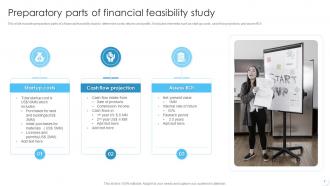
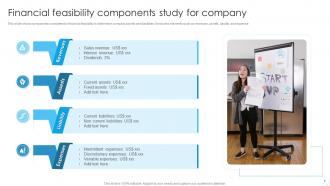
Key components include initial capital requirements, projected cash flows, return on investment calculations, break-even analysis, and risk assessment factors. These financial metrics work together to evaluate project viability by examining funding needs, revenue potential, and profitability timelines, with many organizations finding that comprehensive feasibility analysis ultimately delivers better resource allocation and strategic decision-making capabilities.
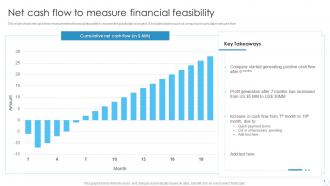
Cash flow analysis influences financial feasibility decisions by revealing project liquidity patterns, timing of returns, and funding requirements throughout implementation phases. This comprehensive assessment enables organizations to identify potential cash shortfalls, optimize resource allocation, and determine strategic financing needs, with many businesses finding that detailed cash flow projections ultimately deliver more accurate investment decisions and enhanced operational planning capabilities.
Market trends significantly influence financial feasibility by affecting demand forecasting, pricing strategies, competitive positioning, and revenue projections for new ventures. Understanding emerging patterns enables entrepreneurs to identify market opportunities, assess timing risks, and validate business models, with many successful startups finding that aligning their offerings with favorable trends ultimately delivers stronger investor confidence and sustainable growth potential.
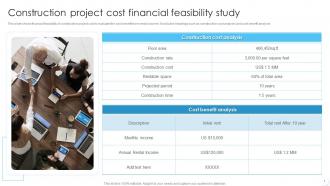
Evaluating cost-benefit ratios involves comparing total project costs against projected revenues, calculating net present value, assessing payback periods, and analyzing return on investment metrics. Through comprehensive financial modeling, organizations can quantify implementation expenses, operational savings, and revenue generation potential, while considering risk factors and market conditions, ultimately enabling informed investment decisions that deliver sustainable competitive advantage.
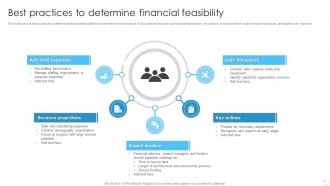
Effective financial feasibility analysis tools include cash flow projections, sensitivity analysis, break-even calculations, NPV modeling, and scenario planning software. These methods enable organizations to evaluate investment viability by assessing risk factors, market variables, and return potential, with many financial institutions and project developers finding that comprehensive analysis ultimately delivers more informed decision-making and competitive advantage.
Sensitivity analysis enhances financial feasibility accuracy by testing how changes in key variables like costs, revenues, and interest rates impact project outcomes, identifying critical assumptions and potential risks. This approach enables organizations to understand which factors most significantly affect profitability, ultimately delivering more robust investment decisions and strategic planning in increasingly volatile business environments.
Stakeholder interests significantly affect financial feasibility through funding decisions, resource allocation, timeline expectations, and risk tolerance levels that directly impact project costs and revenue projections. When investors prioritize quick returns while communities demand environmental safeguards, projects must balance these competing interests through strategic planning, ultimately delivering sustainable outcomes that satisfy diverse stakeholder groups and ensure long-term viability.
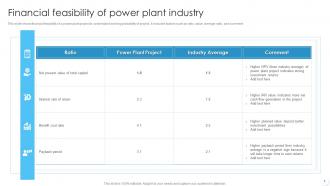
Financial ratios evaluate investment viability by analyzing profitability metrics like ROI and NPV, liquidity ratios such as current and quick ratios, and leverage indicators including debt-to-equity ratios. These analytical tools enable investors to assess risk levels, compare opportunities systematically, and predict cash flow patterns, with many financial institutions finding that comprehensive ratio analysis ultimately delivers more informed investment decisions and enhanced portfolio performance.
Common pitfalls include overly optimistic revenue projections, underestimating operational costs, insufficient market research, ignoring seasonal variations, and inadequate risk assessment. These errors undermine credibility and decision-making accuracy, with many organizations finding that conservative assumptions, comprehensive competitor analysis, and scenario planning ultimately deliver more reliable feasibility assessments and strategic investment decisions.
External factors significantly impact financial feasibility through changing interest rates, market demand fluctuations, regulatory shifts, currency volatility, and supply chain disruptions that alter project costs and revenue projections. Economic downturns can reduce consumer spending and tighten credit availability, while favorable conditions enhance investment opportunities, with many organizations finding that scenario planning and sensitivity analysis help navigate these variables and maintain strategic advantage.
Break-even analysis determines when project revenues equal costs, providing crucial timing insights for investment decisions, cash flow planning, and risk assessment. This analysis enables organizations to evaluate project viability, set realistic timelines, and make strategic resource allocation decisions, with many financial institutions and manufacturing companies finding that accurate break-even calculations significantly enhance project success rates and operational efficiency.
Scenario planning enhances financial feasibility studies by modeling multiple potential futures, stress-testing assumptions under varying market conditions, and identifying critical risk factors that could impact project viability. This approach enables organizations to evaluate best-case, worst-case, and most-likely outcomes simultaneously, ultimately delivering more resilient investment decisions and strategic flexibility in an increasingly uncertain business environment.
Funding availability determines whether a project can secure necessary capital through debt, equity, venture funding, or grants to cover initial investments and operational costs. Limited funding options can compromise project scope and timeline, while diverse funding sources enhance financial flexibility, reduce risk exposure, and enable organizations to pursue strategic initiatives that deliver competitive advantage and sustainable growth.
Startups should prioritize cash flow projections, burn rate, runway length, and customer acquisition costs, while established businesses focus on ROI, profit margins, debt-to-equity ratios, and market share growth. These different approaches reflect varying risk profiles and growth stages, with startups emphasizing survival metrics and established companies measuring optimization efficiency, ultimately enabling appropriate investment decisions and strategic resource allocation.
Regulatory requirements significantly influence financial feasibility by determining compliance costs, operational parameters, timeline constraints, and market access conditions. These requirements can add substantial upfront investments and ongoing expenses, while also creating competitive barriers that protect compliant businesses, with many organizations finding that early regulatory alignment, though costly initially, ultimately delivers market advantages and sustainable operations.
-
Thanks for all your great templates they have saved me lots of time and accelerate my presentations. Great product, keep them up!
-
I joined SlideTeam last month and there’s no doubt that I tend to find our bond only strengthening over time. Best place to find world-class themes, templates, and icons.