


Food Marketing Strategy Powerpoint Ppt Template Bundles




Try Before you Buy Download Free Sample Product
 Impress Your
 Audience
 100%
100% Editable
 Save Hours
 of Time


Our Food Marketing Strategy Powerpoint Ppt Template Bundles are topically designed to provide an attractive backdrop to any subject. Use them to look like a presentation pro.
People who downloaded this PowerPoint presentation also viewed the following :
Food Marketing Strategy Powerpoint Ppt Template Bundles with all 29 slides:
Use our Food Marketing Strategy Powerpoint Ppt Template Bundles to effectively help you save your valuable time. They are readymade to fit into any presentation structure.















FAQs for Food Marketing Strategy Powerpoint
First thing - figure out exactly who you're selling to. Like, get super specific about your ideal customer. Then craft your brand story around what actually makes them want to buy. Good food photography is honestly make-or-break (I can't stress this enough), and you need that visual consistency everywhere. Pick channels where your people actually hang out, not just where you think they should be. Seasonal campaigns work great, plus real customer photos beat fancy ads every time. Oh, and make sure your pricing matches how you're positioning yourself - that's huge.
Here's what I've learned about consumer behavior - it shows you what people really do vs what they tell you in surveys. Huge difference! Like everyone says they want healthy food but then grabs whatever's easiest when they're rushing. I've watched so many products bomb because teams didn't pay attention to actual shopping patterns. Map those behaviors to your product features though. People doing lunch runs? Skip the pretty packaging and focus on grab-and-go design. The gap between stated preferences and real behavior is where you'll find your best opportunities.
Dude, branding is everything in food. Look at Coke's red or those McDonald's arches - you spot them instantly, right? That's the power right there. Your brand needs to scream quality and values before anyone even takes a bite. Honestly, it can make or break you these days. Good branding lets you charge more, keeps customers coming back, and helps when you launch new stuff. Oh, and keep everything consistent - your packaging, social posts, all of it. People notice when things don't match up.
Honestly, food content is all about the visuals - get those drool-worthy photos and behind-the-scenes cooking videos up on Instagram and TikTok. Your customers will do half the work for you if you create a good hashtag and repost their pics (trust me, they eat that validation up). I'd say pick one platform first and actually nail it before spreading yourself thin. Food influencers are gold for partnerships too. Oh, and don't be one of those accounts that posts then disappears - reply to comments! People can tell when you're actually engaging vs. just going through the motions.
Honestly, good food photography is like 90% of it - makes people actually want your product. Your fonts need to be readable from across the aisle, and colors should scream your brand vibe. Don't bury the good stuff (organic, high protein, whatever) in tiny text nobody reads. Put that front and center. Clean design wins but make it memorable too. Here's the thing though - test everything at actual shelf height because that's where people decide. I'd start by thinking about how your customers actually shop and go from there.
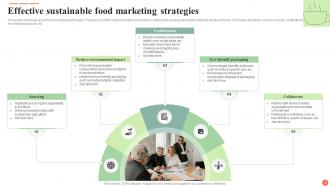
Honestly, just start with whatever you're already doing right - local sourcing, recyclable packaging, whatever it is. Build your messaging around that stuff instead of making things up. Consumers are pretty good at spotting fake green marketing now, so don't even try it. Tell the real story about your sustainability journey, even if it's messy or incomplete. Partner with influencers who actually care about this stuff. Those certifications like organic or fair trade help too - people trust them. Oh, and make it part of your actual brand story, not some random campaign you slap on later.
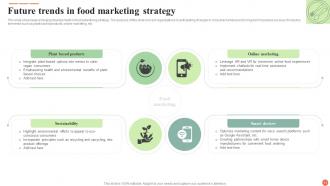
Honestly, you've gotta stay on top of what's trending or you'll get left behind. Jump on plant-based stuff, Korean flavors, whatever's viral on TikTok right now. Timing is everything though - too early and nobody cares, too late and you look desperate trying to catch up. I'd start following food influencers religiously, they usually spot things first. Some trends seem totally random but they actually work, which is wild. Your campaigns need to speak that trendy language people are already using. Oh and industry reports help too, but influencers are honestly faster at calling what's next.
Dude, get specific with your sourcing! Instead of saying "local farms," name drop the actual places - people love that. Show photos of your team picking up deliveries or visiting suppliers. Honestly, the storytelling angle works so well - like "harvested 20 miles from here" hits different than generic local claims. Social media's perfect for this stuff. Tie everything to what's actually growing nearby right now. Oh, and first figure out what percentage of your ingredients really come from within 100 miles. You'd be surprised how many places stretch that definition.
Honestly, start with just 3-4 metrics that actually matter for your goals - don't go crazy trying to track everything. Revenue growth and customer acquisition cost are obvious ones. But also look at repeat purchases since that tells you way more than one-time conversions. For the engagement stuff, check your social media numbers, email opens, and website traffic from campaigns. Brand awareness surveys are clutch but yeah, they're annoying to set up consistently. Oh and customer lifetime value - that one's huge. Way more important than just looking at quick conversion rates. Focus on the financial stuff first, then layer in engagement data to get the full story.
Dude, storytelling is a game-changer for food brands. People connect with narratives way more than boring ingredient lists. Like, tell them about your grandma's secret recipe or how you source from this tiny farm upstate. Way more memorable than another brand screaming "premium quality" (ugh, so overdone). Facts are forgettable - stories stick. Plus it actually sets you apart from competitors who all sound the same. Just make sure it's genuine and connects to what makes your product special. Nobody wants some fake corporate backstory, you know?
Dude, the whole "healthy = tasteless and overpriced" thing is your biggest enemy right off the bat. People automatically assume it'll be cardboard with a $12 price tag. Then there's the FDA nightmare - seriously, one sketchy health claim and you're toast. I learned this the hard way watching my cousin's protein bar startup. Skip the boring nutrition lecture approach. Talk about energy, convenience, actually feeling awesome after eating it. Make taste your hero, not some random vitamin nobody's heard of. The health stuff should back up the experience, not lead it.
Okay so first thing - figure out exactly what problems your niche actually has. Don't just throw stuff at Instagram because that's where everyone goes. Do some actual digging to see where these people spend their time online. The weirder and more specific your audience, the better honestly. Like are you targeting gluten-free parents or keto bodybuilders? Get super narrow with your messaging. Oh and skip the big influencers - they're expensive and probably don't even know what your product does. Find smaller ones who actually use your stuff. Start with one tiny segment and crush that first.
Okay so three things really work: loyalty programs, getting personal with customers, and building community. Points systems are huge in food - people go crazy for exclusive deals or getting first dibs on new stuff. I mean, who doesn't want to feel special about their coffee order, right? Then there's the personalized rec thing based on what they've bought before. Community building through social media or events creates that emotional hook. Oh and consistency matters across everything you do. My advice? Pick one thing first and actually get good at it before jumping around to other strategies.
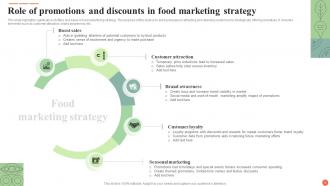
Oh dude, seasonal marketing is HUGE in food - like, it can literally save or tank your whole quarter. People's cravings totally flip with the weather, you know? Pumpkin spice when leaves fall, fresh stuff when it's hot, cozy comfort food when it's freezing. But it's way more than just flavors - their budgets change, they're hosting different parties, even how they cook shifts. Some brands make like 30-40% of their yearly sales just during holidays (wild, right?). You've gotta start planning campaigns at least 3 months out though, or you'll get stuck with crappy promo slots.
Honestly, influencers are like your shortcut to audiences you'd never reach otherwise. People trust creators they follow way more than regular ads - it's crazy how one TikTok can literally sell out a product overnight. I'd skip the big celebrities though and go for smaller food influencers instead. Their followers actually engage and buy stuff. The trick is finding creators who genuinely vibe with your brand values. Then just let them do their thing creatively - forced content always feels weird and doesn't convert as well.
-
Professionally designed slides with color coordinated themes and icons. Perfect for enhancing the style of the presentations.
-
Delighted to see unique and eye-catching PowerPoint designs that are so easy to customize.