


Global Alcohol Industry Outlook Powerpoint Presentation Slides IR SS




Try Before you Buy Download Free Sample Product
 Impress Your
 Audience
 100%
100% Editable
 Save Hours
 of Time


The worldwide alcohol market was valued at USD 1609 billion in 2023 and is expected to increase at a 5.42percent CAGR to reach 2325.1 billion by 2030. Our readily available and professionally designed Global Alcohol Industry Outlook PowerPoint Presentation provides detailed stats on the alcohol industry and its allied sectors. Additionally, our Alcohol Beverages Industry PPT includes market trends, key restraints, industry laws and regulations, and lucrative growth opportunities. It also includes a section for PESTEL analysis, SWOT analysis, risk assessment, COVID-19 and its impact. Lastly, our Wine Market Deck covers Porters framework, competitive landscape, outlook, and potential, which are some of the essential topics of the industry report. Download the Alcohol Industry PPT now.
People who downloaded this PowerPoint presentation also viewed the following :
Content of this Powerpoint Presentation
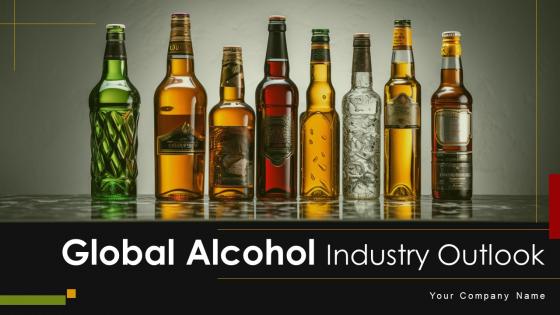
Slide 1: This slide introduces Global Alcohol Industry Outlook. State Your Company Name and begin.
Slide 2: This slide is an Agenda slide. State your agendas here.
Slide 3: This slide shows a Table of Contents for the presentation.
Slide 4: This slide is an introductory slide.
Slide 5: This slide represents key considerations and limitations while building the alcohol industry report.
Slide 6: This slide shows the overview of the alcohol industry report.
Slide 7: This slide provides a concise overview of the alcohol industry, serving as a valuable resource for industry professionals, investors, and policymakers.
Slide 8: This slide provides a glimpse of key highlights of the alcohol industry, enabling executives to grasp the main findings quickly.
Slide 9: This slide showcases the alcohol industry segmentation based on attributes such as type, distribution channel, alcohol content, and region.
Slide 10: This slide shows the alcohol industry segmentation based on attributes such as type, distribution channel, alcohol content, and region.
Slide 11: This slide is an introductory slide.
Slide 12: This slide highlights a comprehensive overview of the alcoholic beverages industry.
Slide 13: This slide illustrates a comprehensive overview of the alcoholic beverages industry.
Slide 14: This slide mentions a comprehensive overview of the alcoholic beverages industry.
Slide 15: This slide denotes a comprehensive overview of the alcoholic beverages industry.
Slide 16: This slide highlights a comprehensive overview of the alcoholic beverages industry.
Slide 17: This slide portrays a detailed overview of the alcohol industry.
Slide 18: The slide pertains to a detailed overview of the alcohol industry.
Slide 19: This slide presents a detailed overview of the alcohol industry.
Slide 20: This slide proclaims a detailed overview of the alcohol industry.
Slide 21: This slide enhances a detailed overview of the alcohol industry.
Slide 22: This slide contains the latest trends in the global alcohol industry.
Slide 23: This slide caters to the latest trends in the global alcohol industry.
Slide 24: This slide analyzes challenges facing alcohol industry.
Slide 25: This slide provides a comprehensive overview of the growth prospects in the alcohol market.
Slide 26: This slide contains a comprehensive overview of the growth prospects in the alcohol market.
Slide 27: This slide highlights the geographical summary of current state of alcohol industry.
Slide 28: This slide depicts the geographical summary of current state of alcohol industry.
Slide 29: This slide denotes the geographical summary of current state of alcohol industry.
Slide 30: This slide highlights the geographical summary of current state of alcohol industry.
Slide 31: This slide is an introductory slide.
Slide 32: This slide presents the key players in the alcohol industry.
Slide 33: This slide represents the key players in the alcohol industry.
Slide 34: This slide highlights recent news and developments of major key players in the alcohol industry.
Slide 35: This slide illustrates Gartner's magic quadrant framework for analyzing the competitive ability of alcohol companies.
Slide 36: This slide is an introductory slide.
Slide 37: This slide depicts PESTLE analysis which companies can use to evaluate the external factors that impact the industry's growth and profitability.
Slide 38: This slide denotes PESTLE analysis which companies can use to evaluate the external factors that impact the industry's growth and profitability.
Slide 39: This slide is an introductory slide.
Slide 40: This slide covers the alcohol industry's strengths, weaknesses, opportunities, and threats.
Slide 41: This slide is an introductory slide.
Slide 42: This slide mentions Porter’s framework and its implications in the alcohol industry.
Slide 43: This slide is an introductory slide.
Slide 44: This slide exhibits significant barriers to alcohol market entry, providing valuable insights for entrepreneurs, investors, and policymakers.
Slide 45: This slide exhibits significant barriers to alcohol market entry, providing valuable insights for entrepreneurs, investors, and policymakers.
Slide 46: This slide is an introductory slide.
Slide 47: This slide provides a comprehensive overview of the rules and regulations governing the alcohol industry.
Slide 48: This slide is an introductory slide.
Slide 49: This slide outlines CSR initiatives undertaken by the alcohol industry.
Slide 50: This slide is an introductory slide.
Slide 51: This slide represents a comprehensive analysis of the covid-19 impact on the alcohol industry.
Slide 52: This slide is an introductory slide.
Slide 53: This slide depicts risk assessment in alcohol industry.
Slide 54: This slide is an introductory slide.
Slide 55: This slide highlights the future outlook and potential for the alcohol industry.
Slide 56: This slide provides valuable recommendations and effective strategies for alcohol industry players to succeed in a dynamic and competitive market.
Slide 57: This slide is an introductory slide.
Slide 58: This slide gives the audience with a convenient reference by presenting a list of significant abbreviations often used in the tobacco business.
Slide 59: This slide shows all the icons included in the presentation.
Slide 60: This slide is titled Additional Slides for moving forward.
Slide 61: This slide is a financial slide. Show your finance-related stuff here.
Slide 62: This slide presents a Roadmap with additional text boxes.
Slide 63: This slide depicts a Venn diagram with text boxes.
Slide 64: This slide contains a Puzzle with related icons and text.
Slide 65: This slide provides a 30-60-90-day plan with text boxes.
Slide 66: This slide is a thank-you slide with address, contact numbers, and email address.
Global Alcohol Industry Outlook Powerpoint Presentation Slides IR SS with all 74 slides:
Use our Global Alcohol Industry Outlook Powerpoint Presentation Slides IR SS to effectively help you save your valuable time. They are readymade to fit into any presentation structure.










FAQs for Global Alcohol Industry Outlook Powerpoint Presentation
Key factors driving growth in the global alcohol industry include premiumization trends, expanding emerging markets, craft beverage innovation, e-commerce adoption, and demographic shifts toward experiential consumption. These drivers enhance market opportunities by diversifying product portfolios, reaching new consumer segments, and leveraging digital platforms, with many beverage companies finding that strategic positioning ultimately delivers increased revenue streams and competitive advantage.
Consumer behavior is evolving toward moderation, premiumization, and healthier alternatives, with many choosing low-alcohol, organic, and functional beverages over traditional options. This shift drives demand for craft spirits, wellness-infused products, and transparent labeling, while retailers increasingly stock health-conscious alternatives, ultimately delivering new market opportunities and enhanced customer loyalty.
COVID-19 significantly altered global alcohol consumption patterns, with on-premise sales plummeting while off-premise retail surged dramatically. The pandemic accelerated e-commerce adoption, shifted consumer preferences toward premium home consumption, and reshaped distribution strategies, with many breweries, distilleries, and wine producers pivoting to direct-to-consumer models, ultimately transforming traditional industry dynamics.
Craft breweries and distilleries are reshaping competition through product differentiation, local market focus, and direct consumer engagement, challenging traditional mass-market dominance. These smaller producers leverage artisanal quality, unique flavors, and community connections to capture premium segments, with many established companies responding by acquiring craft brands or developing their own boutique lines, ultimately driving industry-wide innovation.
E-commerce revolutionizes alcohol distribution by enabling direct-to-consumer sales, expanding market reach, and providing detailed consumer analytics. Through digital platforms, breweries, wineries, and distilleries bypass traditional retail channels, reduce distribution costs, and offer personalized experiences, with many finding that online sales significantly enhance customer engagement and revenue growth.
Emerging markets are reshaping the global alcohol landscape through rapid urbanization, growing middle-class populations, and evolving consumer preferences toward premium spirits and craft beverages. Countries like India, Brazil, and Southeast Asian nations are driving significant volume growth while demanding localized products, with many multinational brands finding that strategic partnerships and cultural adaptation ultimately deliver competitive advantage in these increasingly lucrative markets.
Regulatory challenges include varying taxation systems, advertising restrictions, distribution licensing requirements, labeling compliance standards, and cross-border trade barriers. These regulations differ significantly across regions, with European markets emphasizing consumer protection standards, Asian countries implementing strict import quotas, and North American jurisdictions focusing on age verification protocols, ultimately requiring strategic compliance frameworks for global market expansion.
Sustainability is reshaping alcohol production through water conservation technologies, renewable energy adoption, sustainable packaging solutions, organic ingredient sourcing, and carbon footprint reduction initiatives. Major brands like Diageo and Heineken are implementing circular economy practices, precision fermentation, and eco-friendly supply chains, ultimately delivering cost efficiencies and enhanced brand reputation while meeting increasingly environmentally conscious consumer expectations.
Packaging innovations include smart labels with QR codes and NFC technology, sustainable materials like plant-based bottles and biodegradable films, tamper-evident closures, lightweight glass alternatives, and premium unboxing experiences. These advancements streamline supply chains, enhance customer engagement, and reduce environmental impact, with many beverage companies finding that innovative packaging significantly boosts brand differentiation and consumer loyalty.
Alcohol brands leverage social media through influencer partnerships, interactive content creation, targeted demographic advertising, virtual tastings, and user-generated campaigns. These strategies enable brands to build authentic community engagement, showcase product experiences, and reach younger demographics while navigating advertising restrictions, with many distilleries and breweries finding that digital storytelling ultimately delivers stronger brand loyalty and expanded market reach.
Key demographic shifts impacting alcohol consumption include aging populations, changing ethnic compositions, urbanization patterns, generational preferences, and evolving income distributions. These demographic transformations drive alcohol companies to reformulate product portfolios, adjust marketing strategies, and explore new market segments, with many brewers and spirits manufacturers finding that premium offerings and health-conscious alternatives deliver stronger growth in shifting consumer landscapes.
Cultural differences significantly influence global alcohol preferences through regional traditions, religious practices, social customs, and local ingredient availability, creating distinct consumption patterns across markets. These cultural factors drive demand for specific products, with Asian markets increasingly favoring premium spirits and wine, European consumers maintaining traditional beer and wine preferences, and emerging markets blending local traditions with international brands, ultimately delivering diverse opportunities for strategic market positioning.
Premiumization represents consumers' shift toward higher-quality, expensive alcohol products, driving significant revenue growth despite declining overall consumption volumes. This trend enables brands to enhance profit margins, differentiate products through craft brewing and artisanal spirits, and capture affluent demographics, with many distilleries and wineries finding that premium positioning delivers sustainable competitive advantage in an increasingly crowded marketplace.
International trade policies significantly impact alcoholic beverage trade through tariffs, regulatory harmonization, bilateral agreements, and market access requirements that reshape global distribution channels. These policies enable exporters to access new markets while creating compliance challenges, with many wine producers finding European trade agreements streamline operations, and spirits manufacturers leveraging reduced tariffs to enhance competitiveness and expand international reach.
M&A risks in alcohol include regulatory complexities, brand integration challenges, cultural misalignment, and market concentration concerns that can trigger antitrust scrutiny. However, these transactions deliver significant opportunities through expanded distribution networks, enhanced portfolio diversification, cost synergies, and accelerated market entry, with many beverage companies finding that strategic acquisitions ultimately strengthen competitive positioning in increasingly consolidated global markets.
-
Great work on designing the presentation. I just loved it!
-
Great product with highly impressive and engaging designs.