


Hyperemesis Gravidarum PPT Template ACP





Try Before you Buy Download Free Sample Product
 Impress Your
 Audience
 100%
100% Editable
 Save Hours
 of Time


Discover our Hyperemesis Gravidarum PowerPoint Template, designed for healthcare professionals. This comprehensive deck features customizable slides, informative graphics, and evidence-based content to effectively present key concepts, treatment options, and patient care strategies. Elevate your presentations and enhance understanding of this challenging pregnancy condition with our expert-designed template.
People who downloaded this PowerPoint presentation also viewed the following :
Hyperemesis Gravidarum PPT Template ACP with all 38 slides:
Use our Hyperemesis Gravidarum PPT Template ACP to effectively help you save your valuable time. They are readymade to fit into any presentation structure.















FAQs for Hyperemesis Gravidarum
Oh man, hyperemesis gravidarum is brutal - it's like morning sickness but cranked up to 11. We're talking non-stop vomiting where you literally can't keep anything down, not even water sometimes. The weight loss is scary too, like 5% or more of what you weighed before getting pregnant. Regular morning sickness might make you feel gross for a bit, but this just never stops. Watch for the warning signs - vomiting several times a day, dropping weight, getting dizzy, dark pee from dehydration. Honestly, I've seen too many people told it's "just pregnancy" when they actually need real medical help.
Honestly, doctors still don't know exactly what causes hyperemesis gravidarum - which is kind of annoying when you're dealing with it. Those crazy hormone surges around 8-12 weeks are probably the main culprit, especially hCG and estrogen going haywire. Genetics definitely play a part too. Ask your mom or sisters if they had brutal morning sickness - there's usually a pattern. Some research points to H. pylori infections making things worse, plus thyroid issues can mess with you similarly. Your doctor should rule out other stuff first though, like gallbladder problems or UTIs, and run basic labs including thyroid function.
Oh man, that's rough stuff. Basically your body can't handle the constant puking - you'll get super dehydrated, lose weight, and your electrolytes go all wonky. Kidney issues can pop up too if it gets bad enough. The baby might not grow as well or could come early, though honestly they're tougher than you'd think. Both of you end up missing out on key nutrients. Don't mess around with this though - get to the doctor ASAP for IV fluids and anti-nausea meds before everything gets worse.
So first they'll try diet changes and that doxylamine/B6 combo - basically Unisom and vitamin B6. If that doesn't work, she'll probably get ondansetron or metoclopramide. Ginger supplements help some people too, worth a shot. The whole stepped approach feels painfully slow when you're puking constantly, but that's how they do it. Watch her weight closely though - if she drops more than 5% or starts showing ketones, they need to move faster. Severe cases might need steroids or even IV fluids in the hospital. Oh, and those acupressure bands? Some swear by them.
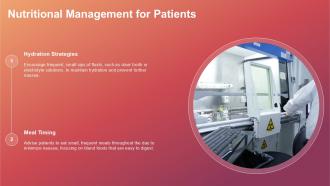
Start with literally anything she can keep down - crackers, ginger ale, whatever. I know it sounds backwards but forget "proper nutrition" for now. Small bites every hour work better than real meals. Cold stuff usually stays down easier than hot food, which is weird but true. Electrolytes are huge though, so push fluids when possible. My sister swore by ice chips during her bad weeks. Once the puking calms down you can add better foods back slowly. Don't fight her body - just work with what it'll accept right now.
Honestly, prenatals can make hyperemesis way worse at first - the iron is brutal on an already trashed stomach. I'd skip regular prenatals during the worst part and just do thiamine since all that puking can cause deficiency. Wait until she's keeping fluids down consistently before trying anything else. Then maybe switch to low-iron prenatals or even just folic acid by itself. Some people swear by gummy vitamins or the liquid ones (though those taste pretty awful imo). Don't force it though - making her sicker with vitamins defeats the whole purpose.
Having people in your corner is honestly a lifesaver with HG. They can handle the basics - groceries, cooking, watching kids, cleaning - when you're basically glued to the bathroom floor. Just having someone who gets how terrible you feel matters SO much, especially since doctors love to brush off HG as "normal morning sickness" (ugh). Your support people can also come to appointments with you, help research treatments, and keep you sane during the worst of it. Pro tip though: be super specific about what help you need instead of pretending you're okay when you're obviously dying.
Oh man, HG is brutal on mental health too. The constant nausea and puking can trigger serious anxiety and depression - some women even develop PTSD from how traumatic it gets. What's really rough is feeling guilty for not being a "glowing pregnant woman" like everyone expects. Stress makes the symptoms worse, which creates this vicious cycle. Definitely screen for mood issues early and maybe look into HG-specific support groups. Some pregnancy-safe antidepressants can help too. Honestly, the biggest thing is just validating that this isn't regular morning sickness - their pain is completely real and they're not being dramatic.
So there's no single test for hyperemesis gravidarum - doctors basically diagnose it by looking at your symptoms and ruling out other stuff first. They're checking for nausea/vomiting that won't quit past the first trimester, losing more than 5% of your pre-pregnancy weight, plus ketones in your urine and messed up electrolytes. It's annoying because they have to eliminate things like thyroid problems or UTIs before confirming it. Some doctors use scoring systems, but most just go with their gut honestly. The main thing? Get those electrolytes and ketones checked ASAP since dehydration can spiral fast.
Honestly, most people bounce back completely once they give birth - hormones drop and symptoms just disappear within a few weeks. It's horrible while you're going through it though! Some women do get weird lingering food aversions afterward, which is annoying. The scary part is when it gets really severe - all that puking can mess with your teeth and nutrition. But yeah, your body recovers pretty well overall. Just make sure your doctor's keeping an eye on things and follows up with you after delivery to catch any issues.
Honestly, the evidence is pretty weak since HG is just so brutal, but there are some things that might help. Small frequent meals work better - crackers, toast, boring stuff like that. Ginger tea or supplements can ease nausea a bit. For hydration, sip fluids between meals instead of during (weird but it works). Strong smells are the worst, so avoid those completely. Rest when you can. Look, these tweaks might give some relief but don't mess around - if symptoms get worse or stick around, get medical help immediately. HG isn't regular morning sickness.
So they'll basically be watching you like a hawk with weekly visits during the bad episodes. Weight checks every time, plus blood work to make sure you're not getting dangerously dehydrated or messing up your electrolytes. Standard ultrasounds unless baby's not growing well - which honestly makes sense if you can't keep food down for weeks. Labs are the usual suspects: CBC, metabolic panel, thyroid stuff. The thing is, this can go south pretty fast with ketosis or severe dehydration. They should give you clear guidelines on when to come in right away versus toughing it out until your next appointment.
Ugh, so many doctors still think HG is just dramatic morning sickness - drives me crazy. Start with your own colleagues, like when they dismiss patients who literally can't keep water down. Medical schools barely cover it properly, so push for better curriculum updates. Share real patient stories too, they're powerful. The HER Foundation has great materials you can get into OB offices and ERs. Healthcare conferences need actual HG sessions instead of just glossing over it. Honestly? Social media campaigns work surprisingly well since most people have no clue how severe it gets. Partner with advocacy groups - they're doing the heavy lifting already.
Ugh, HG is so weird - you literally can't predict what'll happen next time. I had a friend who barely survived it with her first kid, then her second pregnancy was totally fine. But then some women get the exact same nightmare every single time. The timing gets all wonky too. Maybe it hits earlier or drags on longer than before. Some notice patterns like it being worse with boys vs girls, but honestly? Your body just does whatever it wants. If you're thinking about another baby, definitely talk to your doctor beforehand about starting meds early - that can actually help a ton before things get brutal.
Ugh, the research gaps are SO annoying. Nobody really knows what causes HG - could be hormones, genetics, gut stuff, who knows? Diagnostic criteria are garbage too (like "severe nausea" tells us nothing useful). Most studies have maybe 20 people in them, which is ridiculous. And don't get me started on how they used to test treatments on men for women's conditions. The long-term effects? Basically unstudied. We need actual large-scale research that follows women for years, not just until delivery. It's wild how underfunded this area still is.
-
I was able to find the right choice of PPT template for my thesis with SlideTeam. Thank you for existing.
-
I looked at their huge selection of themes and designs. They appeared to be ideal for my profession. I'm sure I'll grab a few of them.