

 0 Comment
 Customer Reviews

Endometriosis, a multifaceted medical condition, often goes undiagnosed for years due to its overlapping symptoms. As a healthcare professional, educator, or individual seeking information, you play a crucial role in demystifying this condition. These templates are designed to help you outline the symptoms, causes, potential diagnostic tools, and treatment options in an easy-to-navigate format. The slides also include essential discussions related to chronic pelvic pain, a common presentation of endometrial tissue outside the uterus.
This blog outlines the essential signs and symptoms of endometriosis, including dysmenorrhea and dyspareunia, as well as gastrointestinal signs and symptoms such as bowel-related discomfort secondary to deep-infiltrating endometriosis or endometrial implants. The templates also provide a clear assessment for those with more severe cases to identify when a hysterectomy is appropriate when conservative treatment measures fail to resolve pain or heavy bleeding. These templates not only provide medical information but also offer useful summaries of treatment approaches. Whether you're preparing an awareness presentation, educational material, or a patient orientation, these templates will help you create a structured and clear understanding of this often misunderstood health condition.
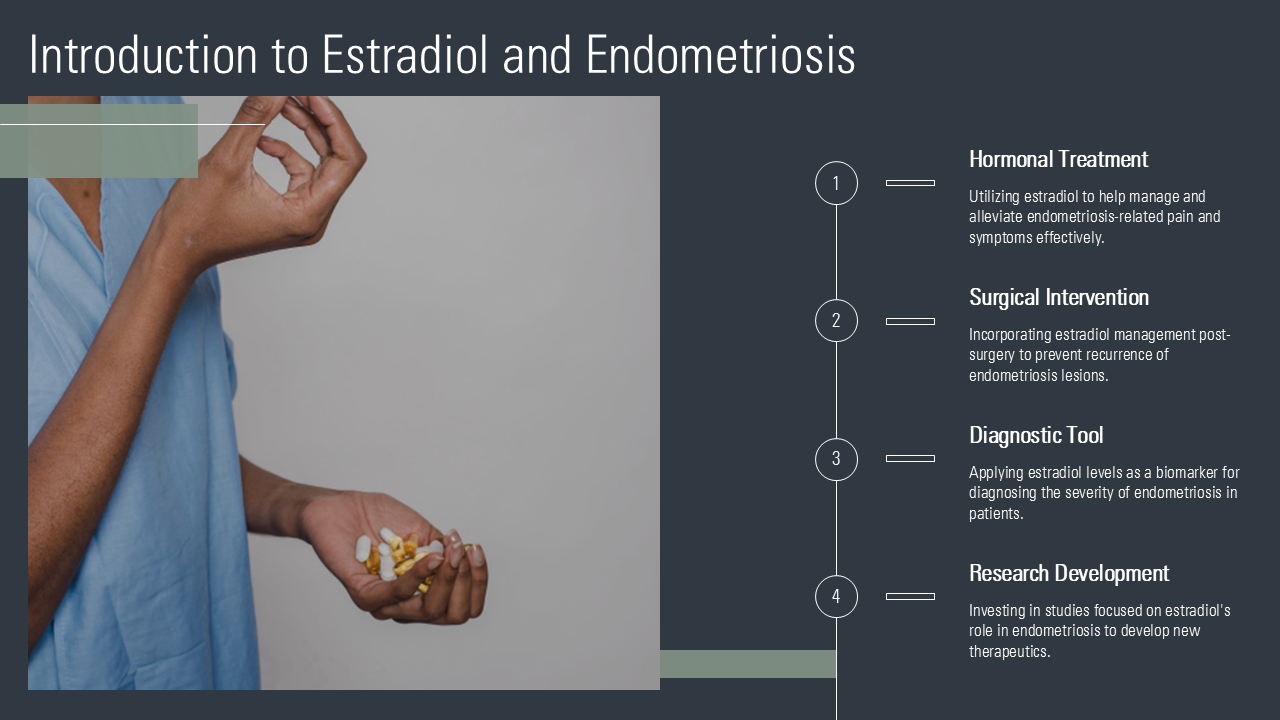
Template 1 - Introduction to Estradiol and Endometriosis Template
This template explains Endometriosis, a disease where endometrial tissue grows outside the uterus. It shows how this misplaced endometrial tissue functions like the standard endometrial lining, in that it thickens, breaks down, and bleeds every time a menstruation occurs, but it has no way to leave the body. This deck further notes contributing factors. For example, retrograde menstruation shows that the tissue may escape into the previously considered sterile environment (the abdominal cavity). Whether developing this deck for practicing healthcare professionals or general audiences, this slide can begin communicating the complexities of endometriosis in a more manageable, organized, and engaging manner, ensuring a user-friendly experience.
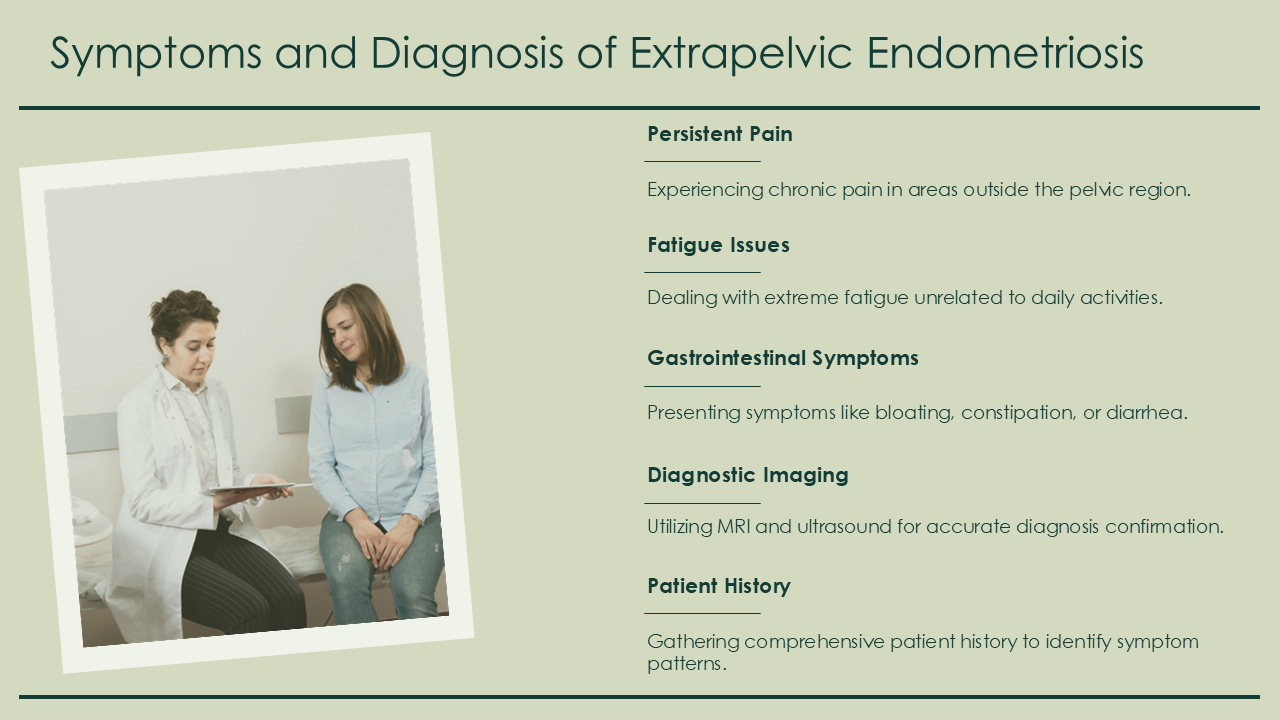
Template 2 - Symptoms and Diagnosis of Extrapelvic Endometrosis Template
This template provides a concise, straightforward summary of the symptoms and diagnostic techniques for Extrapelvic Endometriosis. The key symptom is chronic pain outside of the pelvis that may correlate with the spread of endometrial tissue far away from the pelvic region. Diagnostics such as MRI and ultrasound are used to identify endometrial implants, while the patient's history is prioritized to confirm patterns. This deck can help users gain an understanding of how patients may have vague and/or unrelated symptoms resulting from progesterone resistance, infertility, or ovarian cysts. Immune system factors may play a role in many of these conditions.
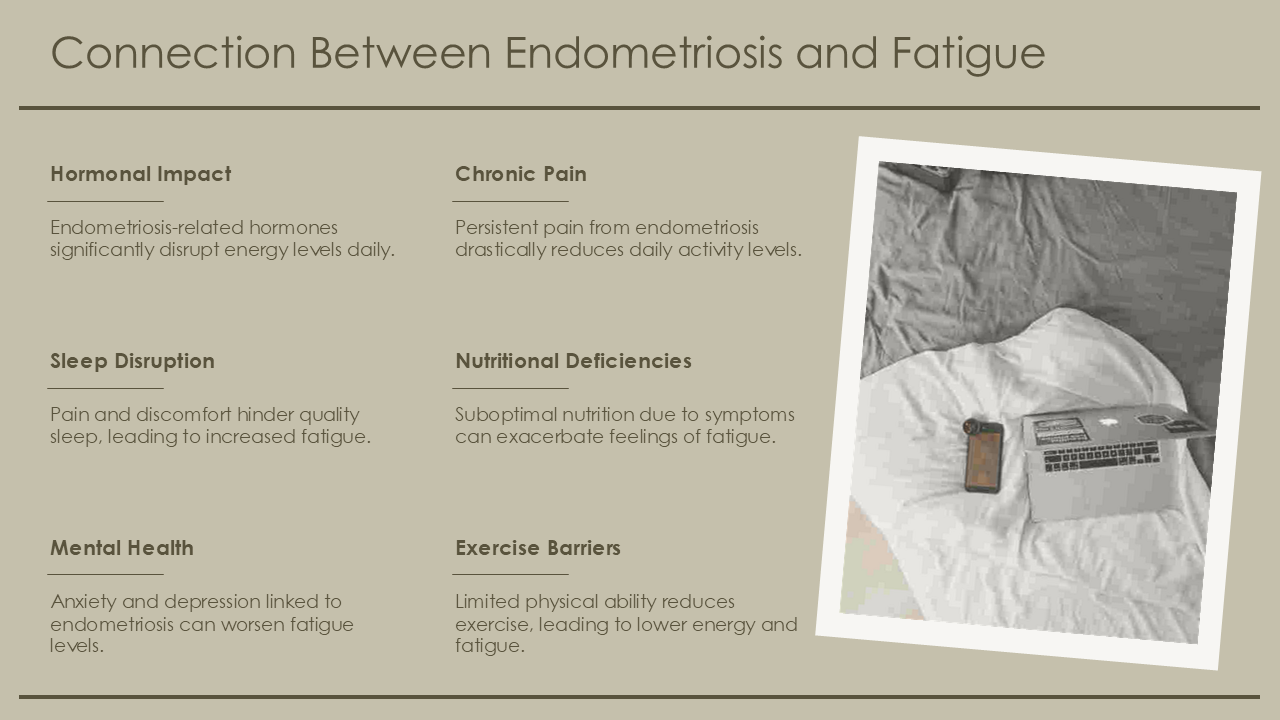
Template 3 - Connection Between Endometriosis and Fatigue Template
This PPT template investigates the relationship between endometriosis and fatigue by categorizing important contributing factors. The slide begins with hormonal imbalance and estrogen dominance having an impact on daily energy levels. Chronic pelvic pain that occurs as a result of misplaced endometrial tissue, or deep infiltrating endometriosis, is demonstrated to affect everyday activities. Pain is also tied to reduced sleep quality, thus contributing to fatigue during the day. Additionally, the template highlights poor nutrition associated with digestive symptoms, contributing to fatigue, particularly in those with adhesions or cysts on their ovaries. Mental well-being struggles, such as anxiety and depression, are included in the deck as fatigue-promoting factors, which are often related to progesterone resistance or infertility.
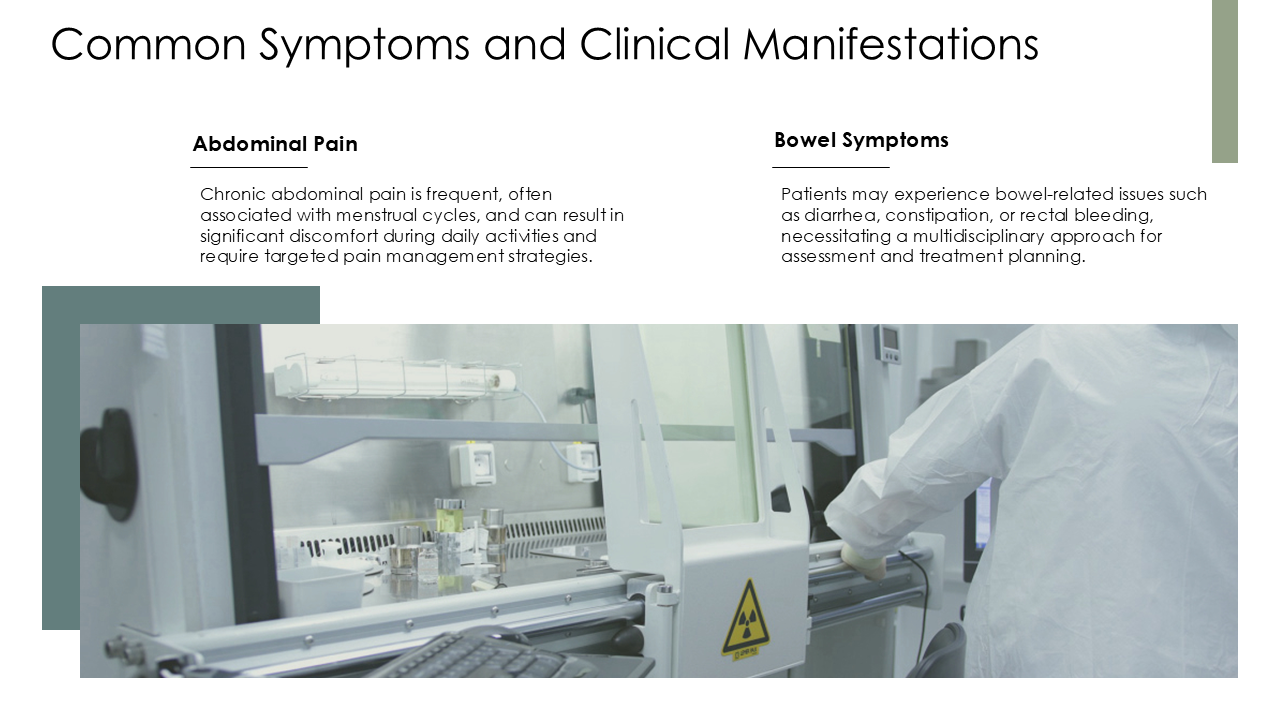
Template 4 - Common Symptoms and Clinical Manifestations of Gastrointestinal Endometriosis
This template features two significant presentations of gastrointestinal endometriosis: chronic abdominal pain and bowel-related symptoms. The slide indicates that chronic abdominal pain, very often correlated with the menstrual cycle, could be due to deep infiltrating endometriosis, inflamed endometrial implants, or some metabolically-influenced pain response. Chronic abdominal pain can be debilitating or significantly impact daily activities, and represents a potential hormonal imbalance or estrogen dominance. Bowel symptomatology, such as diarrhea, constipation, and rectal bleeding, would suggest the dissemination of endometrium beyond the confines of the uterus, potentially with adhesive involvement or retrograde menstruation. This slide will help guide your understanding of how those manifestations may need approaches involving multiple medical backgrounds for therapy, especially if infertility, ovarian cysts, or immunological involvement is present.
Template 5 - Role of Hereditary Factors in Endometriosis Template
This SWOT template primarily focuses on the involvement of hereditary factors in endometriosis. Strengths include the ability to use genetic research to identify risks and facilitate early diagnosis of issues like chronic pelvic pain, dysmenorrhea, and infertility. Weaknesses include unreliable testing options and limited knowledge of how genetics modulates endometrial tissue growth or inflammation. There are opportunities for developing therapies that may contribute to the treatment of deep-infiltrating endometriosis or estrogen dominance as a result of research partnerships. Threats include worries over genetic privacy and genetic information being misinterpreted, particularly in patients who are being evaluated for ovarian cysts, adhesions, or immunological factors associated with endometrial implants.

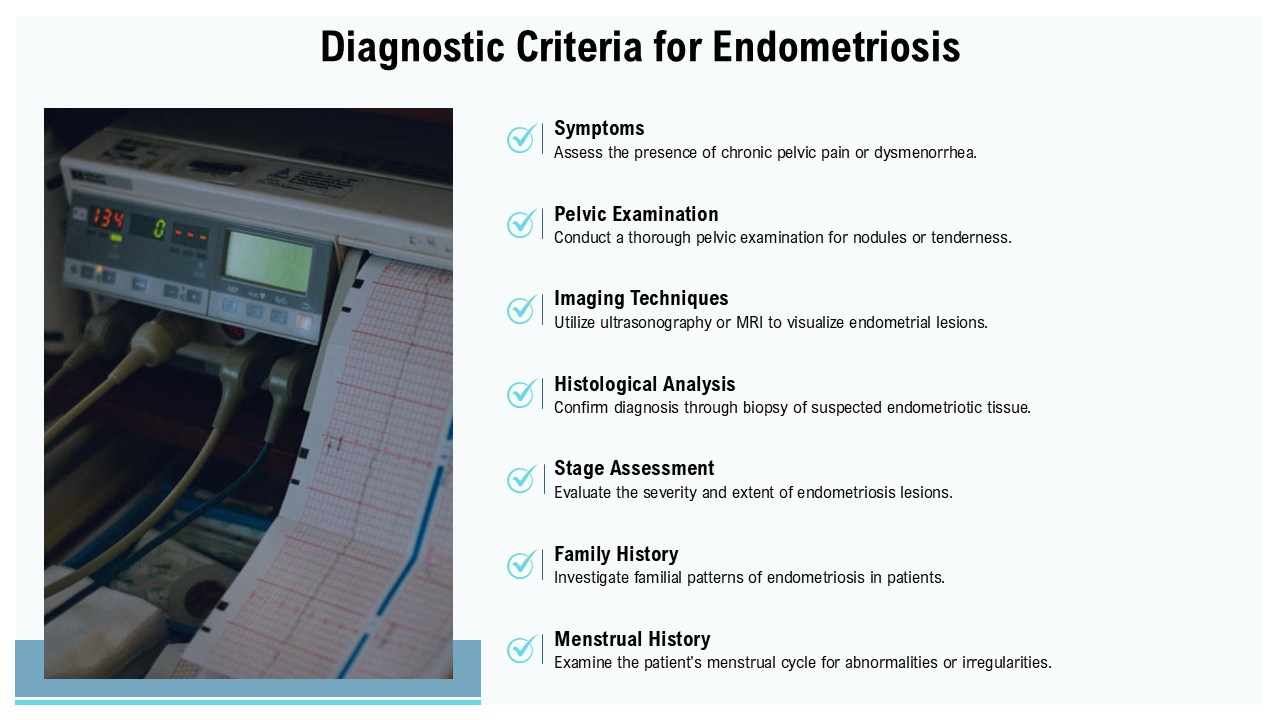
Template 6 - Diagnostic Criteria for Endometriosis Template
This slide presents key diagnostic criteria for endometriosis in an organized format. It begins with the history of symptoms, which include chronic pelvic pain or dysmenorrhea. A pelvic examination assesses nodules and/or tenderness, while imaging modalities such as MRI are valuable in assessing endometrial tissue and/or implants. Biopsy with histological diagnosis is used to confirm the diagnosis of inflammation and lesions. Staging can help assess the extent of the disease, including deep infiltrating endometriosis and/or adhesions. This deck shows how the menstrual history is reviewed as potential indicators of underlying conditions such as hormonal imbalance, retrograde menstruation, or progesterone resistance in patients.
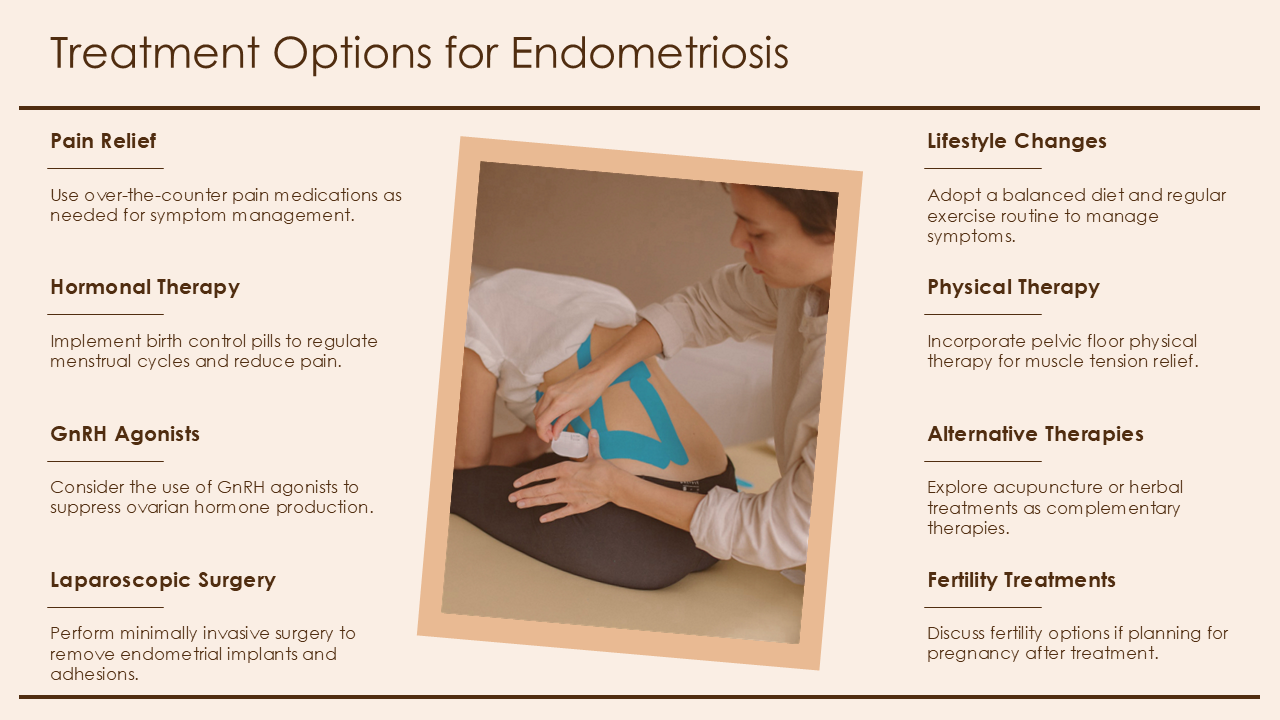
Template 7 - Treatment Options for Endometriosis Template
This slide shares treatment options for endometriosis, a chronic condition that causes pelvic pain and other symptoms. Pain control is offered using an over-the-counter pain-relieving medication, and hormonal therapy is advised for cycle regulation. In this treatment outline, GnRH agonists are advised to reduce estrogen dominance and hormone imbalance. Laparoscopy is included in the slide to remove endometrial implants and adhesions. The slide also discusses other alternative methods for symptom management, such as acupuncture. If a patient is facing fertility issues and has retrograde menstruation, ovarian cysts, or deep infiltrating endometriosis, fertility treatments are included in the treatment outline.
Template 8 - Indications for Hysterectomy in Endometriosis Template
This presentation slide outlines indications for hysterectomy for patients with endometriosis. The slide begins with chronic pelvic pain that is severe and has been unresponsive to other treatments. Infertility after a prolonged period with unsuccessful attempts to conceive is also listed in the template as an indication for hysterectomy, due to its association with adhesions, retrograde menstruation, or progesterone resistance. In cases of deep infiltrating endometriosis or with chronic inflammation, a hysterectomy would be a later option when other modalities, such as laparoscopy, are ineffective.

Template 9 - Natural Remedies and Alternative Therapies for Endometriosis Template
This slide presents holistic approaches and complementary strategies that aim to help alleviate symptoms of endometriosis. Acupuncture may be proposed to release pelvic tension and aid with pain associated with dysmenorrhea or dyspareunia. Mindfulness activities like yoga or meditation would be geared to decrease stress that could exacerbate immunological factors, adhesions, and even infertility. This holistic approach mentioned in the templates is sometimes used alongside conventional treatments and/or recovery post-laparoscopy to help them better manage their symptoms.

Template 10 - Diagnostic Tests and Procedures for Endometriosis Template
This presentation slide reviews critical diagnostic tests and procedures to diagnose endometriosis. Pelvic exams reveal any abnormal masses, whereas ultrasound allows visualization of ovarian cysts and the pelvic organs. The slide notes how MRI provides imaging detail regarding endometrial lesions, particularly in the case of deep infiltrating endometriosis. Laparoscopy continues to be a leading surgical option to assess endometrial tissue visually, findings suggesting adhesions, and evaluate endometrial implants. These referred assessments mentioned in the template can aid in referring for dysmenorrhea, dyspareunia, infertility, and/or to assess progesterone resistance.

Conclusion
The templates presented for endometriosis have provided a comprehensive overview of the condition, including symptoms like dysmenorrhea, dyspareunia, bowel issues, fatigue, etc. The diagnostic slides have described methods for early detection, including pelvic examination, ultrasound, MRI, CT scan, biopsy, and laparoscopy, which help to identify deep infiltrating endometriosis, ovarian cysts, and endometrial implants. Download these content-ready and custom-made Templates for better understanding of the diseases and treatments accordingly.