


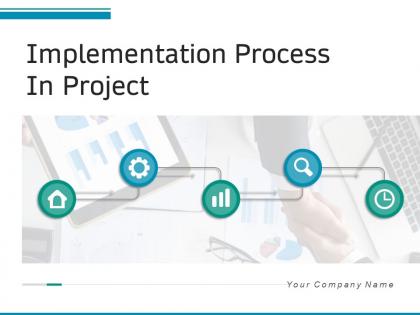
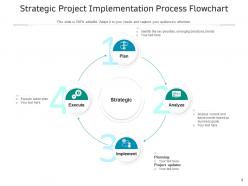
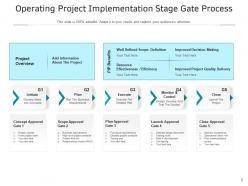
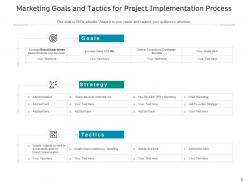
Implementation Process In Project Planning Analysis Flowchart Strategic Marketing




Try Before you Buy Download Free Sample Product
 Impress Your
 Audience
 100%
100% Editable
 Save Hours
 of Time


Our Implementation Process In Project Planning Analysis Flowchart Strategic Marketing are topically designed to provide an attractive backdrop to any subject. Use them to look like a presentation pro.
People who downloaded this PowerPoint presentation also viewed the following :
Implementation Process In Project Planning Analysis Flowchart Strategic Marketing with all 12 slides:
Use our Implementation Process In Project Planning Analysis Flowchart Strategic Marketing to effectively help you save your valuable time. They are readymade to fit into any presentation structure.
FAQs for Implementation Process In Project Planning Analysis
Start with figuring out who you're actually talking to - that's honestly the most important part. Then you need clear goals you can measure, your unique selling point, and a budget that won't make you cry. Don't forget to check what competitors are doing (I always skip this step and regret it later). Timeline-wise, be realistic - we're terrible at setting impossible deadlines for ourselves. Make sure everything connects though. Your messaging hits their pain points, channels reach the right people, metrics track stuff that matters for growth. Once you nail the target customer thing, everything else kinda falls into place.
Honestly, skip the basic demographics stuff - that's surface level. What you really want is to dig into psychographics and how people actually behave. Social listening tools are your friend here, see what potential customers are bitching about online or what gets them excited. Most companies (and I mean MOST) totally skip interviewing real customers and just make assumptions about buyer personas. Big mistake. Survey your existing customers about their actual pain points first. Also peek at your competitors' audiences but look for the gaps they're missing. Being hyper-specific beats trying to please everyone every time.
Look, market research is literally your safety net when you're planning campaigns. It shows you who's actually buying your stuff and why they care. Without it? You're basically throwing money at the wall and hoping something sticks - which honestly makes me anxious just thinking about it. Research helps you spot opportunities, see what competitors are doing wrong, and figure out which customers to go after. Even quick surveys or phone calls with existing customers can save you from launching something that totally bombs. Trust me, always test your gut feelings with real data first.
Honestly, just start measuring stuff instead of winging it. Analytics will show you which campaigns actually convert (not just look pretty). A/B test everything - subject lines, ads, whatever. I'm obsessed with social listening tools because they tell you what people really think about your brand, not what you hope they think. Marketing automation is clutch for nurturing leads systematically. Oh, and connect all your data sources so you can see the whole customer journey. Makes such a difference when you optimize based on real behavior instead of just guessing what works.
Track both leading stuff (brand awareness, website traffic, leads) and the actual money metrics - conversion rates, customer acquisition cost, lifetime value. Revenue attribution is clutch but honestly such a nightmare to set up right. I'd also watch engagement numbers like social shares and email opens. Here's the thing though - don't go crazy tracking everything. Pick maybe 5-7 metrics that actually matter for your goals. Otherwise you'll drown in data and lose focus on what's moving the needle.
So SWOT analysis basically maps out what you're good at vs what's working against you. Build your messaging around your strengths - like if your customer service rocks, make that front and center. Don't advertise your weak spots obviously, but figure out how to fix those gaps first. Here's the thing though - most people totally ignore the opportunities/threats section and that's honestly where the best insights hide. Those external factors show you perfect timing and what might blindside you later. Once you've got it all laid out, you'll know exactly which marketing moves are worth your time.
Dude, you've gotta start telling stories instead of just rattling off features. People remember narratives way better - like that story about your software helping some stressed-out business owner get their evenings back. That hits different than "improves efficiency by 40%," you know? Stories give you this backbone for everything too. Social posts, sales decks, whatever. I swear most B2B companies are missing out on this completely. Start collecting real customer stories first. Then build your whole content plan around those instead of boring product specs. Way more engaging.
Honestly? Get your product and marketing people in the same room weekly - not those useless quarterly meetings everyone hates. Marketing should be involved way earlier in product discovery so they actually get what problems you're solving. My old company totally bombed a launch because marketing got handed this "finished" thing with zero backstory. Set up shared metrics both teams have to hit together. Have marketing sit in on sprint reviews, and make sure your PMs know the buyer personas inside out. When your roadmap actually matches your go-to-market plan, that's when things click.
So competitive analysis is basically your cheat sheet for not screwing up. Look at what's already working in your space and find the gaps they're missing. You'll see their pricing, how they talk to customers, which platforms they're killing it on. Honestly, customer reviews are gold for this stuff. Instead of just winging your positioning and pricing, you actually know what you're up against. I'd start with maybe 3-5 direct competitors - check their websites, social media, the whole deal. It's way better than launching blind and hoping for the best.
Dude, AI personalization is getting freaky good - like it knows what I want before I do. Everyone's talking to their phones now, so voice search optimization is clutch. Micro-influencers are killing it way more than the big names because they actually feel real. Sustainability stuff isn't optional anymore either. People expect it. Real-time social listening beats old-school ads every time - it's all about building actual relationships instead of just selling crap. Oh, and communities are where it's at now. Start by checking what personalization you're already doing, then make everything sound less like a robot wrote it.
Honestly, social media is where your audience already spends their time anyway, so might as well meet them there. You can actually talk to people instead of just shouting into the void like traditional ads. The targeting is pretty wild now too - you can get super specific about who sees your stuff based on their interests and behavior. Building real relationships matters way more than just posting constantly. Pick maybe two platforms max where your people actually hang out and focus there first. Otherwise you'll spread yourself too thin. Real-time feedback is clutch for figuring out what actually works versus what you think works.
Honestly, resource constraints are probably gonna be your biggest headache - plus getting everyone on the same page vision-wise. People hate changing how they've always done things, and don't even get me started on office politics sabotaging good ideas. ROI measurement is tricky too since strategic stuff takes forever to show results. Oh, and markets shift constantly so you need flexibility baked in. Start small with pilots you can actually measure - way easier to convince people when you've got solid data. Much better than trying to overhaul everything at once.
Honestly, track what people actually DO, not what they tell you. Website data, social stuff, buying patterns - that's where the real story is. Companies get stuck running the same old campaigns while everyone's moved to TikTok or whatever. Test new channels cheap first before you blow your budget. Oh, and survey your customers regularly about what's bugging them. I'd do monthly team reviews of all this data. Sounds boring but it works. You'll catch shifts way earlier than your competitors.
Honestly, branding is like your marketing foundation - everything else builds from there. It's who you are and what you stand for, which then shapes your messaging and where you show up. Without it? You're just randomly trying stuff and hoping it works (trust me, I've watched companies do this). Your brand should be the thing that guides every campaign and partnership decision. Oh, and customers need to actually *feel* something about your brand too. Start with nailing your positioning first. Then let that drive everything else you do marketing-wise.
So here's the thing - when you get different teams involved in your marketing planning, you actually end up with way better strategies. Sales people know exactly what objections come up. Customer service hears all the complaints (trust me, they have stories). Product teams can tell you what's coming down the pipeline. Even finance has useful input, weirdly enough. When everyone helps create the plan, they're not gonna fight you on executing it later. Try inviting just one person from each department to your next strategy meeting. You'll be surprised how much you don't know about your own customers.
-
Design layout is very impressive.
-
Great designs, really helpful.
-
Excellent work done on template design and graphics.
-
Perfect template with attractive color combination.
-
Awesomely designed templates, Easy to understand.