


Implementation Status Powerpoint Ppt Template Bundles




Try Before you Buy Download Free Sample Product
 Impress Your
 Audience
 100%
100% Editable
 Save Hours
 of Time


Our Implementation Status Powerpoint Ppt Template Bundles are topically designed to provide an attractive backdrop to any subject. Use them to look like a presentation pro.
People who downloaded this PowerPoint presentation also viewed the following :
Implementation Status Powerpoint Ppt Template Bundles with all 17 slides:
Use our Implementation Status Powerpoint Ppt Template Bundles to effectively help you save your valuable time. They are readymade to fit into any presentation structure.






FAQs for Implementation Status Powerpoint
Track 4-5 key things max, or you'll drown in data. Timeline's obviously huge - are you actually hitting milestones? Budget burn rate vs what you're delivering is critical too. Don't forget resource utilization across your team. Quality stuff like defect rates matter, though I sometimes think stakeholder happiness tells you more than spreadsheets do. Pick metrics that actually matter for YOUR project type - there's no one-size-fits-all here. Start with those basics, then maybe add one or two custom ones based on what success looks like. Keep it simple though.
Stakeholders basically control how you track everything - they decide what metrics you focus on and how often they want updates. Some love detailed dashboards, others just want a quick email summary. The annoying part? Different stakeholders always want totally different levels of detail, which is honestly a pain. Their schedules also mess with your timeline since you're waiting on their reviews and approvals for milestones. Oh, and their communication styles vary wildly too. Best thing you can do is figure out what each person actually wants upfront and build a plan around that. Saves you so much headache later when you're not scrambling to reformat reports for everyone.
Honestly, you've got tons of options here. Asana, Monday.com, and Jira are solid for tracking tasks in real-time. Tableau and Power BI create those flashy dashboards that higher-ups eat up. If it's more technical stuff, New Relic or Datadog will monitor system performance and deployments really well. But here's the thing - whatever your team already knows inside and out is probably your best bet to start with. You can always layer on fancier monitoring later. The biggest pain point I've seen? Teams picking something complex that nobody bothers updating. Choose whatever people will actually use consistently, even if it's not the sexiest option.
Weekly reports work best when you're actively rolling stuff out. Once things settle down, bi-weekly or monthly is fine. Honestly, I'd rather over-communicate at first than miss something important. Complex or risky implementations? Maybe check in twice a week initially - sounds like overkill but trust me on this. You can always pull back once everyone's comfortable. For maintenance phases, monthly works totally fine. Just match your frequency to how quickly things could blow up in your environment. Start more frequent than feels necessary, then scale back as you figure out what actually works for your team.
Honestly, the worst part is dealing with crappy data - half of it's outdated or just plain missing. Everyone's gonna tell you different versions of what's "actually" happening too. Status reports are basically fiction most of the time since people always think they're further along than they really are. Plus teams don't talk to each other, so good luck getting the real picture. Oh, and nobody wants to admit when they're short on resources, which totally screws up your timelines. Best thing you can do? Talk directly to the people actually doing the work, not their managers. Cross-check everything.
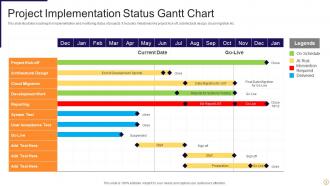
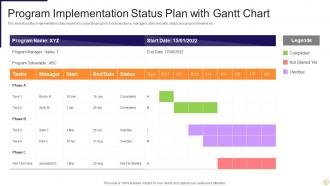
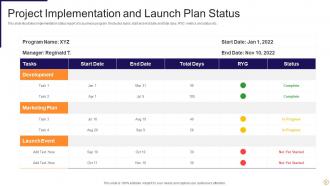
Dude, visual aids are seriously a game-changer for status updates. Nobody wants to sit through someone reading bullet points - I've been there, it's painful. Try Gantt charts or those simple red/yellow/green boards instead. Progress bars work great too. People actually get it when they can see completion percentages or milestone markers at a glance. Before/after screenshots are clutch if you're doing system stuff. Your team will actually know what's happening and what's next. Honestly, just pick one visual for your next update and watch everyone suddenly pay attention.
Feedback is your reality check - shows you if your project actually works or just looks pretty on paper. Your users, team, and stakeholders will tell you where you're missing the mark between what you planned and what's really happening. Yeah, sometimes it hurts to hear, but honestly? That's when feedback is most useful. Build regular check-ins so you can adjust timelines, switch priorities, or completely change direction if needed. Way better to catch problems early than scramble to fix everything at the last minute when it's basically impossible.
Oh man, culture stuff can totally make or break your timeline. Asian markets? You'll be waiting forever for approvals - like, so many layers - but once you get buy-in, you're golden. Flatter orgs seem quick at first then BAM, resistance hits because someone wasn't looped in. Also watch the communication thing. Direct cultures will tell you straight up when something sucks, which is honestly refreshing. But indirect ones? They'll nod along then everything blows up later. Definitely worth mapping out their norms first and tweaking your approach.
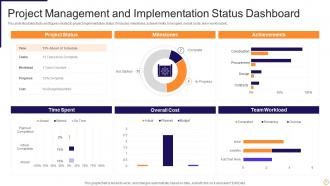
Dude, skip the techy stuff and show them results. Those visual progress bars? Gold. Stakeholders eat up pie charts and green checkmarks - honestly it's kinda funny how much they love that stuff. Don't say "refactored authentication module." Say "made logins faster and more secure." Week by week updates work best, just keep them short. Always tie what you're doing back to their actual deadlines. The real trick? Beat them to it. Send updates before they ask. Trust me, being proactive saves so much hassle later. Set up those weekly check-ins ASAP.
Dig into those old post-mortems and figure out what red flags you totally missed. Scope creep, team bottlenecks, stakeholders going radio silent - we've all watched "green" projects crash overnight. Build those hard lessons into your current checkpoints instead of just tracking progress percentages (which honestly tell you nothing useful). Create specific questions based on your past disasters. Like if communication always falls apart in week 3, check in differently that week. Don't just hope it won't happen again. Turn those painful lessons into actual early warning systems you'll actually use.
Honestly, buffer time is your best friend here - stuff ALWAYS takes longer than you think. Map out your biggest dependencies now and have backup plans ready. I'd also set up weekly check-ins to catch problems early before they blow up everything. The communication piece is huge too - you want issues coming to light fast, not hiding until it's too late. Oh, and assign someone to actually watch each risk factor. Sounds obvious but people forget that part. Start with identifying your worst-case scenarios this week and work backwards from there.
Honestly, it's all over the place depending on your industry. Healthcare moves super slow - we're talking 2-3 years behind tech companies because of all the regulatory hoops and ancient systems they're stuck with. Tech companies? They can flip a switch tomorrow if they want since that's literally how they're designed to work. Finance is... somewhere in between, which probably surprises no one. The real difference is how much risk each industry can handle. Tech lives by that "move fast and break things" motto, but healthcare puts patient safety first every single time. Smart move, honestly. Factor in your industry's usual speed when you're planning timelines.
Honestly, get a good collaboration tool and you'll stop drowning in status update emails. I'm talking Slack, Asana, Monday - whatever your team will actually stick with (that's the hard part). You can see who's doing what without sending those awkward "sooo what's happening with..." texts. Everything updates automatically in one place. No more hunting through message threads to figure out if something's done or stuck. The trick is getting everyone to use it consistently - and yeah, set up your workflows right from the start or it'll be chaos.
Look, you gotta connect your project updates to what the company actually cares about - otherwise you're just throwing money at random stuff. Smart resource decisions happen when your status reports show how you're hitting those big strategic targets. Leadership needs to see the business impact, not just "we shipped some code" (learned this the hard way). Way too many good teams get axed because they can't explain why their work matters to revenue or growth. Short version: regularly show how your progress maps back to company goals. Trust me on this one.
Honestly? Just pick a schedule and stick to it - weekly updates work great. Always hit three things: what you finished, what's stuck, and realistic deadlines for what's next. Don't say "almost done" for weeks like I did once, super awkward. The trick is updating them before they ask. I swear, proactive communication saves so much headache. Maybe throw together a quick dashboard or shared doc they can peek at whenever? That way you won't get bombarded with "how's it looking?" texts every other day.
-
Eye-catching PPT designs, outstanding team, and best customer service. I’m a super satisfied customer here!
-
What a stunning collection of customizable templates! Really a time-saver..