


Implementing platform business model in the company powerpoint presentation slides




Try Before you Buy Download Free Sample Product
 Impress Your
 Audience
 100%
100% Editable
 Save Hours
 of Time


Platform company is a business model that focuses on assisting in facilitating interactions among a large number of people. It aids in the connection of buyers and sellers through the formation of social relationships, cooperation to achieve a common goal, or continuous efforts to enhance participants performance by assisting them in learning faster together. Check out our professionally designed template on Implementing Platform Business Model in the Company that focuses on current state analysis, linear model, average cost curve, increasing costs, etc., and different business models offered in the industry. Its role is to provide a governance structure, standards, and protocols that facilitate large-scale interactions so network effects can be unleashed. We have focused on the platform business model, which covers the benefits, canvas model, components, main types, and categorization. The 5 step process focuses on environment scan, ideation phase, value proposition, service design, strategy, costs, valuation, and implementation plan. Get access to this 100 percent editable template now.
People who downloaded this PowerPoint presentation also viewed the following :
Content of this Powerpoint Presentation
Slide 1: This slide introduces Implementing Platform Business Model in the Company. State Your Company Name and begin.
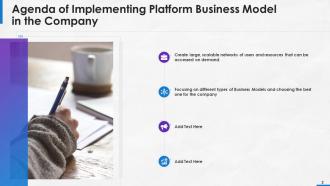
Slide 2: This slide shows Agenda of Implementing Platform Business Model in the Company.
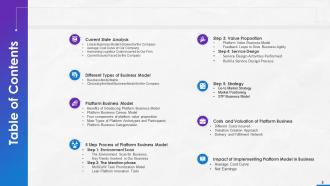
Slide 3: This slide presents Table of Content for the presentation.
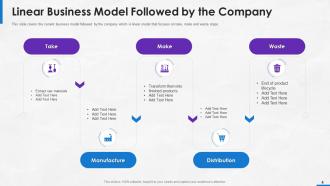
Slide 4: This slide displays Linear Business Model Followed by the Company.
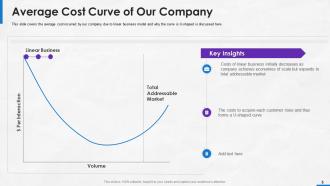
Slide 5: This slide represents average cost incurred by our company due to linear business model.
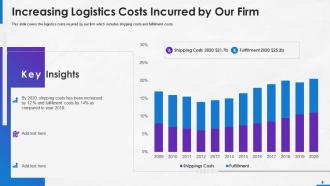
Slide 6: This slide showcases logistics costs incurred by our firm which includes shipping costs and fulfillment costs.
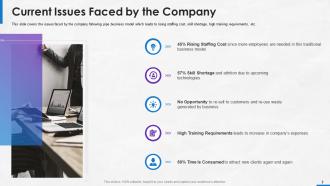
Slide 7: This slide shows issues faced by the company following pipe business model.
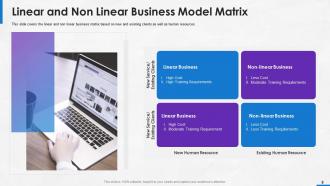
Slide 8: This slide presents linear and non linear business matrix based on new and existing clients.
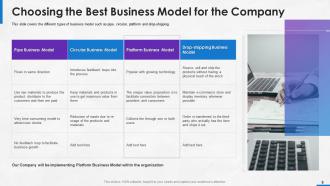
Slide 9: This slide displays Choosing the best business model for the company.
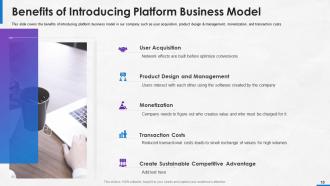
Slide 10: This slide represents benefits of introducing platform business model.
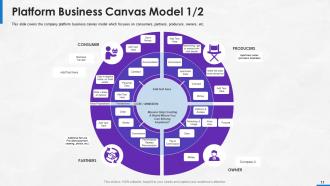
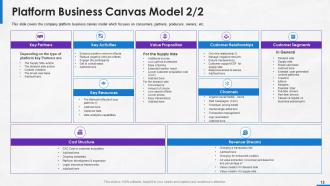
Slide 11: This slide showcases company platform business canvas model which focuses on consumers, partners, producers, etc.
Slide 12: This slide shows company platform business canvas model.
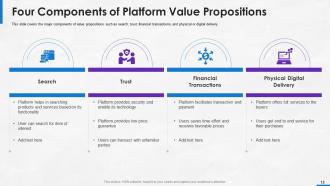
Slide 13: This slide presents Four Components of Platform Value Propositions.
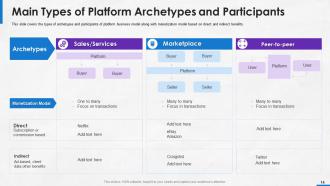
Slide 14: This slide displays Main Types of Platform Archetypes and Participants.
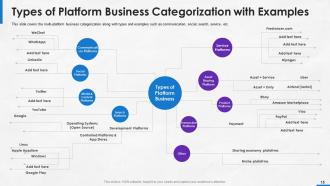
Slide 15: This slide represents Types of Platform Business Categorization with Examples.
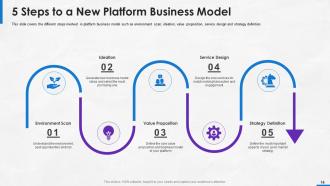
Slide 16: This slide showcases different steps involved in platform business model such as environment scan, ideation, etc.
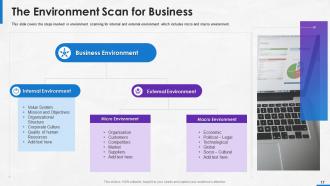
Slide 17: This slide shows steps involved in environment scanning for internal and external environment.
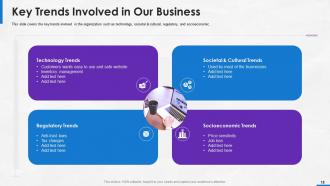
Slide 18: This slide presents key trends involved in the organization such as technology, societal & cultural, etc.
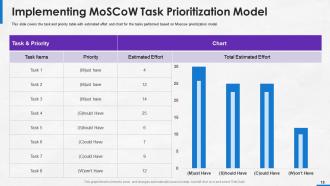
Slide 19: This slide displays task and priority table with estimated effort and chart for the tasks performed.
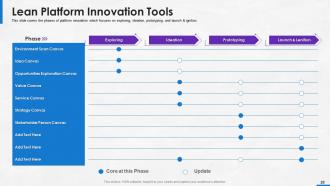
Slide 20: This slide represents phases of platform innovation which focuses on exploring, ideation, etc.
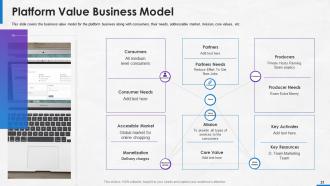
Slide 21: This slide showcases business value model for the platform business along with consumers, their needs, etc.
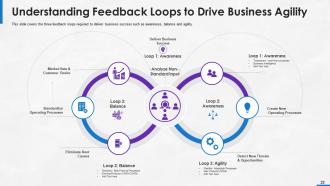
Slide 22: This slide shows Understanding Feedback Loops to Drive Business Agility.
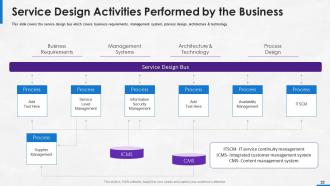
Slide 23: This slide presents Service Design Activities Performed by the Business.
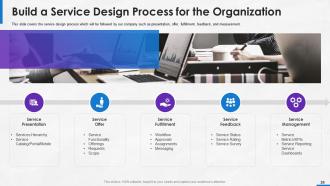
Slide 24: This slide displays service design process which will be followed by our company such as presentation, offer, etc.
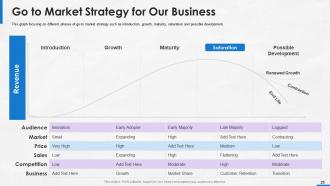
Slide 25: This slide represents phases of go-to market strategy such as introduction, growth, maturity, etc.
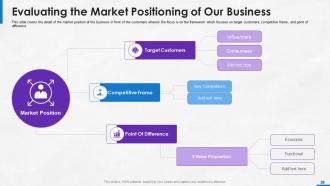
Slide 26: This slide showcases detail of the market position of the business in front of the customers.
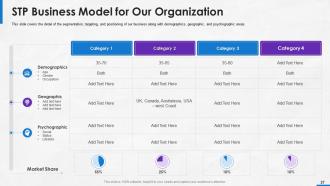
Slide 27: This slide shows detail of the segmentation, targeting, and positioning of our business.
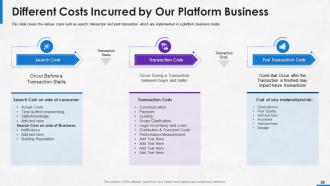
Slide 28: This slide presents Different Costs Incurred by Our Platform Business.
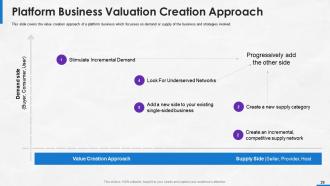
Slide 29: This slide displays value creation approach of a platform business which focusses on demand or supply.
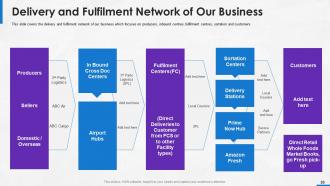
Slide 30: This slide represents delivery and fulfilment network of our business which focuses on producers, inbound centres, etc.
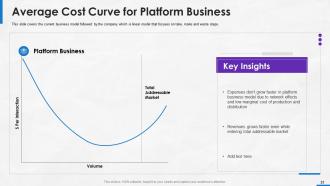
Slide 31: This slide showcases inear model that focuses on take, make and waste steps.
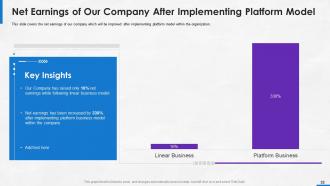
Slide 32: This slide shows Net Earnings of Our Company After Implementing Platform Model.
Slide 33: This slide shows Icons for Implementing Platform Business Model in the Company.
Slide 34: This slide is titled as Additional Slides for moving forward.
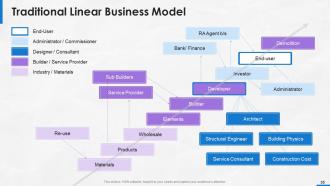
Slide 35: This slide shows Traditional Linear Business Model with related imagery.
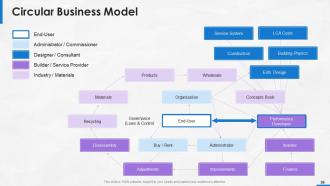
Slide 36: This slide presents Circular Business Model with related icons and text.
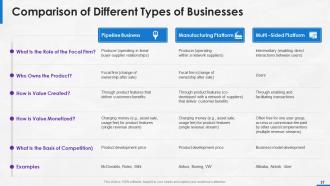
Slide 37: This slide displays Comparison of Different Types of Businesses.
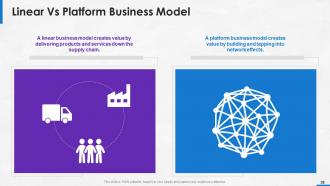
Slide 38: This slide represents Linear Vs Platform Business Model.
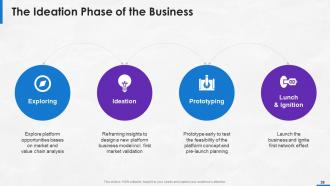
Slide 39: This slide showcases The Ideation Phase of the Business.
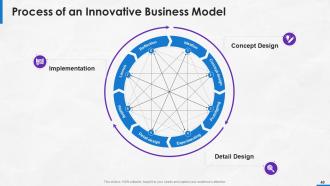
Slide 40: This slide shows Process of an Innovative Business Model.
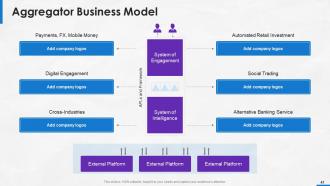
Slide 41: This slide presents Aggregator Business Model with additional textboxes.
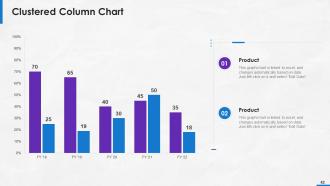
Slide 42: This slide displays Clustered Column Chart with two products comparison.
Slide 43: This slide represents Puzzle with related icons and text.
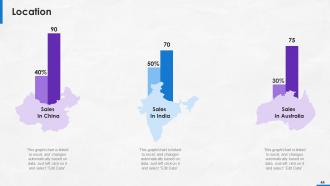
Slide 44: This is a Location slide with maps to show data related with different locations.
Slide 45: This slide shows 30 60 90 Days Plan with text boxes.
Slide 46: This is Our Goal slide. State your firm's goals here.
Slide 47: This is a Timeline slide. Show data related to time intervals here.
Slide 48: This slide shows Post It Notes. Post your important notes here.
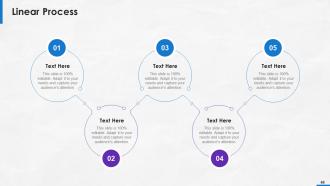
Slide 49: This slide presents Linear Process with related icons and text.
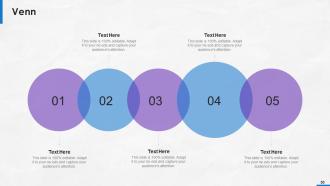
Slide 50: This slide displays Venn diagram with text boxes.
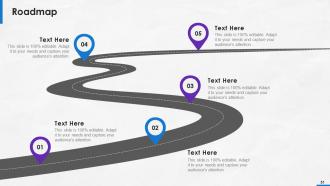
Slide 51: This slide represents Roadmap with additional textboxes.
Slide 52: This is a Thank You slide with address, contact numbers and email address.
Implementing platform business model in the company powerpoint presentation slides with all 60 slides:
Use our Implementing Platform Business Model In The Company Powerpoint Presentation Slides to effectively help you save your valuable time. They are readymade to fit into any presentation structure.










FAQs for Implementing platform business model in the company
So basically, instead of making stuff and selling it, platforms just connect people who need each other. Think Uber - they don't own cars, they just match drivers with riders. Same with Amazon connecting sellers to buyers. The cool part? More users actually make it MORE valuable for everyone (network effects and all that). You're not dealing with manufacturing costs either, which is honestly pretty sweet. Plus you get tons of data from all these interactions happening on your platform. It's like being a really profitable matchmaker, but you don't have to worry about inventory or supply chains.
Think of platforms as the friend who's really good at introductions. Service providers get instant access to tons of customers without building their own marketing from scratch - like how Uber drivers tap into millions of riders right away. Customers get more options, better prices, and way more convenience. The platform does all the annoying backend stuff - payments, reviews, handling complaints when things go sideways. Here's the cool part: once you hit that sweet spot, more providers bring more customers, which attracts even more providers. It becomes this self-feeding cycle. Look for two groups who need each other but can't easily connect.
Don't try to beat Facebook at their own game - that's suicide. Find a specific problem the big guys are ignoring and own that space completely. Start with one type of user first, maybe a community that's underserved. Get them hooked before worrying about the other side. I've seen too many people launch "two-sided" from day one and crash hard. Partner up early or do integrations to get your first users. Nobody's just gonna stumble onto your platform organically anymore - those days are long gone. Once you've got solid momentum with one group, attracting buyers/sellers/whatever becomes way easier since there's actually something there.
Dude, user-generated content is literally what makes or breaks these platforms. Facebook, YouTube, Yelp - they'd all be dead without people posting stuff. The crazy part? You're getting free content while users do all the work. More quality posts = more people want to join, which creates this snowball effect where growth just takes off. Honestly, I think most companies underestimate how powerful this is. You just gotta make it dead simple for people to contribute and give them actual reasons to stick around. That's basically the whole playbook right there.
So network effects are what make platform businesses crazy scalable. More users on one side = way more valuable for the other side. Uber's the perfect example - drivers bring riders, riders bring more drivers. It snowballs from there. Once you hit that sweet spot of critical mass, growth basically happens on its own without your costs exploding. The platform starts selling itself because it's just more useful. Honestly, it's probably the closest thing to a business cheat code that exists. Just gotta nail that initial user base first - that's the tricky part.
So first thing - get solid ID verification and clear rules set up. Rating systems help a ton too. For content, mix automated filters with actual humans reviewing stuff (trust me, bots miss a lot of nuance). If there's payments involved, don't cheap out on security - sketchy transactions will tank your reputation instantly. Dispute resolution is boring but necessary. The biggest mistake? Waiting until things go sideways to fix problems. Build this trust stuff right into the platform from the start, not when you're already dealing with angry users.
Focus on network effects, engagement, and monetization - those are your big three. Monthly active users on both sides, transaction volume, daily/weekly active ratios. Stickiness is everything here. How long do people stay? Do they come back? Time to first "aha moment" matters way more than you'd think. Your take rate directly hits revenue, so watch that like a hawk. Honestly, most people get sucked into vanity metrics that look impressive but don't mean anything. Pick maybe 3-5 KPIs that actually matter for your platform and obsess over those. Don't try tracking everything - you'll just confuse yourself.
Honestly, the toughest part is juggling supply and demand as you grow. Too many sellers, not enough buyers? Dead platform. Network effects get weird at scale too. You can't personally check every new user like when you started with 50 people, so trust becomes this massive headache. Plus once you prove the concept actually works, competitors start crawling out of everywhere. My advice? Set up your moderation tools and community rules way before you think you need them. Don't wait until you're drowning in bad actors and spam - learned that one the hard way.
Think of your platform as this constant balancing act between what buyers and sellers actually want. Buyers care about selection, quality, decent prices. Sellers want visibility, fair fees, getting paid reliably. Design stuff that helps both sides when possible - like search algorithms that let buyers find things easily while boosting good sellers. Sometimes you'll have to pick a side temporarily (fee changes are always messy), but just be upfront about why. Honestly, transparency fixes most complaints before they blow up. Keep tracking how happy both groups are and tweak things when it gets too one-sided.
Focus on network effects - stuff that gets better with more users, like how LinkedIn connections or Uber's driver pool works. Make switching painful by getting deep into people's workflows and holding their data/history hostage (sounds harsh but it's true). The stickiest platforms are honestly the ones you can't leave without losing everything. Keep shipping features that actually matter. Oh and don't sleep on community - when users feel invested in the culture, they won't bounce. Your goal is making competitors look like they're starting over while you're already three steps ahead.
Dude, regulatory stuff is brutal for platform companies - it completely flips how they operate. Finance platforms get wrecked by banking laws that can shut down payment features instantly. HIPAA makes healthcare platforms jump through crazy hoops for data sharing (the paperwork is genuinely ridiculous). Uber's always fighting local licensing drama. Social media companies are now spending millions just on content moderation requirements. Honestly, the smart move is baking compliance into your platform from the start. Don't wait until regulators show up at your door - that's when things get expensive fast.
Honestly, platform businesses are tricky because you're sitting in the middle collecting crazy amounts of data from everyone using your marketplace. People share way more than they realize - buying habits, browsing patterns, all their preferences. The worst part? Most users have no clue how deep that data collection goes or how you're using it across different parts of your platform. Then you've got algorithmic bias screwing with your matching and ranking systems. My take: just be upfront about what you're doing with people's info from day one. Give them actual control too, not those useless privacy settings buried somewhere nobody can find.
Honestly, there's tons you can do with AI for marketplace stuff. Personalized recommendations work great - like how Netflix knows I'll binge terrible reality shows. Chatbots handle basic customer support pretty well these days. Dynamic pricing algorithms are huge too (think Uber surge pricing). Fraud detection is probably more important than people realize. Content moderation saves you from manually reviewing everything. Oh, and predictive analytics can help you figure out what users want before they do. My advice? Pick one thing that'll actually make users happier and start there. Don't try to do everything at once - you'll just end up with mediocre results across the board.
Dude, branding is huge for platforms. You're basically asking random people to trust each other through your site, which is kinda insane when you think about it. Look at Airbnb - they nailed that "belong anywhere" thing so people actually felt okay crashing at strangers' places. Wild, right? Trust is everything here. Your brand needs to work for both sides too - buyers AND sellers have to feel good about using you. Strong branding also kicks off those network effects since nobody wants to join a platform that looks sketchy. Focus on consistent messaging and anything that screams "we're legit."
Honestly, just get everything in writing first - performance standards, revenue splits, who owns what customers. I've watched so many partnerships blow up over that stuff. Regular check-ins are huge too, but don't breathe down their necks constantly. Build dashboards to track how they're doing. Set up incentives that actually make sense for your goals. Oh, and have a plan for when shit hits the fan because it will. Start with small pilot programs first - way easier to bail if they're not a good fit. Communication basically makes or breaks the whole thing.
-
Very unique, user-friendly presentation interface.
-
I discovered this website through a google search, the services matched my needs perfectly and the pricing was very reasonable. I was thrilled with the product and the customer service. I will definitely use their slides again for my presentations and recommend them to other colleagues.
-
Innovative and Colorful designs.
-
Editable templates with innovative design and color combination.