


Inflation Dynamics Causes Impacts And Strategies Fin CD





Try Before you Buy Download Free Sample Product
 Impress Your
 Audience
 100%
100% Editable
 Save Hours
 of Time


Check out our professionally designed Inflation Dynamics Causes, Impacts, and Strategies PPT. The Consumer Price Index CPI PPT begins with an overview section, which includes an overview and introduction of inflation and past and future inflation trends. Moreover, the Producer Price Index PPI section contains information about the various types of inflation. Further, this Hyperinflation module includes extensive details on measuring inflation using multiple tools such as consumer price index, producer price index, GDP deflator, etc. Also, the Monetary Policy section contains information about various inflation control measures and highlights further cell information about inflation indexing, forecasting, and business decisions during inflation. Lastly, the Fiscal Policy sections contain detailed information about the future outlook of inflation and real-life case studies to drive valuable insights. Download our PPT now.
People who downloaded this PowerPoint presentation also viewed the following :
Content of this Powerpoint Presentation
Slide 1: The slide introduces Inflation Dynamics - Causes, Impacts, and STRATEGIES.
Slide 2: This is an Agenda slide. State your agendas here.
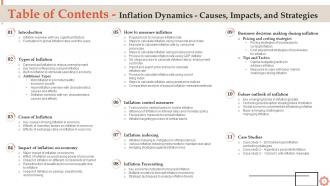
Slide 3: The slide displays Title of Contents for presentation.
Slide 4: The slide continues Table of Contents further.
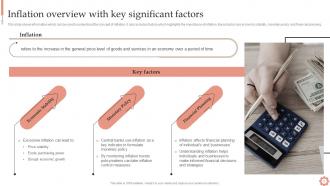
Slide 5: This slide shows information which can be used to understand the concept of inflation.
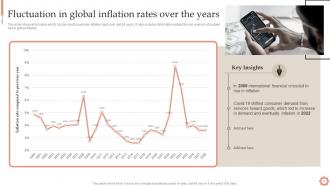
Slide 6: This slide continues information which can be used to evaluate inflation rates over last 20 years.
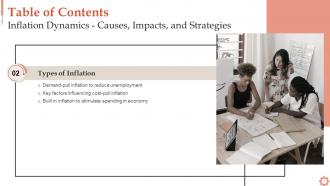
Slide 7: The slide displays Title of Contents further.
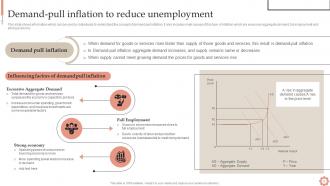
Slide 8: This slide highlights information which can be used by individuals to understand the concept of demand pull inflation.
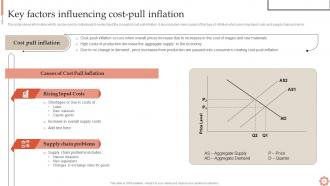
Slide 9: This slide continues information which can be used by individuals to understand the concept of cost pull inflation.
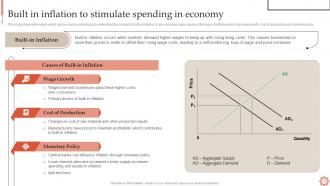
Slide 10: This slide showcases information which can be used by individuals to understand the concept of built-in inflation.
Slide 11: The slide renders Title of Contents further.
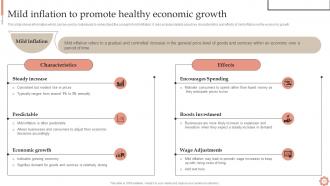
Slide 12: This slide provides information which can be used by individuals to understand the concept of mild inflation.
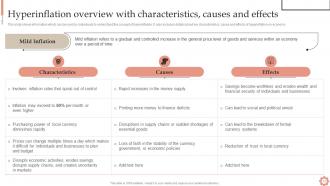
Slide 13: This slide highlights information which can be used by individuals to understand the concept of hyperinflation.
Slide 14: This slide continues information which can be used by individuals to understand the concept of hyperinflation.
Slide 15: The slide again displays Title of Contents.
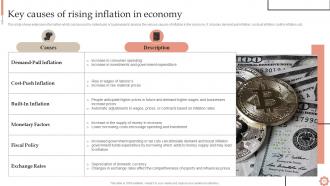
Slide 16: This slide shows extensive information which can be used by individuals or businesses to analyze the various causes of inflation in the economy.
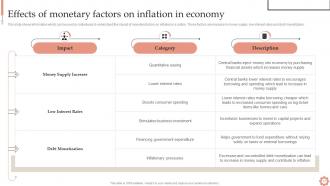
Slide 17: This slide illustrates information which can be used by individuals to understand the impact of monetary factors on inflation in a nation.
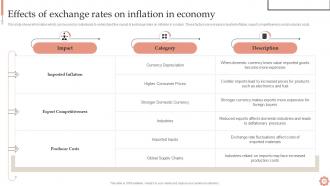
Slide 18: This slide continues information which can be used by individuals to understand the impact of exchange rates on inflation in a nation.
Slide 19: The slide depicts Title of Contents further.
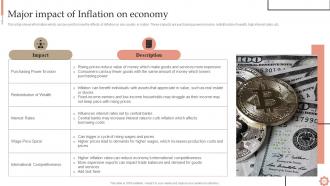
Slide 20: This slide shows information which can be used to know the effects of inflation on any country or nation.
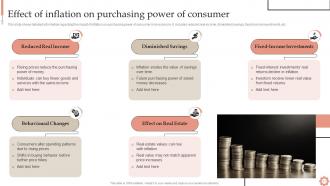
Slide 21: This slide highlights detailed information regarding the impact of inflation on purchasing power of consumer in an economy.
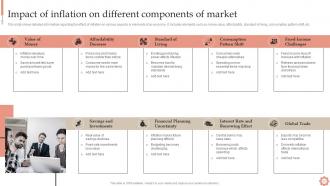
Slide 22: This slide shows detailed information regarding the effect of inflation on various aspects or elements of an economy.
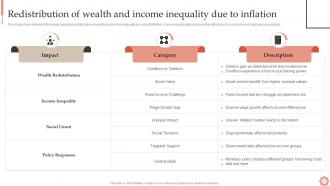
Slide 23: This slide displays detailed information regarding redistribution of wealth and income inequality as a result inflation.
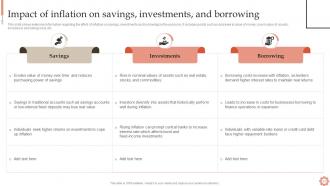
Slide 24: This slide shows extensive information regarding the effect of inflation on savings, investments and borrowings in the economy.
Slide 25: The slide presents Title of Contents which is to be discussed further.
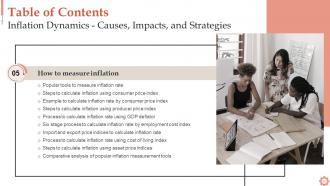
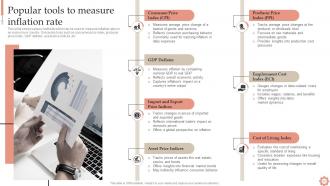
Slide 26: This slide shows various methods which can be used to measure inflation rates in an economy or country.
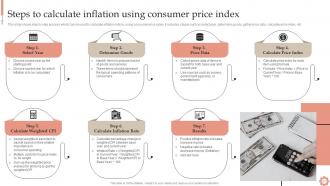
Slide 27: This slide demonstrates step by step process which can be used to calculate inflation rate by using consumer price index.
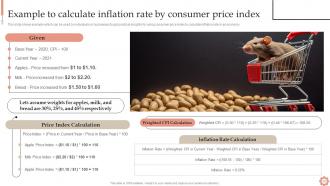
Slide 28: This slide shows example which can be used by individuals or businesses to get practical insights.
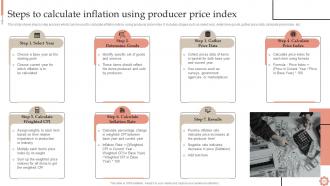
Slide 29: This slide highlights step by step process which can be used to calculate inflation rate by using producer price index.
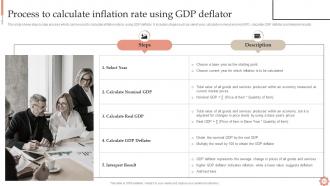
Slide 30: This slide displays step by step process which can be used to calculate inflation rate by using GDP deflator.
Slide 31: This slide renders step by step process which can be used to calculate inflation rate by using ECI.
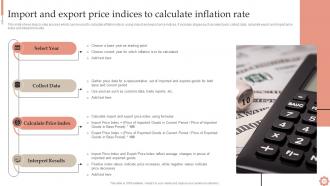
Slide 32: This slide shows step by step process which can be used to calculate inflation rate by using import and export price indices.
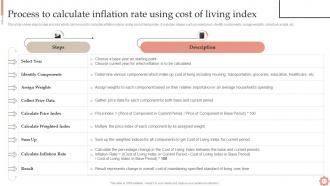
Slide 33: This slide shows step by step process which can be used to calculate inflation rate by using cost of living index.
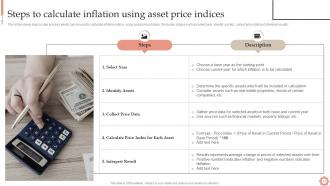
Slide 34: This slide continues step by step process which can be used to calculate inflation rate by using asset price indices.
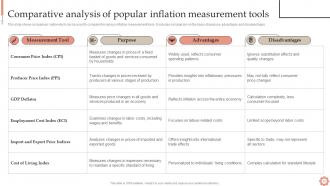
Slide 35: This slide shows comparison matrix which can be used to compare the various inflation measurement tools.
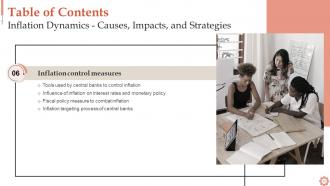
Slide 36: The slide illustrates Title of Contents further.
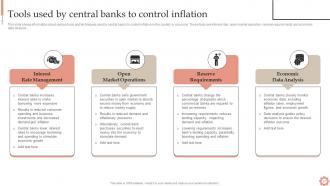
Slide 37: This slide shows information about various tools and techniques used by central banks to control inflation in the country or economy.
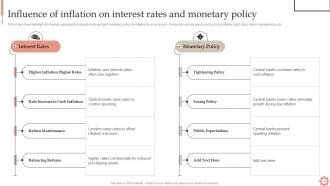
Slide 38: This slide represents detailed information regarding the impact of interest and monetary policy on inflation in an economy.
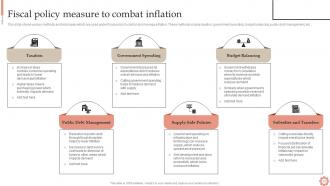
Slide 39: This slide shows various methods and techniques which are used under fiscal policy to control and manage inflation.
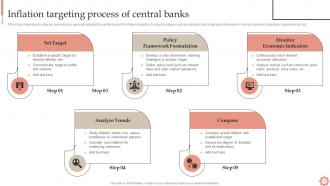
Slide 40: This slide presents step by step process which is generally adopted by central banks for inflation targeting.
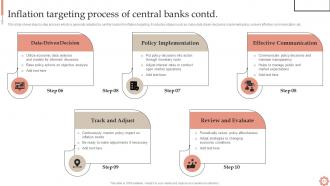
Slide 41: This slide continues step by step process which is generally adopted by central banks for inflation targeting.
Slide 42: The slide displays Title of Contents further.
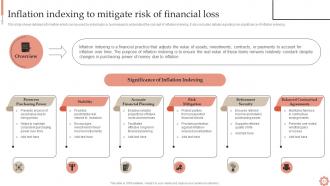
Slide 43: This slide shows detailed information which can be used by individuals or businesses to understand the concept of inflation indexing.
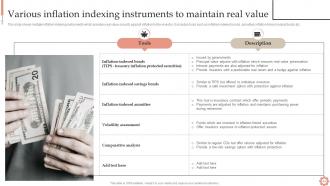
Slide 44: This slide shows multiple inflation indexing instruments which provides real value security against inflation to the investor.
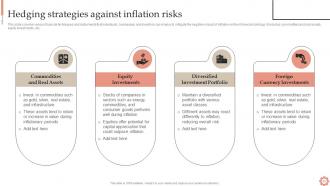
Slide 45: This slide involve various financial techniques and instruments that individuals, businesses, and investors can employ to mitigate the negative impact.
Slide 46: The slide depicts Title of Contents further.
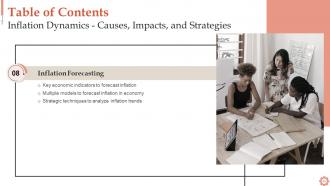
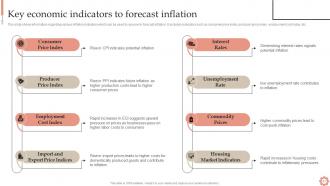
Slide 47: This slide shows information regarding various inflation indicators which can be used by anyone to forecast inflation.
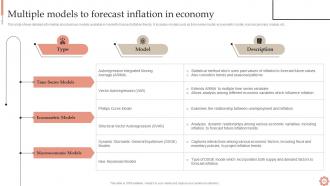
Slide 48: This slide shows detailed information about various models available in market to forecast inflation trends.
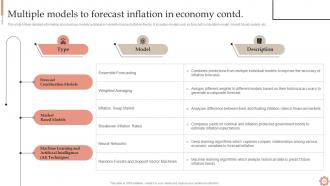
Slide 49: This slide continues detailed information about various models available in market to forecast inflation trends.
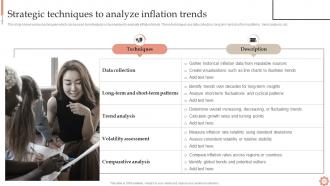
Slide 50: This slide shows various techniques which can be used by individuals or businesses to evaluate inflation trends.
Slide 51: The slide demonstrates Title of Contents which is to be discussed further.
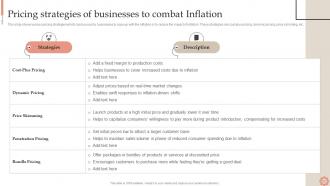
Slide 52: This slide shows various pricing strategies which can be used by businesses to cope up with the inflation or to reduce the impact of inflation.
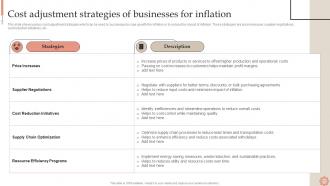
Slide 53: This slide highlights various cost adjustment strategies which can be used by businesses to cope up with the inflation or to reduce the impact of inflation.
Slide 54: The slide again renders Title of Contents.
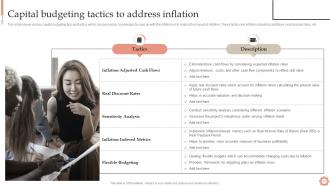
Slide 55: This slide demonstrates various capital budgeting tips and tactics which can be used by businesses.
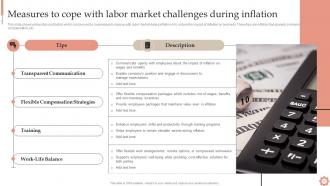
Slide 56: This slide shows various tips and tactics which can be used by businesses to cope up with labor market during inflation.
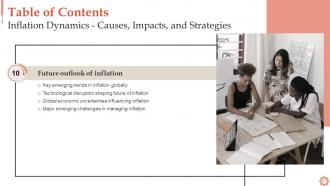
Slide 57: The slide describes Title of Contents further.
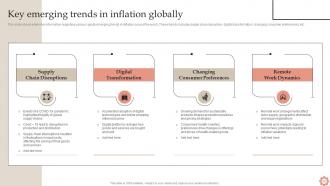
Slide 58: This slide shows extensive information regarding various rapidly emerging trends in inflation around the world.
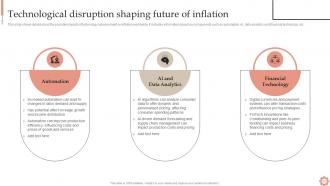
Slide 59: This slide shows details about the possible impacts of technology advancement on inflation worldwide.
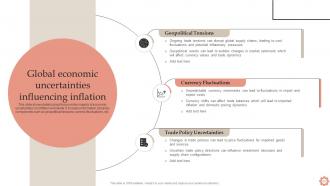
Slide 60: This slide continues details about the possible impacts of economic uncertainties on inflation worldwide.
Slide 61: This slide shows information which can be used to understand and address the key challenges of inflation management.
Slide 62: The slide represents another Title of Contents.
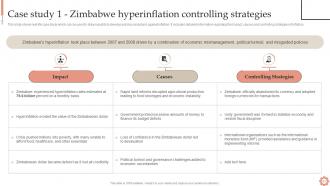
Slide 63: This slide shows real life case study which can be used to draw insights to develop policies and plans against inflation.
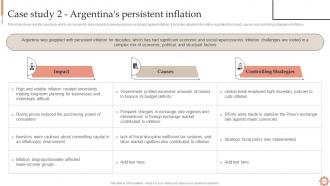
Slide 64: This slide continues real life case study which can be used to draw insights to develop policies and plans against inflation.
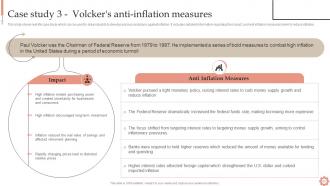
Slide 65: This slide again renders real life case study which can be used to draw insights to develop policies and plans against inflation.
Slide 66: This slide shows all the icons included in the presentation.
Slide 67: This slide is titled as Additional Slides for moving forward.
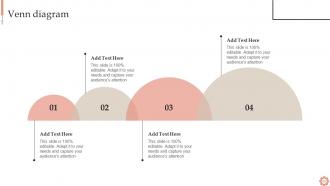
Slide 68: This slide depicts Venn diagram with text boxes.
Slide 69: This slide contains Puzzle with related icons and text.
Slide 70: This is Our Goal slide. State your firm's goals here.
Slide 71: This is a Timeline slide. Show data related to time intervals here.
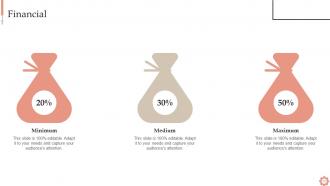
Slide 72: This is a Financial slide. Show your finance related stuff here.
Slide 73: This is a Thank You slide with address, contact numbers and email address.This is a Thank You slide with address, contact numbers and email address.
Inflation Dynamics Causes Impacts And Strategies Fin CD with all 81 slides:
Use our Inflation Dynamics Causes Impacts And Strategies Fin CD to effectively help you save your valuable time. They are readymade to fit into any presentation structure.













FAQs for Inflation Dynamics Causes Impacts And
Primary factors driving current inflation trends include supply chain disruptions, labor market tightness, expansionary monetary policies, energy price volatility, and increased consumer demand patterns. These dynamics create complex interactions across sectors like manufacturing, retail, and financial services, with many central banks finding that traditional policy tools require recalibration to address persistent inflationary pressures while maintaining economic growth.
Supply chain disruptions contribute to inflation by reducing product availability, increasing transportation costs, and creating production bottlenecks that drive up prices across multiple sectors. These disruptions force manufacturers and retailers to pass higher costs to consumers, while scarcity amplifies demand-supply imbalances, with many industries finding that even minor disruptions create cascading price effects throughout the economy.
Central banks manage inflation expectations by adjusting interest rates to signal policy intentions, influence borrowing costs, and anchor long-term price stability goals. Through forward guidance communications, rate adjustments, and consistent policy frameworks, institutions like the Federal Reserve and European Central Bank shape market perceptions, ultimately delivering credible inflation targeting that enhances economic predictability and investment confidence across sectors.
Inflation rates vary significantly across sectors due to different supply-demand dynamics, with food affected by weather and global commodity prices, energy influenced by geopolitical factors and seasonal demand, and housing impacted by interest rates and regional development policies. These sector-specific patterns enable businesses to strategically adjust pricing, procurement, and investment decisions, with many organizations finding that diversified portfolio approaches help minimize inflation's impact while maintaining competitive positioning.
Consumer confidence significantly influences inflationary pressures by affecting spending patterns, wage expectations, and price tolerance across economic sectors. When confidence is high, consumers increase purchases and accept higher prices, while businesses raise wages and prices anticipationally, with many economists finding that sustained confidence shifts can create self-reinforcing inflationary cycles that challenge monetary policy effectiveness.
Emerging markets typically experience higher, more volatile inflation due to currency fluctuations, commodity dependence, and less developed monetary frameworks, while developed nations maintain steadier, lower rates through established central banking systems. These differences create distinct investment opportunities and policy challenges, with emerging markets offering growth potential alongside inflation hedging, ultimately requiring different strategic approaches for businesses operating across these economic environments.
Fiscal policy significantly influences inflation dynamics through government spending levels, taxation policies, debt management strategies, and public investment decisions. Expansionary fiscal measures can stimulate demand and potentially increase inflationary pressures, while contractionary approaches help cool economic activity, with many central banks finding that coordinated fiscal-monetary policy delivers more stable price environments and sustainable economic growth.
Businesses can prepare for inflation by diversifying supply chains, implementing dynamic pricing strategies, hedging commodity costs, accelerating automation investments, and renegotiating contracts with inflation-adjustment clauses. These approaches enable organizations to maintain margins while minimizing cost pressures, with many companies finding that proactive inflation planning ultimately delivers competitive advantages and operational resilience.
Leading inflation indicators include producer price indices, wage growth rates, commodity prices, money supply measures, and consumer spending patterns. These economic metrics enable central banks and financial institutions to anticipate inflationary pressures by tracking cost increases, demand shifts, and monetary policy impacts, ultimately delivering more strategic investment decisions and risk management across sectors.
Inflation significantly impacts wage negotiations by creating pressure for cost-of-living adjustments, altering bargaining power between employers and employees, and affecting real purchasing power calculations. During inflationary periods, labor markets experience increased wage demands, strategic timing of contract renewals, and shifts in job mobility, with many organizations finding that proactive compensation strategies help retain talent while managing operational costs effectively.
Inflation significantly alters consumer spending patterns by reducing purchasing power, shifting demand toward essential goods, and encouraging accelerated purchases before price increases. These behavioral changes create complex economic feedback loops, with many retailers and financial institutions finding that understanding inflation-driven spending patterns enables better inventory management, pricing strategies, and ultimately delivers competitive advantage through adaptive market positioning.
Technology and innovation typically reduce inflation by streamlining production processes, automating labor-intensive tasks, and enhancing supply chain efficiency across manufacturing, logistics, and retail sectors. These advancements enable companies to lower operational costs, accelerate delivery times, and minimize resource waste, ultimately delivering more affordable goods and services while maintaining competitive advantage in increasingly cost-conscious markets.
Historical case studies of persistent inflation include Germany's Weimar hyperinflation (1921-1923), the US stagflation period (1970s), Zimbabwe's currency collapse (2000s), and Brazil's chronic inflation (1980s-1990s). These episodes demonstrate how monetary policy missteps, supply shocks, and wage-price spirals create lasting inflationary pressures, with many economists finding that early intervention and credible policy frameworks ultimately deliver more stable outcomes.
Geopolitical factors significantly influence global inflation through supply chain disruptions, energy price volatility, commodity market instability, and trade route interruptions. Events like conflicts, sanctions, and diplomatic tensions create uncertainty that drives up costs for essential goods, with industries like manufacturing, transportation, and energy finding that diversified supply chains and strategic partnerships help mitigate inflationary pressures while maintaining operational efficiency.
Central banks utilize consumer price indexes, personal consumption expenditure deflators, trimmed mean measures, weighted median calculations, and sectoral price decomposition models to distinguish core from headline inflation. These frameworks enable policymakers to filter temporary price volatility, identify underlying inflationary pressures, and make informed monetary decisions, with institutions like the Federal Reserve finding that multiple measurement approaches deliver more accurate economic assessments.
-
Kudos to SlideTeam for achieving the high success rate in delivering the top-notch slides.
-
Easily Editable.
-
I am glad to have come across Slideteam. I was searching for some unique presentations and templates for my business. There are a lot of alternatives available here.
-
“Excellent information with easy access.”