


Internal Audits powerpoint presentation and google slides ICP




Try Before you Buy Download Free Sample Product
 Impress Your
 Audience
 100%
100% Editable
 Save Hours
 of Time


Transform your presentation into a visual masterpiece with our customizable Icon PowerPoint template, provided in editable PPTx and customizable PNG formats. This deck is 100 percentage editable, offering you the flexibility to customize it for effective message delivery. You also retain full ownership of the images, allowing you to use them as you see fit, all within the user friendly PowerPoint environment.
People who downloaded this PowerPoint presentation also viewed the following :
Internal Audits powerpoint presentation and google slides ICP with all 21 slides:
Use our Internal Audits powerpoint presentation and google slides ICP to effectively help you save your valuable time. They are readymade to fit into any presentation structure.









FAQs for Internal Audits powerpoint presentation and
So basically, internal audits are like doing a health check on your company's processes - way less intimidating than it sounds! You're checking if your controls and risk management are actually doing their job. Spot problems early before they blow up into something worse. Plus you'll catch compliance issues and see where operations could run smoother. Honestly, the best part is finding ways to improve things, not just ticking boxes. My old boss used to say audits should make you stronger, not just cover your ass legally. Use whatever you find to actually fix stuff instead of filing it away somewhere.
So internal audits are like getting a checkup before you're actually sick, you know? They go through all your processes and controls to catch weak spots early. Way better than waiting for something to explode later. The auditors basically map out where you could get hit with fraud, operational screwups, or compliance issues - then they hand you a plan to fix it. Honestly, the whole thing's only worth it if you actually follow through on what they find. I've seen too many companies just file the report away and wonder why problems keep happening.
So you need four main things: risk assessment to find your trouble spots, clear objectives for each audit, realistic timelines (seriously, add buffer time - these always run long), and solid reporting procedures. Most people mess up by being way too ambitious upfront. Get stakeholder input while you're planning, not after. Map out your key processes first, then prioritize by impact and likelihood. Oh, and don't forget follow-up procedures to actually track if people fix the issues you find. That last part's where things usually fall apart.
Honestly, tech can totally change your audit game. Data analytics lets you test everything instead of just samples - catches so much more stuff. Audit software keeps your team on the same page without those annoying email threads about who's doing what. AI flags weird transactions you'd probably miss otherwise. Digital workpapers are a lifesaver too, way cleaner than the old paper mess. Oh, and start with just one tool that fixes your biggest headache right now. Don't go crazy trying to implement everything at once - you'll just stress yourself out.
Look for people with solid analytical skills and accounting/finance degrees first. CPA or CIA certifications are definitely worth extra points. But here's the thing - I've watched super smart auditors totally bomb because they can't explain stuff clearly to management. Communication is huge. You also want someone who gets data analytics and risk assessment, plus knows your industry's regulations. The good ones are naturally curious and catch details but don't lose sight of the bigger picture. Oh, and they need to handle stakeholder meetings without making everyone hate audit season. Start with the analytical foundation though.
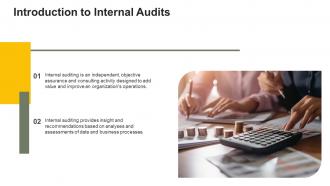
So internal auditing is like having a watchdog that checks if your company's actually doing what it says it does. They look at governance, risk management, all that stuff - but in an independent way. These auditors report straight to the board, so they're not kissing up to anyone. Honestly, they're not trying to get people in trouble either. More like helping spot problems before they blow up. Oh, and those audit reports everyone ignores? Actually worth reading - they usually nail the exact issues you've been feeling but couldn't put your finger on.
Honestly, the biggest thing is making sure your auditors report straight to the audit committee, not the managers they're supposed to be checking on. That's just asking for trouble. Rotate them around different departments so nobody gets too comfortable - I've seen what happens when auditors become buddies with the people they audit, and it's not pretty. Also throw in a rule where they can't audit areas they used to work in for at least a year. Set up formal independence standards and actually stick to them. Start by looking at your current setup for any obvious red flags.
Honestly, the biggest pain points are usually budget issues, people getting weird when you audit their department, and regulations that change constantly. Nobody wants auditors around - we're basically the dentist of the business world lol. But you can totally work around this stuff. Build relationships before you need them, show people how you actually help instead of just nitpicking. Be collaborative, not the compliance police. Oh and always explain WHY you're recommending something, don't just point out problems. That's what gets people on your side instead of rolling their eyes when you walk in.
Look at implementation rates first - how many of your recommendations actually get acted on. That's the real test. Are you catching problems before they blow up? Good. Survey stakeholders quarterly too, see if they think your work's actually useful. Honestly, way too many audit teams just obsess over hitting deadlines and checking boxes. Wrong focus entirely. The better question: is your organization actually stronger because of what you're doing? Mix hard numbers with the softer stuff - like whether leadership trusts your risk assessments when making big calls.
So basically, internal audits are your own people checking how things work and spotting ways to improve stuff. External ones? That's outside firms coming in to verify your financials and make sure you're following rules. Internal is more like "what can we fix?" while external is "prove you're not lying about your numbers." Your internal team can audit whatever, whenever - expense reports, IT security, you name it. External audits happen once a year and honestly, they're a pain with all the paperwork they want. Public companies have to do them though. Pro tip: run internal audits first so you don't look stupid when the external auditors show up.
Honestly, think of internal audits like getting your car inspected - you'll find stuff that's been slowing you down without you even knowing it. Manual tasks that should be automated, approvals sitting in someone's inbox for weeks. Sure, compliance matters, but the real gold is spotting where your workflows are just... clunky. Don't take the findings personally though. Start with the easy fixes first - builds momentum and makes everyone feel better about tackling the bigger messes later.
Honestly, good stakeholder communication can make or break your whole audit. People absolutely hate getting blindsided by findings, so keep them in the loop throughout. Regular updates build trust and make everyone way more cooperative during fieldwork - which trust me, you'll appreciate. Early heads-ups about potential issues give management time to start brainstorming fixes before you even wrap up. Brief status emails work great. I'd set up some kind of communication plan from day one and actually stick to it. Even simple check-ins help maintain those relationships, and you don't want to burn bridges over something so preventable.
Most companies do annual audits as a baseline. But honestly? It's all about your risk level. Banking and healthcare get audited way more - sometimes quarterly for their riskiest stuff. Low-risk areas can probably wait 2-3 years between reviews. Look at things like past problems, regulatory changes, and how complex your business is. Also, don't forget your budget constraints. My take is start with yearly audits, then adjust once you see what pops up. Better to over-audit initially than miss something that bites you later.
Dude, data analytics is a total game-changer for internal audits. You can actually look at ALL the data instead of just grabbing random samples - which honestly should've been obvious sooner but whatever. It'll catch fraud patterns and control issues you'd never spot manually. Plus you can monitor stuff continuously and predict problems before they blow up. The trick is starting simple though. Find one process with decent data quality and just mess around with it first. Don't try to revolutionize everything at once or you'll get overwhelmed. Focus your testing on the sketchy stuff and watch how much clearer everything becomes.
Look, internal audits basically show you what's *really* happening vs what your leadership team thinks is going on. You'll catch operational gaps and compliance issues before they blow up your strategic plans. They also tell you if your current systems can actually handle growth - which honestly, most can't. The data helps you make smarter decisions instead of just winging it. Plus audits usually find money-saving opportunities nobody thought about. I'd use the findings to reality-check your assumptions early. Way better than discovering problems after you've already spent the budget.
-
Excellent work done on template design and graphics.
-
I am extremely pleased with these PPT slides that we used for our event. They were easy to modify and came out great in all aspects!