


Management Buyout MBO As Exit Option Powerpoint Presentation Slides




Try Before you Buy Download Free Sample Product
 Impress Your
 Audience
 100%
100% Editable
 Save Hours
 of Time


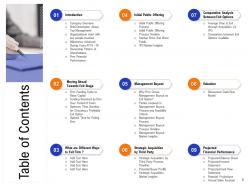
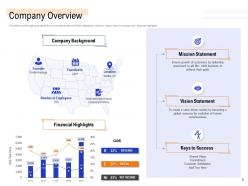
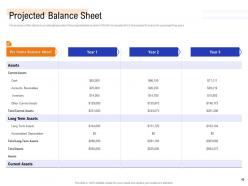
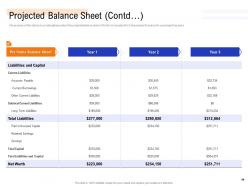
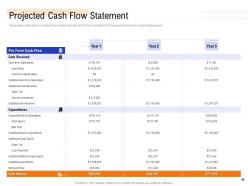
Explain the benefits of management buyout as an exit strategy for both the buyer and seller by employing this business strategy PowerPoint Presentation Slides. Showcase your company’s background, vision, and mission along with the financial highlights through these company acquisition PPT templates. Exhibit the entire organizational structure, including the top management and team members, via this corporate finance transaction PPT slideshow. Create a roadmap displaying the milestones achieved and expected to attain by taking the aid of this business buyout PPT presentation. Illustrate the ownership pattern of shareholders using these leveraged buyout PPT layouts. You can utilize these invigorating PPT designs to display the current value of the company. Build confidence of the potential buyer by highlighting your balance sheet and cash flow projections with the help of these asset acquisition PowerPoint slides. Click the download button and put forward your objectives and aims in a well-organized format with this organizational revival PowerPoint deck. Distinctive additional slides provided at the end offer you the opportunity to create a winning presentation.
People who downloaded this PowerPoint presentation also viewed the following :
Management Buyout MBO As Exit Option Powerpoint Presentation Slides with all 59 slides:
Use our Management Buyout MBO As Exit Option Powerpoint Presentation Slides to effectively help you save your valuable time. They are readymade to fit into any presentation structure.































FAQs for Management Buyout MBO As Exit Option
Honestly, the biggest win is continuity - your management team already knows the business backwards and forwards. They've got all the customer relationships locked down, know the suppliers, understand the culture. Way less disruption when you hand things over. Plus these guys are gonna be super motivated now that they actually own the thing, you know? Decision-making gets faster too since there's zero learning curve. The tricky part is they'll probably need help with financing, but I'd rather back experienced operators than roll the dice on outsiders. If your management team's solid, it's usually the smart play.
So basically, MBOs are when your current management team buys the company instead of selling to outsiders. Way less messy honestly. Your existing leaders already know the business, the staff, all the weird quirks - no learning curve needed. It's like if your tenants decided to buy your rental house vs selling to random strangers who might renovate everything. The cool part? You won't deal with new owners coming in and changing everything overnight. Staff usually stick around since they know their bosses aren't going anywhere. Makes the whole transition smoother.
Banks will usually cover like 60-70% with senior debt. Then you stack mezzanine financing on top for another 10-20%. Management needs to put in equity too - maybe 5-15% of the deal, though PE firms often help with that part. If your company has good assets, asset-based lending works well. The whole thing's basically a puzzle you're piecing together. Oh, and definitely get an investment banker who knows this stuff - they'll figure out what mix actually makes sense for your cash flows. Don't try to wing the structure yourself.
Okay so valuation is huge here - basically determines if you're making a smart move or about to massively overpay for your own company. You'll need solid numbers to structure something fair for everyone involved. Mess this up and either you're leaving cash behind or (way worse) you'll be drowning in debt you can't handle. Trust me on that one. The valuation becomes your benchmark for measuring if the deal actually worked out later, plus lenders want to see it makes sense. Oh and definitely get multiple independent valuations - don't just go with one. Really dig into those assumptions before signing anything.
Look, you've got to crush three things before you even think about making your pitch. Get your numbers bulletproof first - projections, realistic valuations, the whole funding plan locked down. Build a management team that actually knows what they're doing and shows they'll stick around. Then create a vision that proves you can grow this thing way better than whoever's running it now. The due diligence prep is honestly brutal, but you need it. Don't cheap out on advisors either - find people who've actually done MBOs before. Oh, and start building your track record documentation like, yesterday.
Man, MBOs are risky as hell. First off, you'll probably be drowning in debt from the buyout financing - if sales drop even a little, your cash flow gets murdered. Plus you're basically betting everything on one company since you're running it AND own it now. When the market tanks (and it will), being loaded up with debt is brutal. The stress alone can kill you, honestly. Oh and good luck dealing with your new investor buddies breathing down your neck while you're trying to actually run the business day-to-day. My advice? Run some nightmare scenarios on your numbers first and have backup plans ready.
Dude, company culture is everything for an MBO. Does your management team actually get along or just fake it in meetings? That's what'll make or break this thing. When leadership already collaborates well and trusts each other, negotiations go way smoother. You're not fighting over every detail or second-guessing motives. But if there's backstabbing and office politics? Forget it. Getting everyone on the same page becomes impossible. Honestly, I've seen deals fall apart because the "unified" management team was anything but. Take a hard look at your group dynamics first - like really look, not just the surface stuff. Can you guys handle the stress of a buyout together?
Honestly, the legal stuff gets messy fast with MBOs. Fiduciary duties are your biggest headache - you can't just screw over other shareholders when you're wearing both the buyer and manager hats. Board approvals, due diligence docs, securities compliance if you go public later... it all stacks up. Employment law changes everything too since ownership's flipping completely. Oh, and check your debt agreements - some have clauses that hate ownership changes. Seriously though, call your lawyer on day one. I've seen people try to handle this stuff later and it becomes a nightmare. These issues snowball way faster than you'd think.
Dude, get good advisors - seriously. Investment bankers will find your funding and deal with all the regulatory mess. You'll need lawyers who actually know MBO contracts because one missed clause can screw you over completely. Accountants handle the due diligence stuff and figure out tax angles. Look, I know it seems expensive upfront, but trying to DIY this is insane. These deals are way too complex. My cousin tried to cut corners on legal fees once... yeah, that didn't end well. Budget for quality help from day one - trust me on this.
Cash flow gets brutal fast with all that debt to service. Key people who weren't in on the deal? They'll probably bail. Decision-making becomes this weird thing where you don't have your parent company's resources anymore but still need to figure everything out. The reporting requirements to lenders are insane - like, way more paperwork than you'd expect. Going from employee to owner messes with your head too, especially when liability becomes your problem. Operations plus managing all these new relationships will stretch you thin. Honestly, hash this stuff out during due diligence or you'll hate life later.
Look, smaller companies crush it way more with MBOs than the big guys. Getting financing for a $10-50M business? Totally doable. But a billion-dollar company? Good luck with that debt mountain. Management teams at smaller places actually know every corner of their business, which banks eat up. Big corporations are honestly just chaos - too many people, too many divisions, everything's complicated. I mean, I get why people think bigger is better, but mid-market is where it's at. You can actually wrap your head around the whole operation and secure realistic financing.
Start with EBITDA margins, free cash flow, and debt-to-equity ratios - those are your main ones. Cash flow matters most since you're probably borrowing a ton for the buyout. Check out their market position too, plus how concentrated their customer base is. Management team's track record? Super important - lenders will grill you on that stuff. The business model needs to actually make sense long-term, obviously. Oh, and definitely build some kind of simple dashboard tracking all this. Run different scenarios through it before you even talk to banks. Trust me, they'll ask about everything anyway so you might as well be ready.
Honestly, MBOs are usually pretty good for morale. Your bosses suddenly have actual skin in the game instead of just running someone else's company. People get way more engaged because management's thinking long-term, not just chasing quarterly numbers for some random shareholders. The whole vibe becomes more collaborative and entrepreneurial - though yeah, there's definitely some "wait, am I getting fired?" anxiety at first. Communication is huge during this transition. Leadership really needs to be upfront about where they're headed and how you fit in. I'd watch how they handle that part closely since it tells you a lot about what's coming.
Honestly, the equity split is where things get tricky - I'd do 10-30% for management and the rest for your financial backers. Tie management's equity to hitting actual performance targets, not just showing up every day. Performance ratchets are clutch here too. Your lenders just want to see they'll get paid back, so be conservative with those cash flow numbers (even if management thinks you're being pessimistic). Oh and definitely set up regular board meetings - keeps everyone honest. The whole thing only works if people can't hide behind vague updates. When everyone's got real skin in the game and knows what's happening, you won't have people pulling in different directions.
Look, the MBOs that work have three things going for them: manageable debt, solid management teams, and businesses that actually generate cash. Most of the disasters? Too much debt or buying into dying industries. Here's the thing - you've got to be ruthlessly honest about whether your company (and you) can actually pull this off. Don't get all sentimental just because you built it. Oh, and the smart ones always line up good advisors early and schmooze with lenders way before they need the money. Start working those relationships now, even if this feels like a pipe dream.
-
Attractive design and informative presentation.