


Market distribution leader human resources capital todo list cpb




Try Before you Buy Download Free Sample Product
 Impress Your
 Audience
 100%
100% Editable
 Save Hours
 of Time


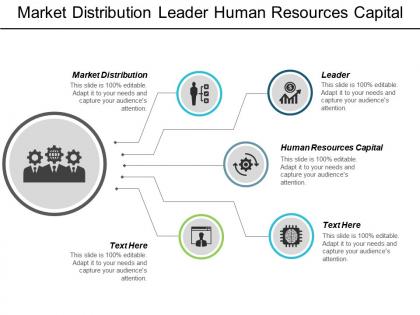
Bounce back firmly with our Market Distribution Leader Human Resources Capital Todo List Cpb. Your graph will definitely ascend again.
People who downloaded this PowerPoint presentation also viewed the following :
Market distribution leader human resources capital todo list cpb with all 5 slides:
Give folks assurance of huge gains with our Market Distribution Leader Human Resources Capital Todo List Cpb. It will attract investors.




FAQs for Market distribution leader human resources capital
Key factors include extensive distribution networks, strategic partnerships with retailers and suppliers, advanced logistics infrastructure, strong brand recognition, and efficient supply chain management. Companies like Walmart and Amazon achieve this status by leveraging technology for inventory optimization, maintaining competitive pricing strategies, and delivering superior customer experiences, ultimately creating significant competitive advantages in increasingly complex markets.
Supply chain optimization enhances market distribution leadership by streamlining logistics, reducing operational costs, improving delivery speed, and ensuring consistent product availability across all channels. Through advanced analytics and automation, distribution leaders minimize inventory holding costs, accelerate order fulfillment, and deliver superior customer experiences, ultimately gaining competitive advantage in increasingly demanding markets.
Businesses should track market penetration rates, channel performance metrics, inventory turnover ratios, cost per acquisition, and customer satisfaction scores across distribution networks. These measurements enable organizations to optimize resource allocation, identify high-performing channels, and streamline operations, with many companies finding that comprehensive tracking ultimately delivers improved market reach and competitive advantage.
Technological advancements enable market distribution leaders to streamline operations, enhance customer experiences, and optimize supply chain management through automation, data analytics, and digital platforms. These technologies revolutionize traditional distribution models by reducing costs, accelerating delivery times, and improving inventory management, with many leaders finding that strategic technology adoption delivers significant competitive advantages in increasingly complex markets.
Companies striving to become market distribution leaders face challenges including supply chain complexity, inventory management inefficiencies, technological integration barriers, competitive pricing pressures, and regulatory compliance requirements. These obstacles can significantly impact operational costs and customer satisfaction, with many organizations finding that strategic investments in automation, data analytics, and partnership networks ultimately deliver streamlined operations and sustainable competitive advantage.
Companies leverage data analytics to enhance distribution strategies by analyzing customer behavior patterns, optimizing supply chain routes, identifying high-performing channels, predicting demand fluctuations, and measuring distributor performance across regions. Through predictive modeling and real-time dashboards, organizations streamline inventory management, reduce distribution costs, and improve market penetration, with many retail and manufacturing companies finding that data-driven insights ultimately deliver faster market response times and competitive advantage.
Customer feedback serves as a critical driver for distribution optimization, enabling market leaders to refine logistics networks, adjust delivery timelines, improve packaging methods, and enhance service quality. Through systematic feedback analysis, companies like Amazon and FedEx continuously streamline their distribution practices by identifying bottlenecks, personalizing delivery options, and ultimately delivering superior customer experiences that reinforce their competitive advantage.
Market distribution leaders adapt by leveraging real-time analytics, diversifying channel strategies, implementing flexible supply chains, and investing in digital transformation initiatives. Through data-driven insights and agile operations, companies like Amazon and Walmart continuously optimize their distribution networks, enhance customer experiences, and streamline logistics processes, ultimately delivering faster services and maintaining competitive advantage in increasingly dynamic markets.
Successful market distribution leaders employ relationship-building strategies including personalized support programs, collaborative inventory management, joint promotional campaigns, transparent communication channels, and performance-based incentive structures. Through dedicated account management and data-sharing platforms, leaders in sectors like consumer goods and electronics enhance retailer profitability, streamline supply chains, and deliver mutual growth, ultimately creating strategic partnerships that drive competitive advantage.
Geographic reach significantly influences market distribution leadership by enabling broader customer access, reducing logistics costs through localized distribution networks, and facilitating faster market penetration across diverse regions. Companies with extensive geographic presence can leverage economies of scale, respond more quickly to regional market demands, and establish competitive barriers, with many industry leaders finding that strategic geographic expansion ultimately delivers enhanced market share and operational efficiency.
Emerging companies can learn strategic channel diversification, customer relationship management, supply chain optimization, and brand positioning consistency from established distribution leaders. While many retail giants and consumer goods companies demonstrate how strategic partnerships, data-driven decision making, and scalable logistics systems drive market penetration, emerging firms must balance aggressive growth with sustainable operational practices, ultimately delivering competitive advantage through efficient resource allocation.
Sustainability has become increasingly critical for market distribution leaders, driving strategic decisions around packaging, transportation, warehousing, and supply chain optimization to reduce environmental impact while controlling costs. Leading players in retail, manufacturing, and logistics find that sustainable distribution practices enhance brand reputation, meet regulatory requirements, and deliver competitive advantages through operational efficiency and customer loyalty.
Regulatory changes significantly impact market distribution leadership by reshaping compliance requirements, operational frameworks, and competitive dynamics across industries. Financial services leaders must adapt to evolving data protection standards, healthcare distributors navigate updated safety protocols, and retail giants adjust to changing consumer protection laws, with many organizations finding that proactive regulatory adaptation creates sustainable competitive advantages and enhanced market positioning.
Market distribution leaders have adopted omnichannel integration, AI-powered demand forecasting, blockchain supply chain transparency, sustainable logistics networks, and direct-to-consumer digital platforms. These approaches streamline operations by reducing inventory costs, enhancing customer experiences, and improving delivery speed, with many retail and manufacturing organizations finding that strategic technology combinations deliver significant competitive advantages in increasingly complex markets.
Collaborations and partnerships enhance distribution capabilities by expanding geographic reach, sharing logistics infrastructure, leveraging partner networks, accessing new customer segments, and reducing operational costs. Through strategic alliances, companies streamline market entry, accelerate delivery times, and minimize capital investment in warehousing, with many organizations finding that partnerships ultimately deliver competitive advantage and enhanced market penetration.
No Reviews